Sauvignac PIWI

Crossing
Sauvignon Blanc x Riesling x resistant breeding parents
Synonyms: VB CAL 6-04
Origin
Sauvignac is a fungus-resistant white grape variety from Switzerland, bred in 1991 by vine breeder Valentin Blattner in Soyhières in the Canton of Jura. The variety originated from a cross of Sauvignon Blanc, Riesling, and as-yet unidentified resistant breeding parents. It is recorded under the breeding number VB CAL 6-04. The variety is characterised by very good resistance to powdery and downy mildew.
Characteristics
- mid budburst
- mid ripening
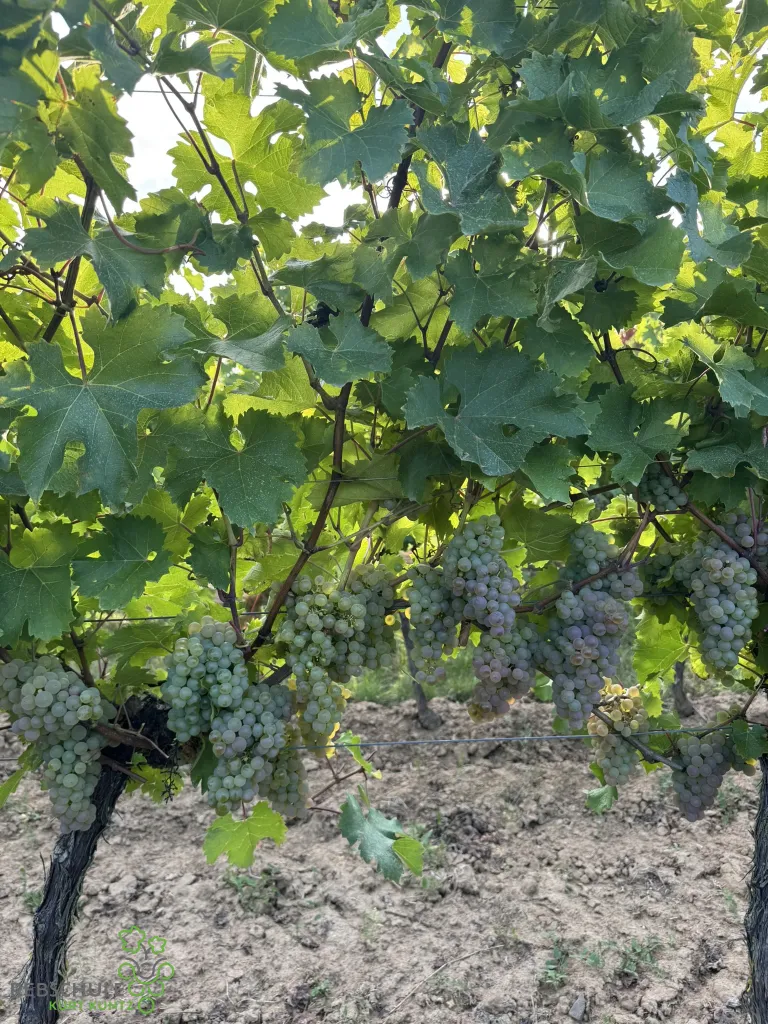
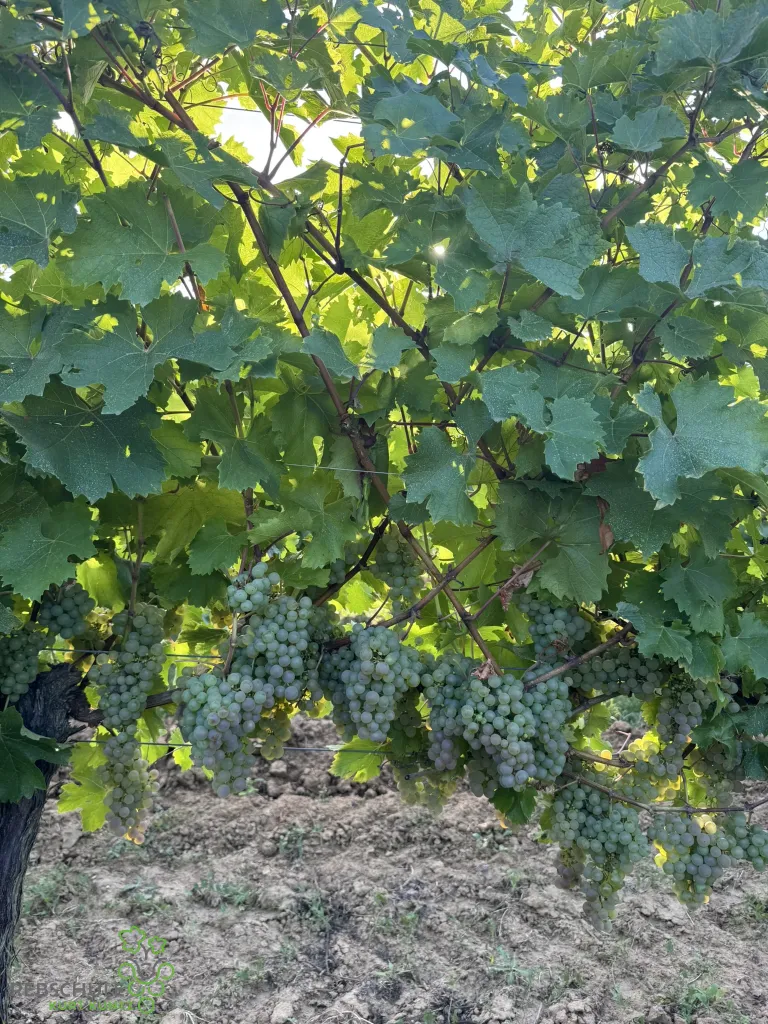
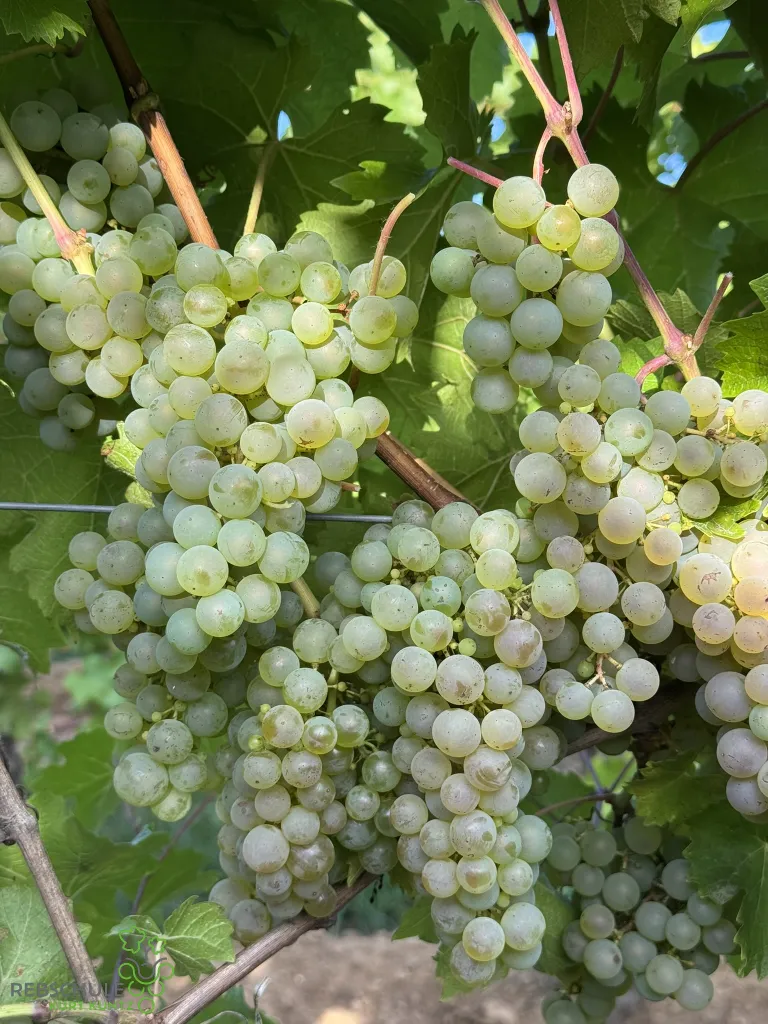
- loose bunch structure
- thick berry skin
- moderate vigour
- good wood maturation and winter frost hardiness
Site requirements
Sauvignac places low to moderate demands on the vineyard site and grows across a wide range of soils. More vigorous rootstocks are recommended.
Aromas
Sauvignac produces aromatic wines with a long-lasting acidity. The aromatic spectrum ranges from fresh citrus notes, green apple, and gooseberry through to ripe yellow fruits such as apricot and peach. Depending on ripeness level and maturation, exotic fruit aromas and notes of blackcurrant can also emerge. The aromatic profile combines the typical characteristics of Sauvignon Blanc and Riesling and sits stylistically between the two varieties.
Bunch
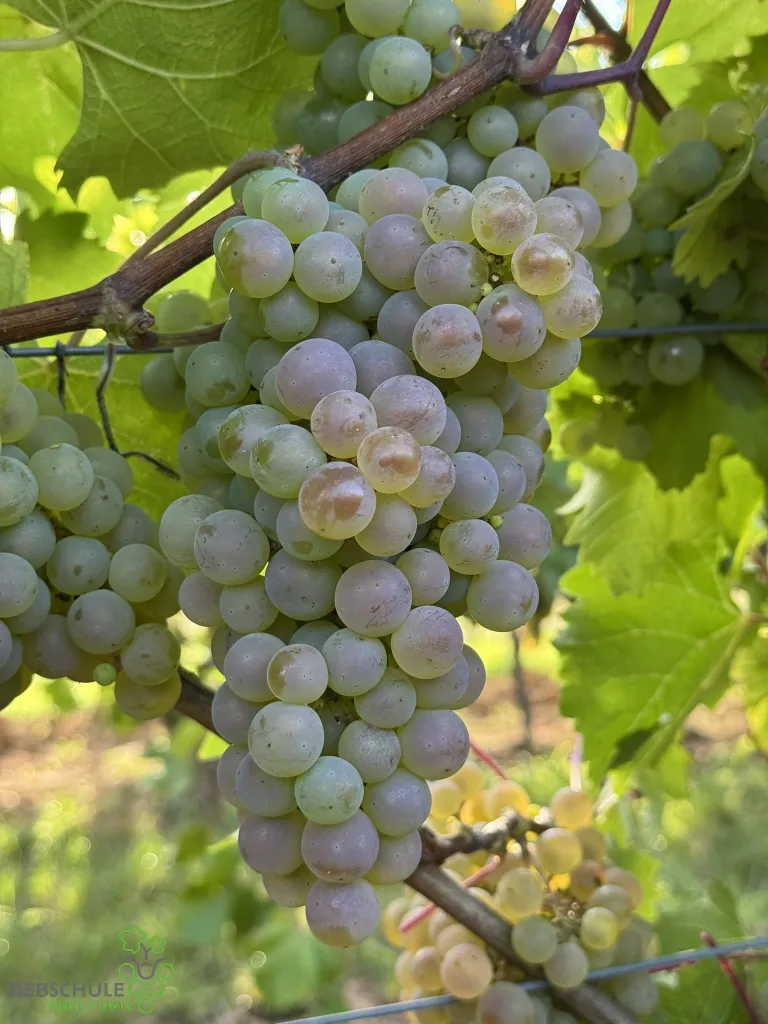
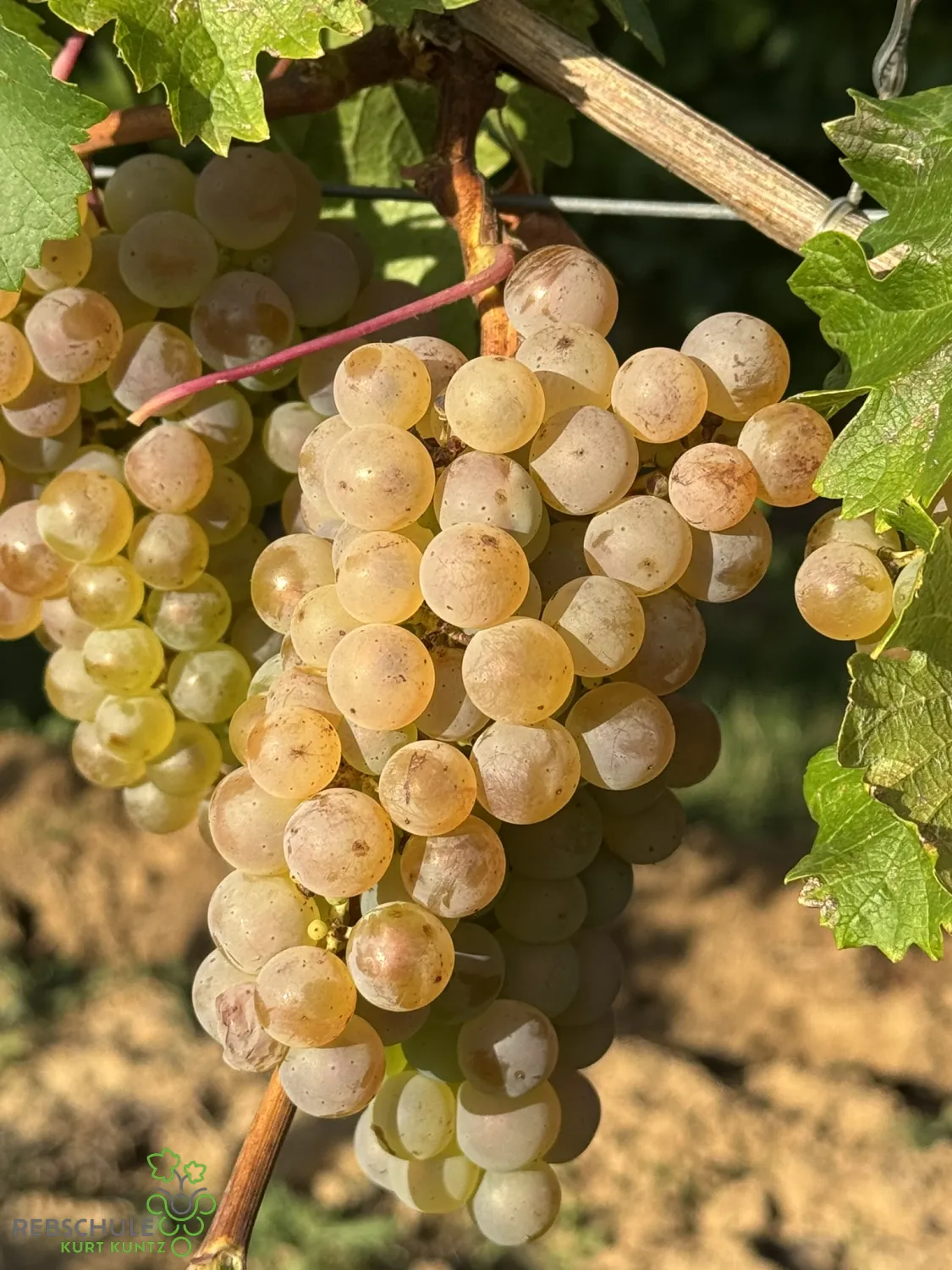
Sauvignac forms loose bunches with medium-sized berries and a thick berry skin, which contributes to its high resistance to botrytis. A characteristic feature of full ripeness is the increasing pink colouration of the berries.
Disease resistance
- Downy mildew (Plasmopara viticola)3/4Resistance loci: Rpv3.1, Rpv12
- Powdery mildew (Oidium)3/4Resistance loci: Ren3, Ren9
- Botrytis3/4
To counteract the development of resistant fungal strains and safeguard the cultivar's resistance over the long term, three targeted plant protection treatments are recommended. Optimal treatment windows occur primarily around flowering, adjusted according to weather conditions and prevailing disease pressure.
Links/Downloads
Sauvignac PIWI clones

Sauvignac PIWI VFN 604
Yield mediumBunches loose-clusteredBotrytis susceptibility low