Vine development
January to March
Scions and rootstocks are delivered on an ongoing basis, cut to size, disinfected and stored in the cold store until grafting.
During grafting, the desired scion–rootstock combinations are joined using an omega cut.
The graft unions are then dipped in paraffin wax, and the vines are packed with peat in callusing boxes and watered. Finally, the surface is covered with perlite to keep the moisture in the box and reduce evaporation.


April to May
Callusing: Packed in wooden boxes, the vines are forced in our hall at a room temperature of approx. 32 °C for 10–13 days. This phase specifically promotes callus formation: the wound tissue at the cut surfaces of scion and rootstock grows together and forms the first connection, through which the vascular pathways for water and nutrients later develop.
Planting out in the field: After callusing, the vines are unpacked, dipped in paraffin wax again and planted in specially prepared foil-covered ridges. To create optimal growing conditions, the soil is loosened, tilled and fertilised beforehand. Drip irrigation ensures an ideal water supply for the vines. Regular watering is crucial, especially in the first weeks after planting.


June to October
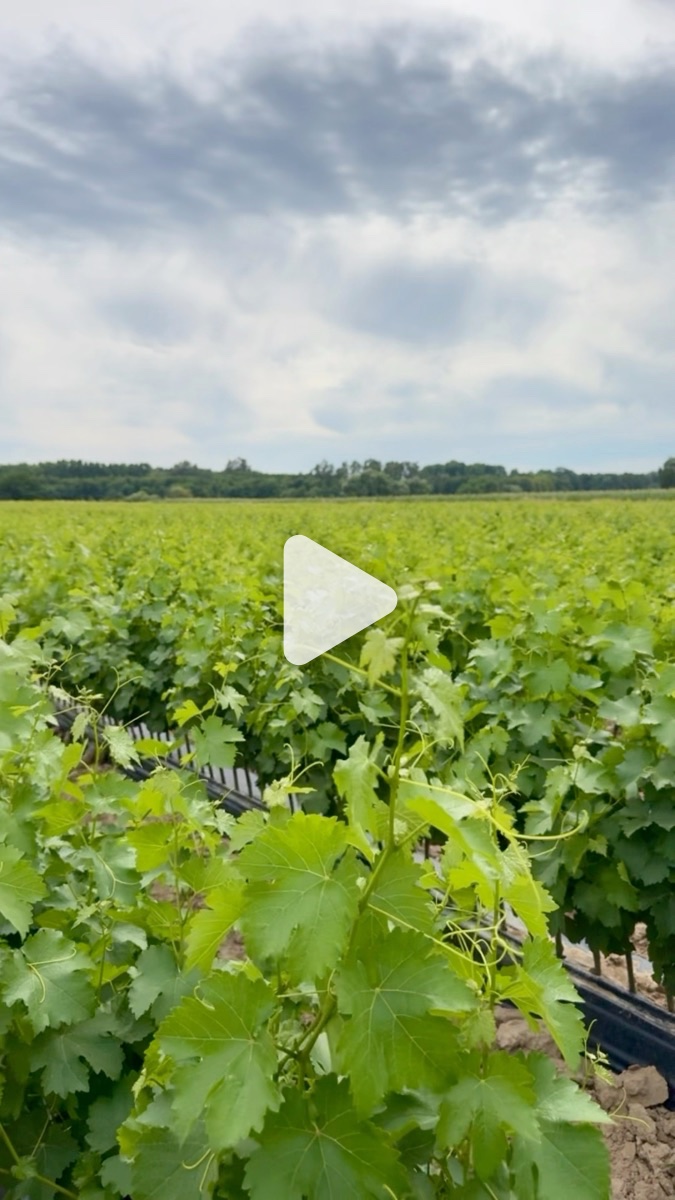
Vegetative growth phase: After planting in the field, budding takes place in the summer.
The vines develop strong roots, shoots and leaves. Regular care includes irrigation, fertilisation, plant protection, leaf trimming and soil loosening.




November to December
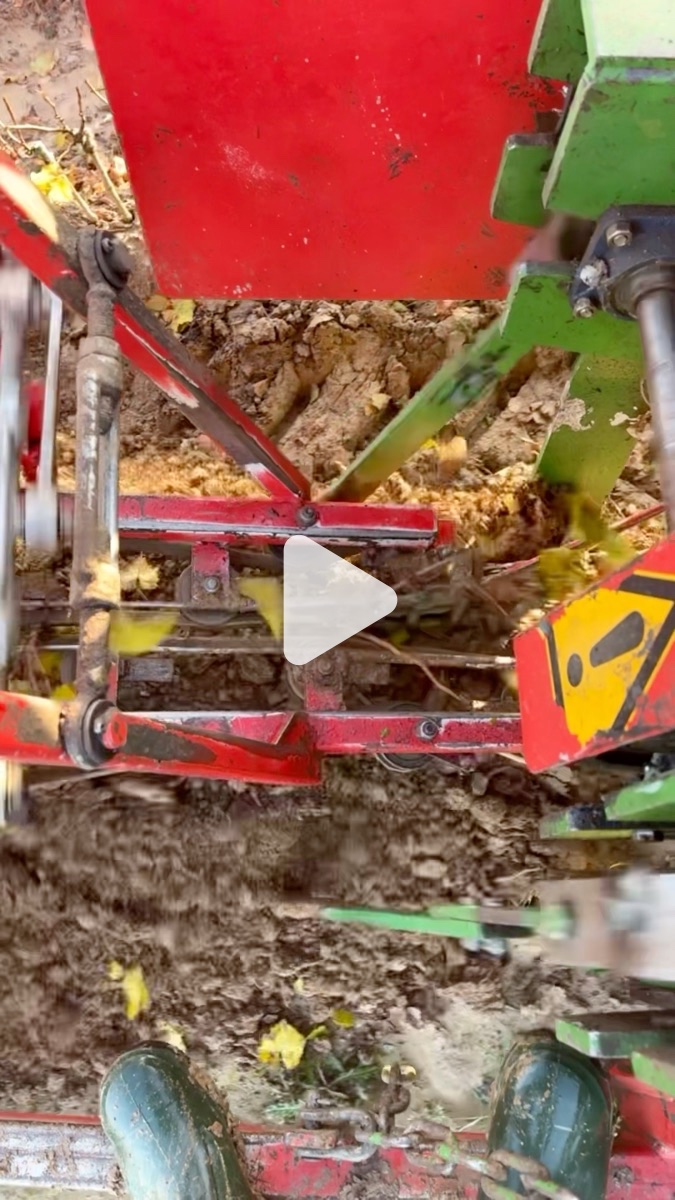
With the onset of winter dormancy and once the wood has fully matured, lifting begins in early November. The young vines are undercut with a lifting plough and lifted out of the ground row by row. They are then carefully sorted and subjected to quality control. Trimmed ready for planting and dipped in paraffin wax, the vines are stored in our cold store until the planting season.