Cabernet Sauvignon

Crossing
Cabernet Franc x Sauvignon Blanc
Origin
Cabernet Sauvignon originates from the Bordeaux wine region in France, resulting from a natural cross between Cabernet Franc and Sauvignon Blanc. While its exact date of origin remains unknown, historical records place the variety in Bordeaux since at least the 17th century. In the 18th century, it was first documented under the name ‘Petite Vidure’ and later as ‘Petit Cabernet Sauvignon’. Its parentage was scientifically confirmed through DNA profiling in 1997.
Characteristics
- late budburst
- late ripening
- vigorous growth
- low lateral shoot growth
- tendency to bunch stem necrosis
- thick berry skin
- higher susceptibility to powdery mildew
Site requirements
Cabernet Sauvignon places high demands on site warmth, though it is relatively adaptable in terms of soil type. A balanced water supply is crucial. On very dry sites, adjusting pruning levels and limiting yields can help relieve stress on the vines. Shallow soils with low water-holding capacity are therefore particularly critical in dry years.
Aromas
Cabernet Sauvignon wines are characterised by a firm tannin structure, deep colour and a pronounced aromatic spectrum. Typical notes include blackcurrant, blackberry and cherry, complemented by spicy nuances of black pepper and liquorice. Where grape ripeness is incomplete, green, grassy and bell pepper-like aromas alongside harsh, angular tannins can dominate.
Oak barrel maturation can impart additional aromas of vanilla, cocoa and toasted notes, while simultaneously harmonising the tannin structure. High-quality Cabernet Sauvignon wines possess remarkable ageing potential and gain further complexity with extended bottle maturation.
In Bordeaux, Cabernet Sauvignon is widely used as a blending partner, particularly alongside Merlot and Cabernet Franc, lending the wines added colour, structure and depth. Alongside classic blends, Cabernet Sauvignon is also vinified as a single varietal across international wine regions.
Bunch
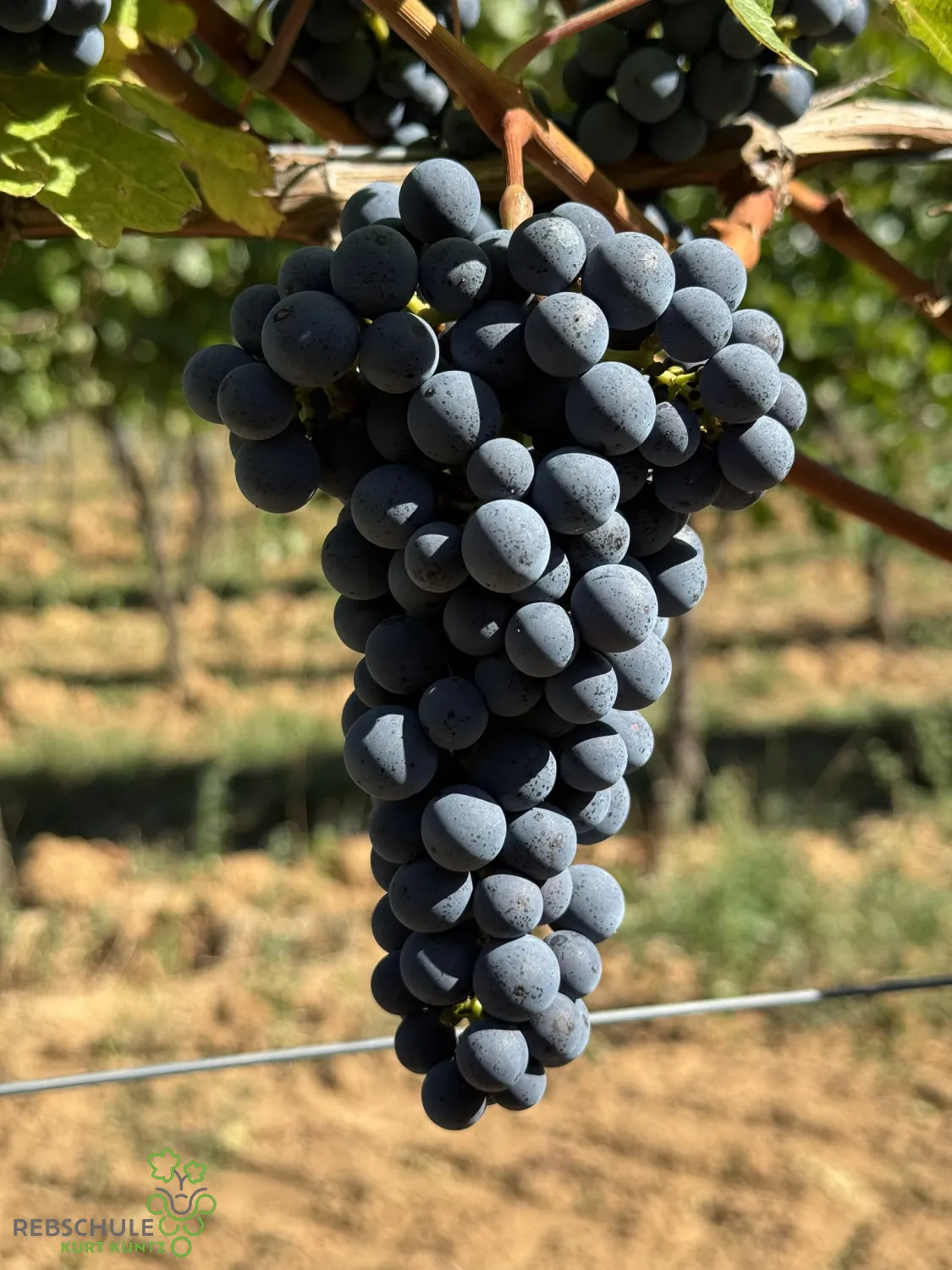
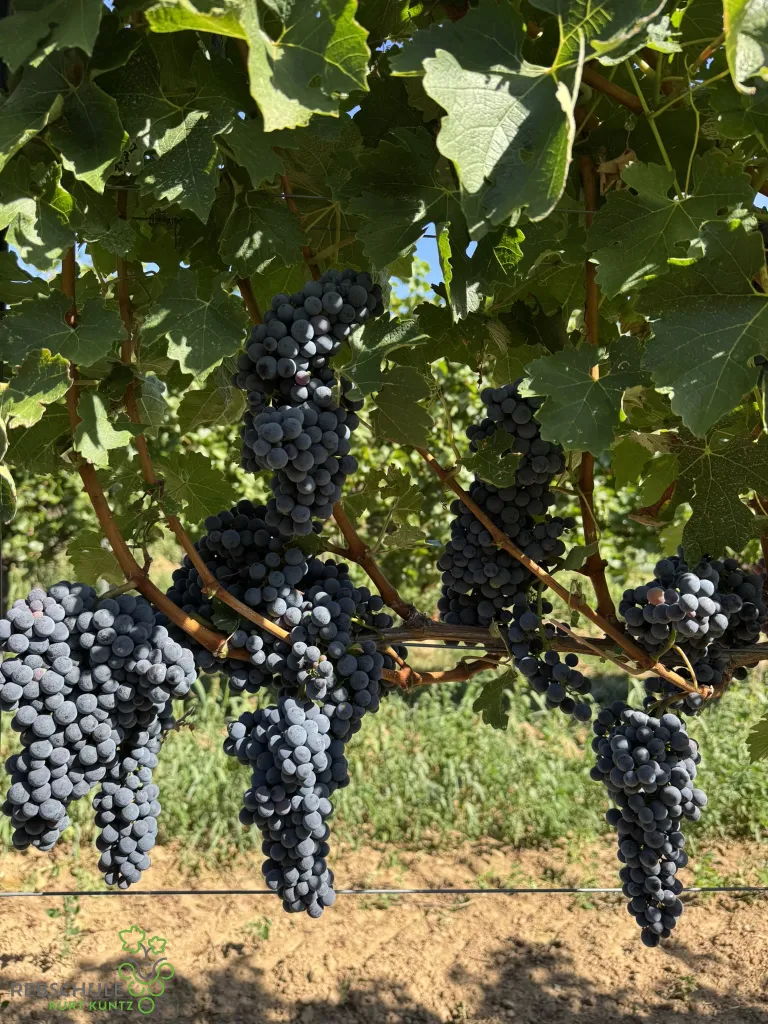
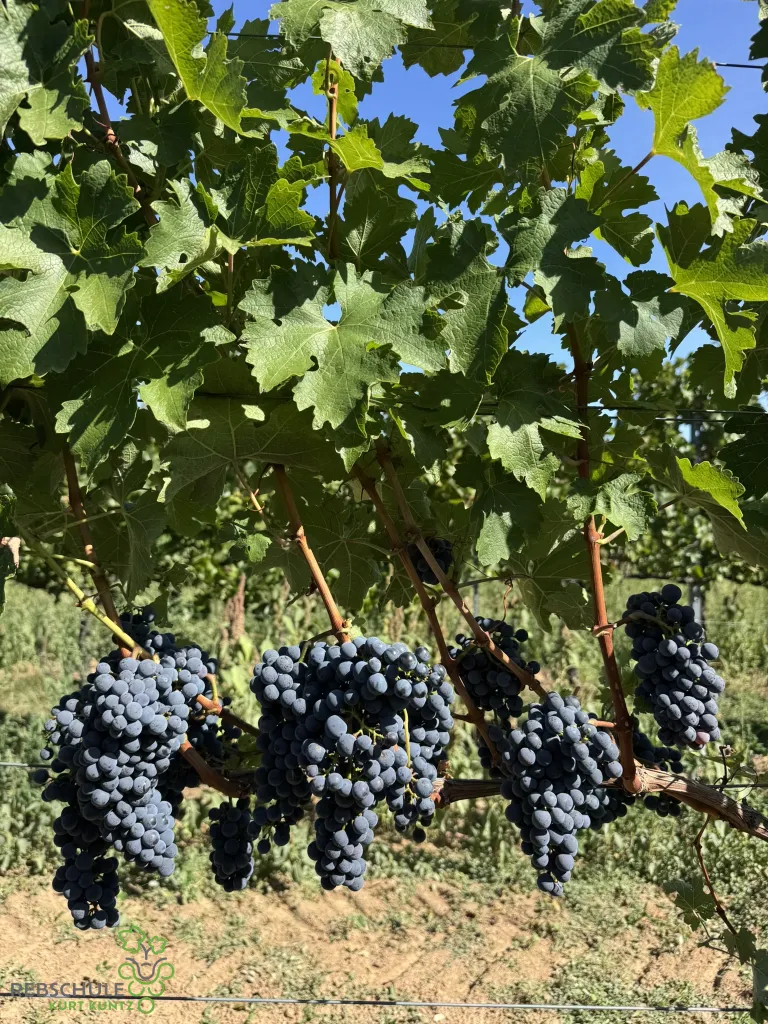
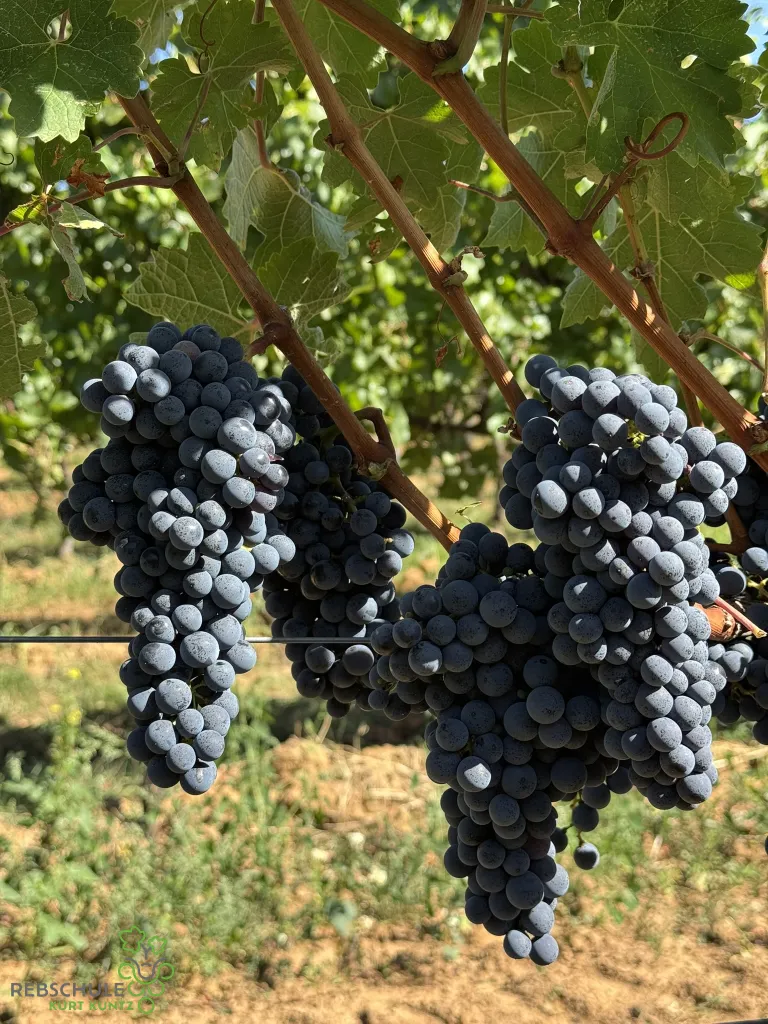
The bunches are small to medium-sized, cylindrical and often winged, with a predominantly compact structure. The small, roundish berries are bluish-black in colour, featuring a pronounced waxy bloom and a thick skin. This offers a degree of protection against botrytis, though susceptibility also depends on bunch compactness and weather conditions.
Links/Downloads
Cabernet Sauvignon clones
France

Cabernet Sauvignon ENTAV-INRA 169
Yield low to mediumBunches compactBotrytis susceptibility low
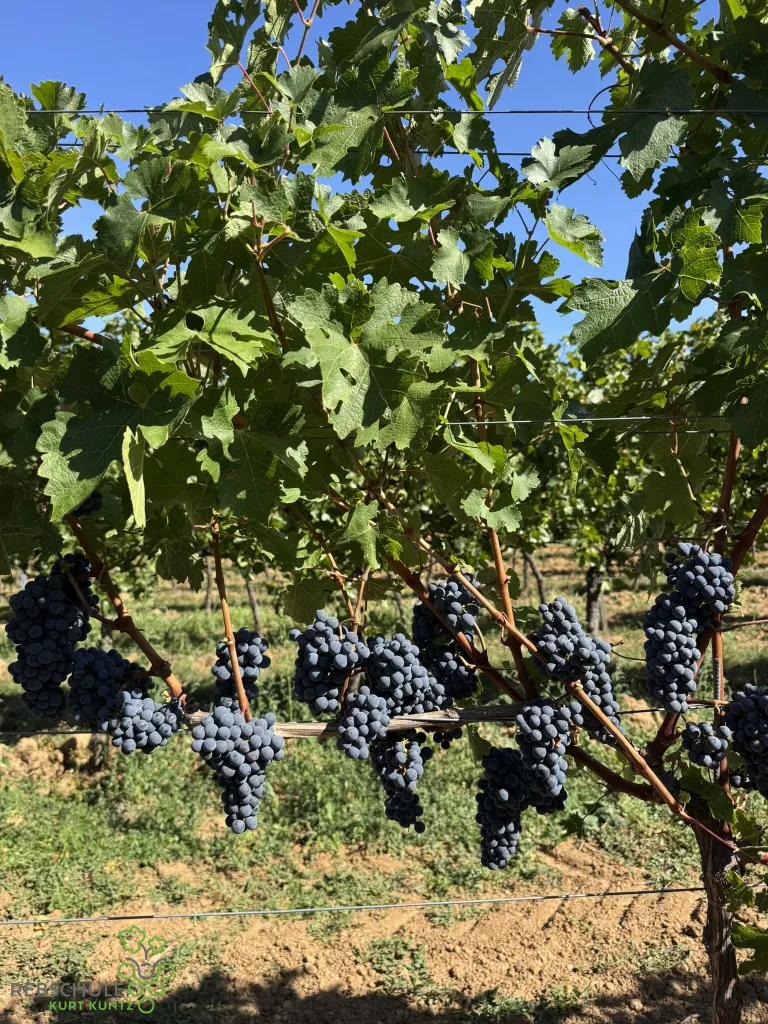
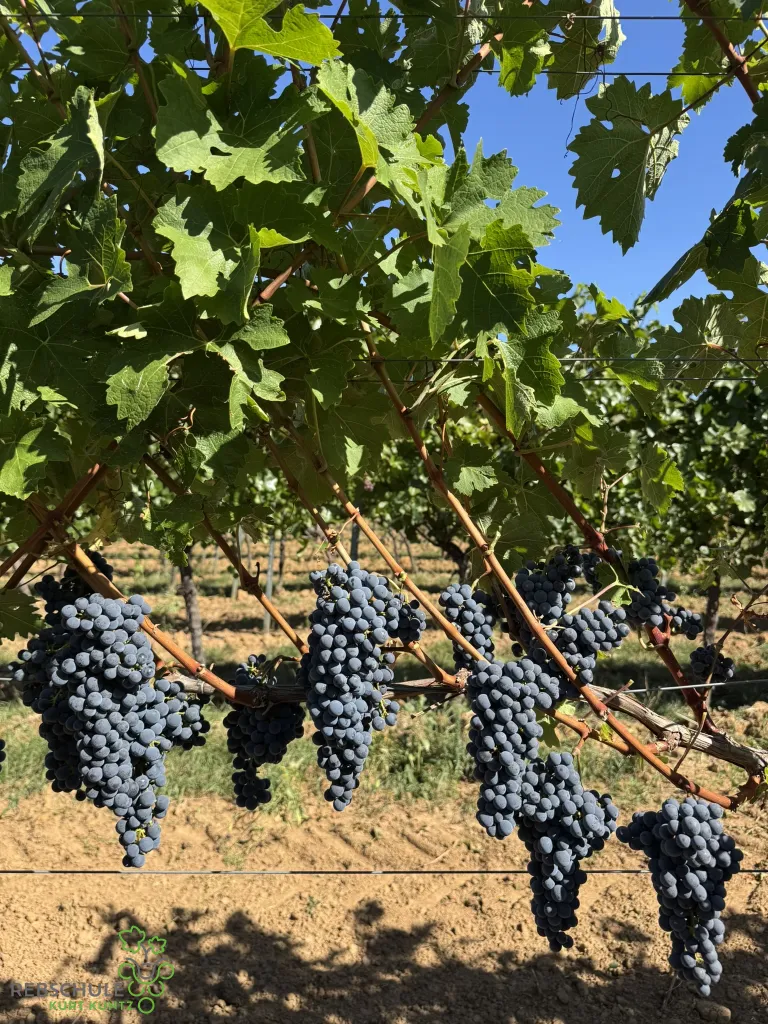

- Quality clone