Calardis Royal PIWI

Crossing
Calandro x MTP 3082-1-49
Origin
Calardis Royal is a new German red wine variety created in 2004 at the Julius Kühn-Institut (JKI), Institute for Grapevine Breeding Geilweilerhof in Siebeldingen, from a cross between Calandro and MTP 3082-1-49. Through Calandro – itself a cross of Domina × Regent – the variety brings together numerous classic European grape varieties in its pedigree, including Pinot Noir (Spätburgunder), Blauer Portugieser, Silvaner and Müller-Thurgau. Via Regent, genetic material from interspecific crosses such as Chambourcin also enters its lineage, while its broader genetic background includes Cabernet Sauvignon, Cabernet Franc, Grenache and Merlot. Bred as a fungus-resistant variety, Calardis Royal combines multiple resistance loci against both powdery and downy mildew. Plant variety protection was applied for in 2024, with formal listing on the German National List and grant of plant variety rights still pending according to the JKI.
Characteristics
- early budburst
- mid-season to late ripening
- susceptible to late spring frost
- low lateral shoot growth
- upright growth habit
- firm, resilient berry skin
Site requirements
Due to its early budburst, vineyard sites prone to late spring frost should be avoided. Its upright growth habit and open canopy make vineyard management straightforward. Reliable data regarding specific soil requirements and lime tolerance is not yet sufficient.
Aromas
Calardis Royal produces fruity, full-bodied red wines with aromas of blackberry, elderberry and dark cherry, accompanied by spicy notes such as tobacco and clove. Alongside bold, tannin-driven reds, the variety is also well-suited to lighter-bodied red styles and fruity rosés.
Bunch
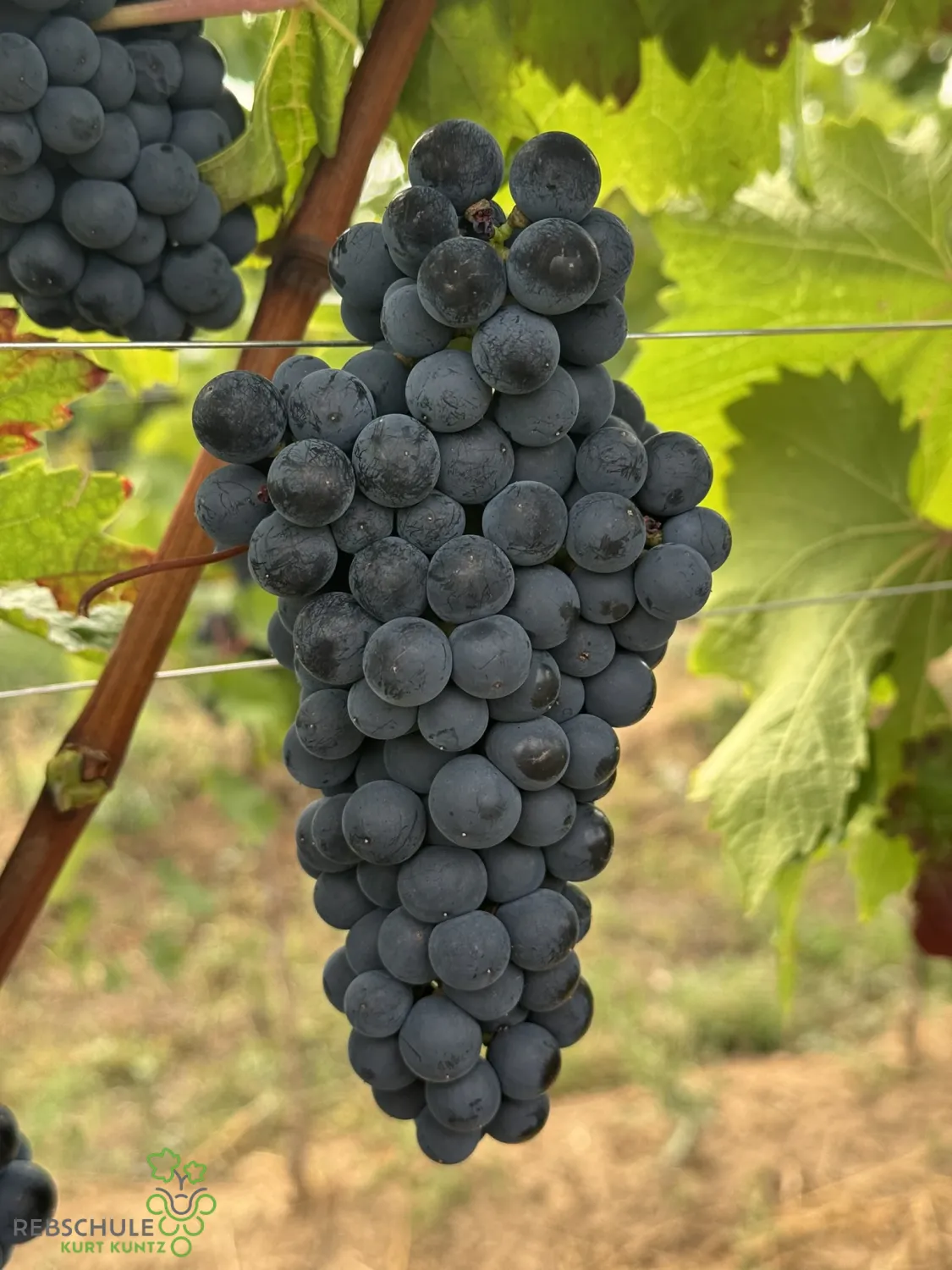
The bunches can be either compact or loose in structure and consist of small, roundish, blue-black berries. Despite the occasionally denser bunch structure, Calardis Royal demonstrates moderate to high resistance to botrytis thanks to its firm berry skin.
Disease resistance
- Downy mildew (Plasmopara viticola)3/4Resistance loci: Rpv1, Rpv3.1
- Powdery mildew (Oidium)4/4Resistance loci: Run1, Ren3, Ren9
- Botrytis2.5/4
To counteract the development of resistant fungal strains and safeguard the cultivar's resistance over the long term, three targeted plant protection treatments are recommended. Optimal treatment windows occur primarily around flowering, adjusted according to weather conditions and prevailing disease pressure.
Calardis Royal PIWI clones
Geilweilerhof


Calardis Royal PIWI -
Yield mediumBunches loose – compactBotrytis susceptibility low
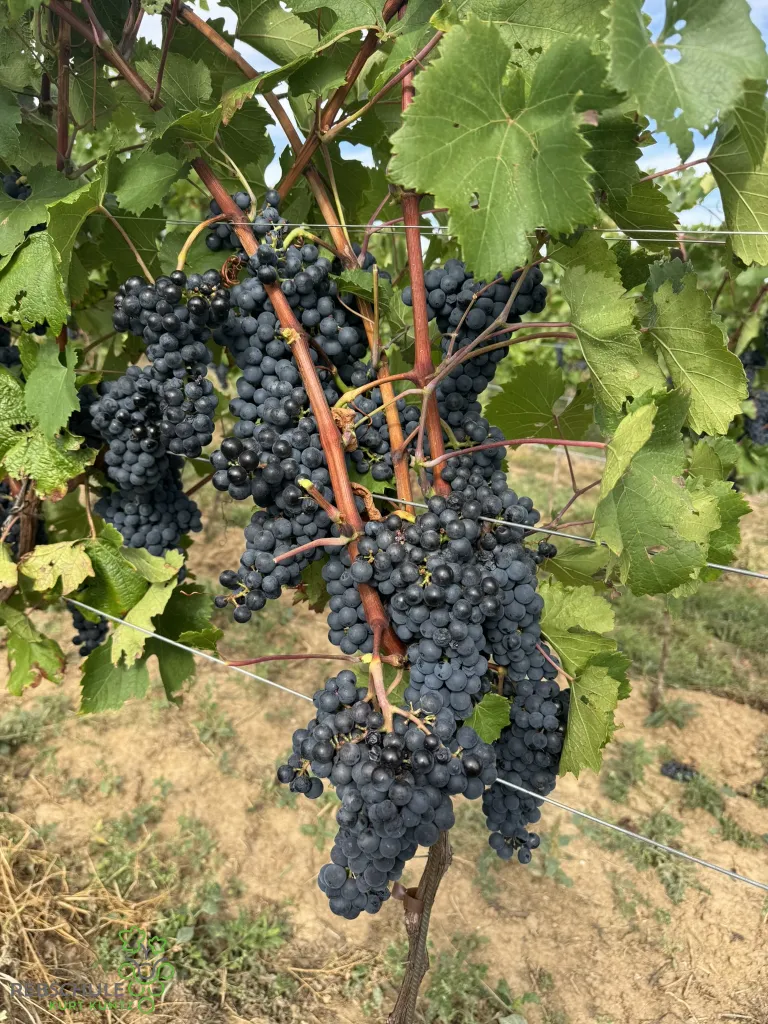
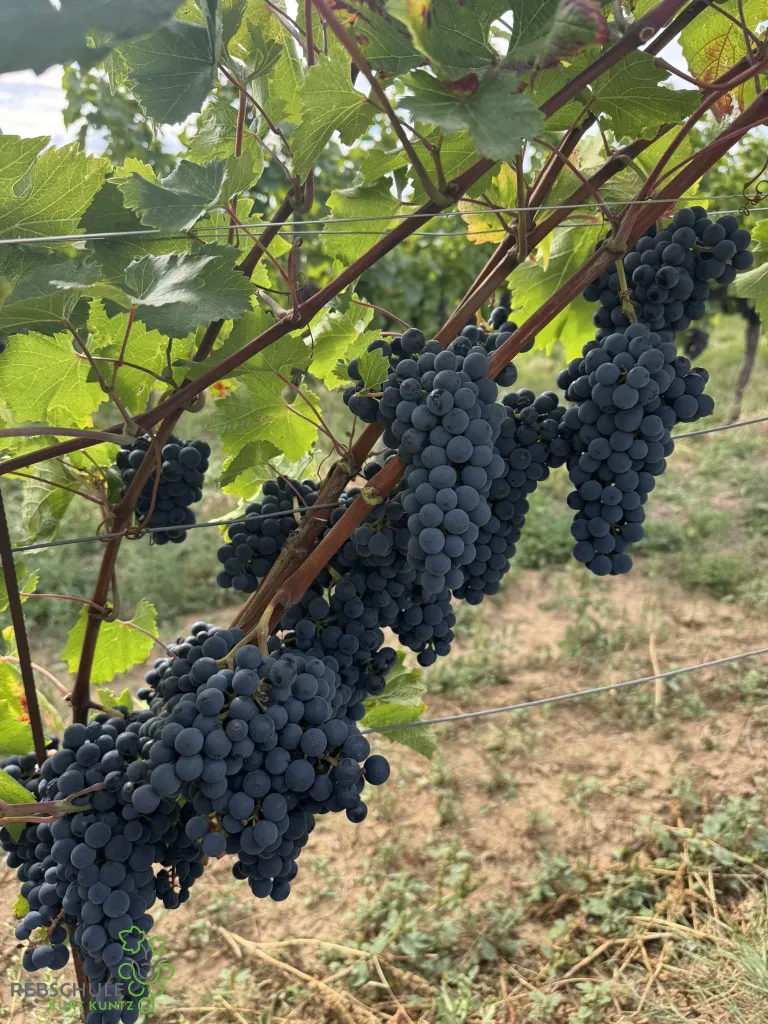
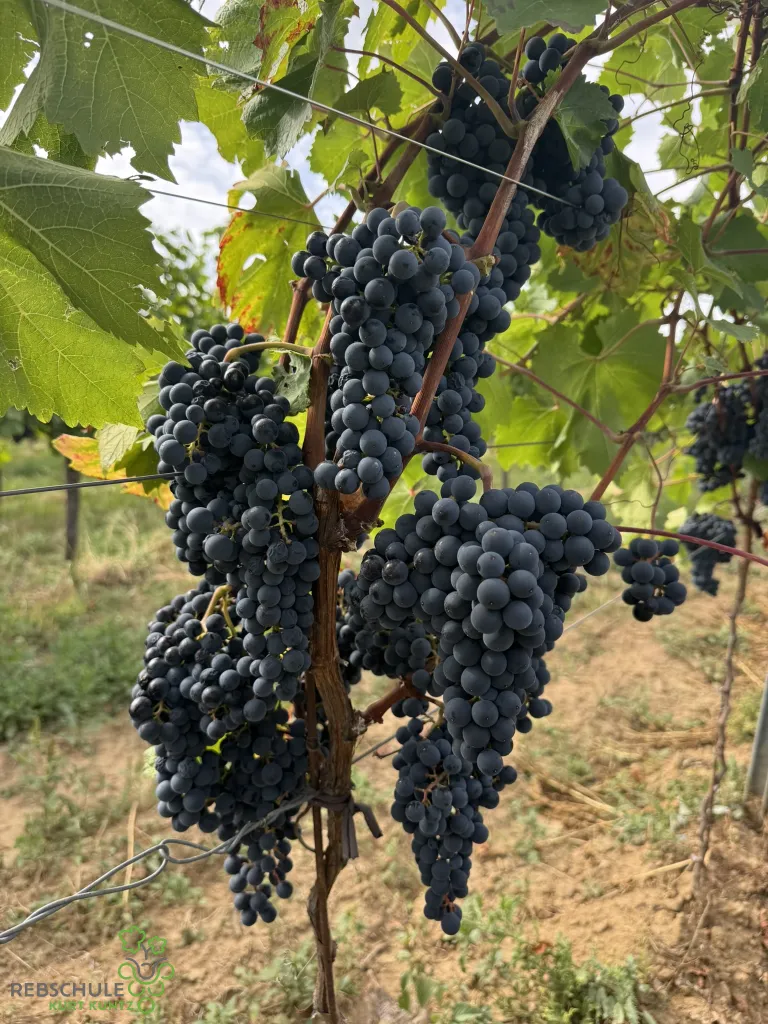
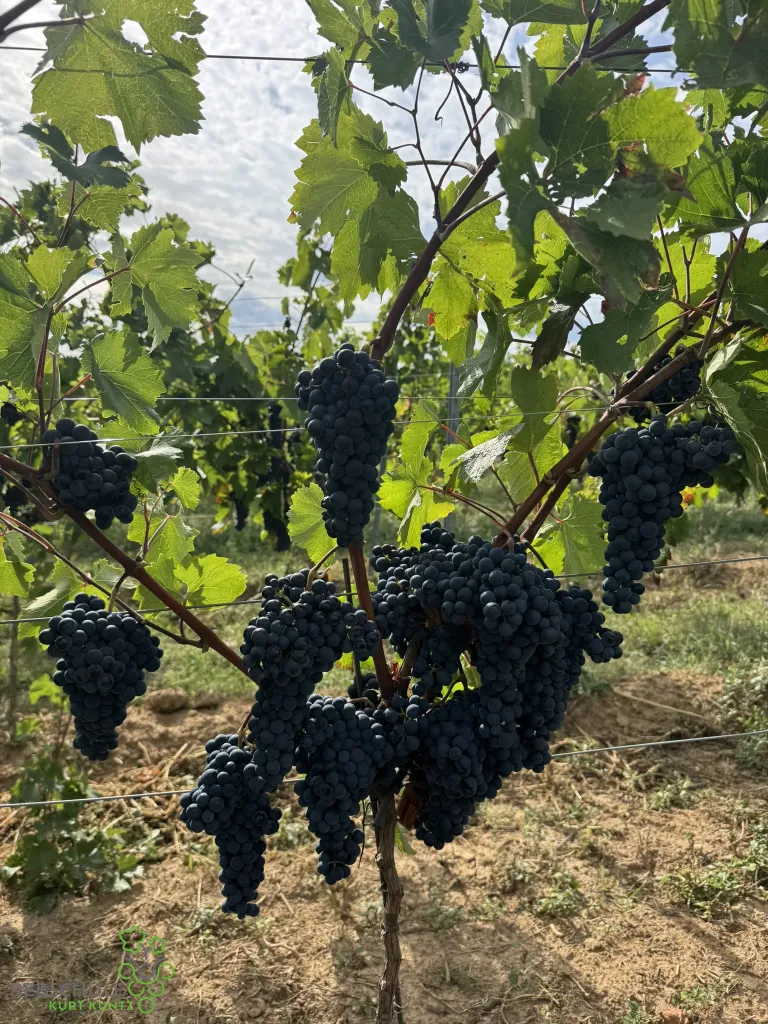
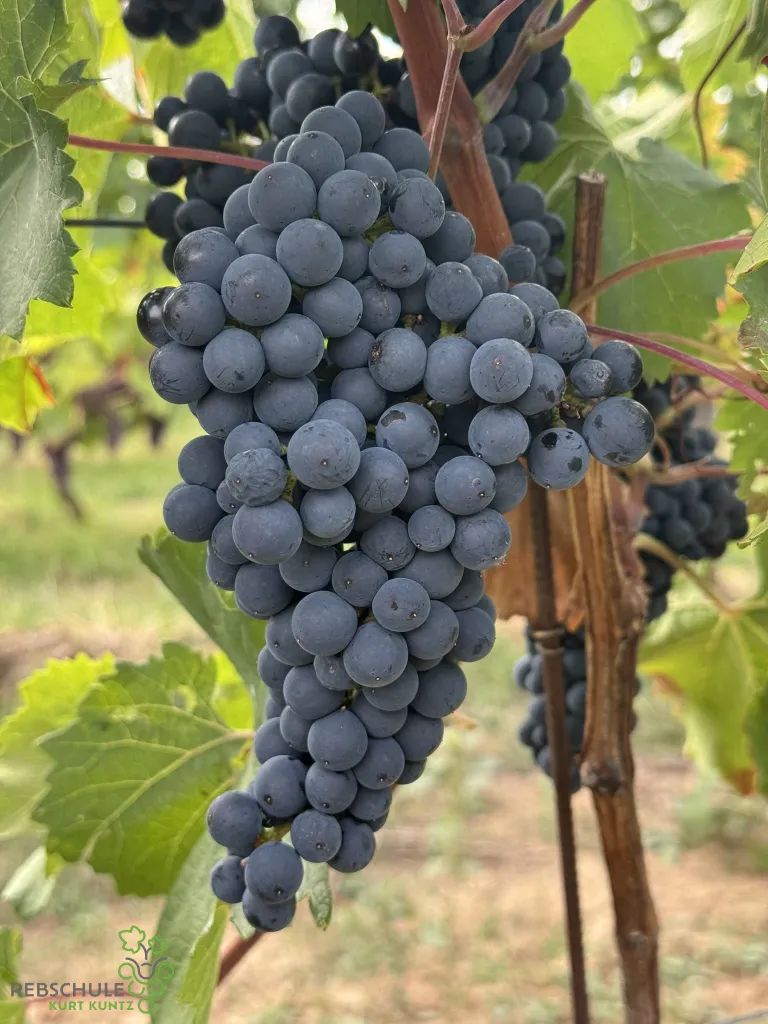
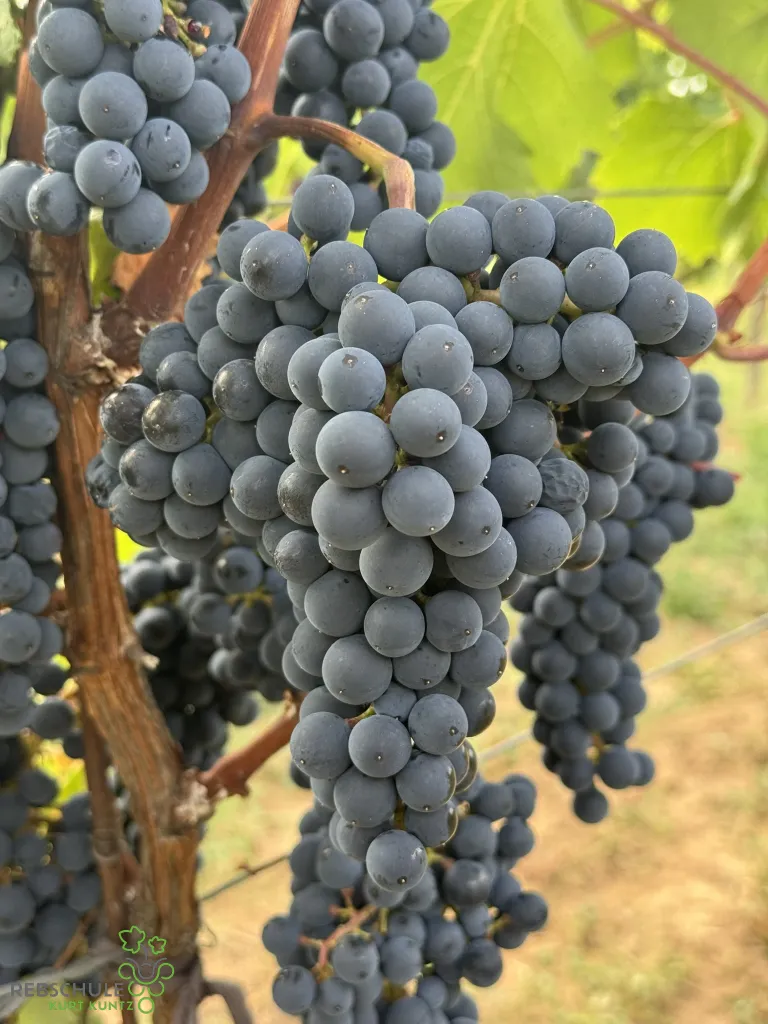
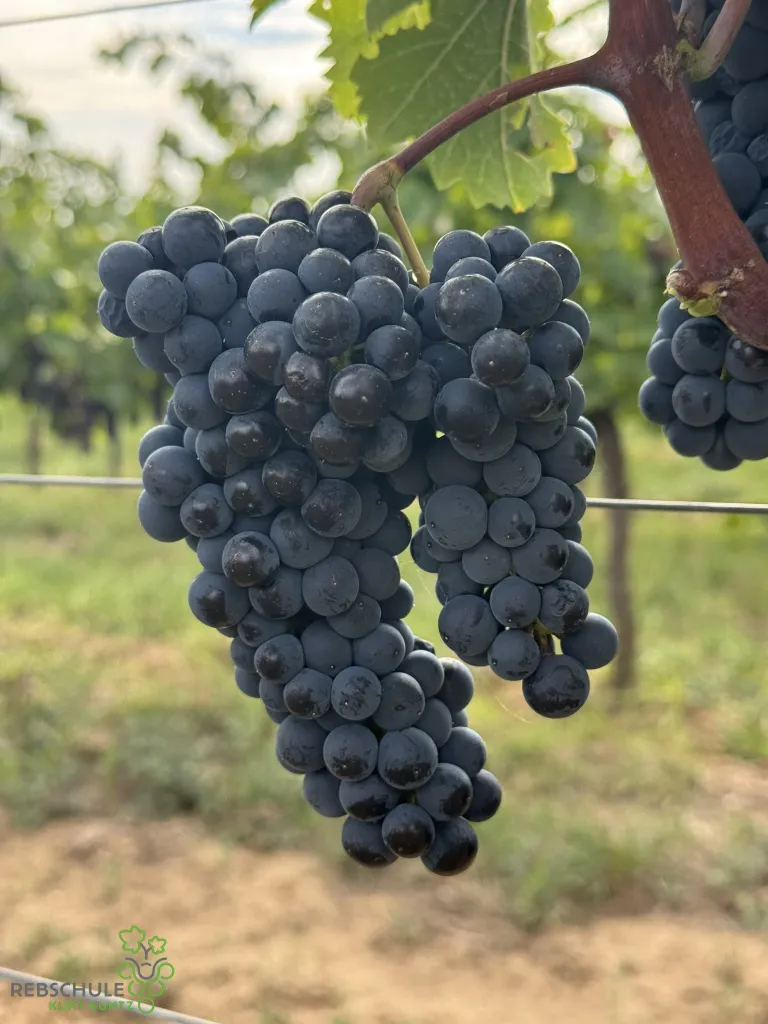
The bunches can range from loose to compact in structure, yet thanks to their firm, resilient berry skin, they are not susceptible to botrytis.