Pinot Blanc
Crossing
Mutation of Pinot Gris
Synonyms: Pinot Blanc, Pinot Bianco, Weißburgunder
Origin
Pinot Blanc originally comes from Burgundy in France and has been mentioned in historical sources since the 14th century. Because Pinot Blanc, Chardonnay and Auxerrois were not always clearly distinguished from one another for a long time and were partly planted in mixed vineyards, it cannot be said with certainty whether the early historical mentions actually refer to today’s Pinot Blanc. According to tradition, Pinot Blanc reached the Rheingau in the Middle Ages via the Cistercians and spread from there to other German wine-growing regions and parts of Europe. Today, Pinot Blanc is one of the most important white Pinot varieties and is cultivated worldwide in numerous wine regions.
Characteristics
- medium-early budburst
- medium-late ripening
- susceptible to spring frost
- good wood maturity
- susceptible to Botrytis due to thin skin
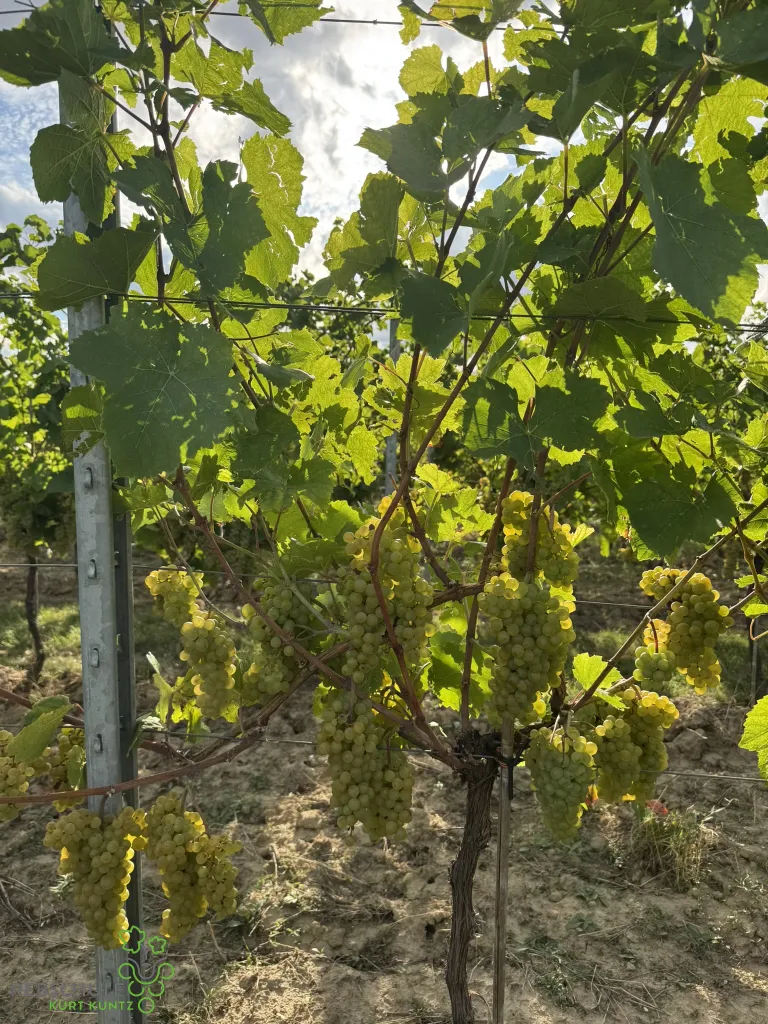
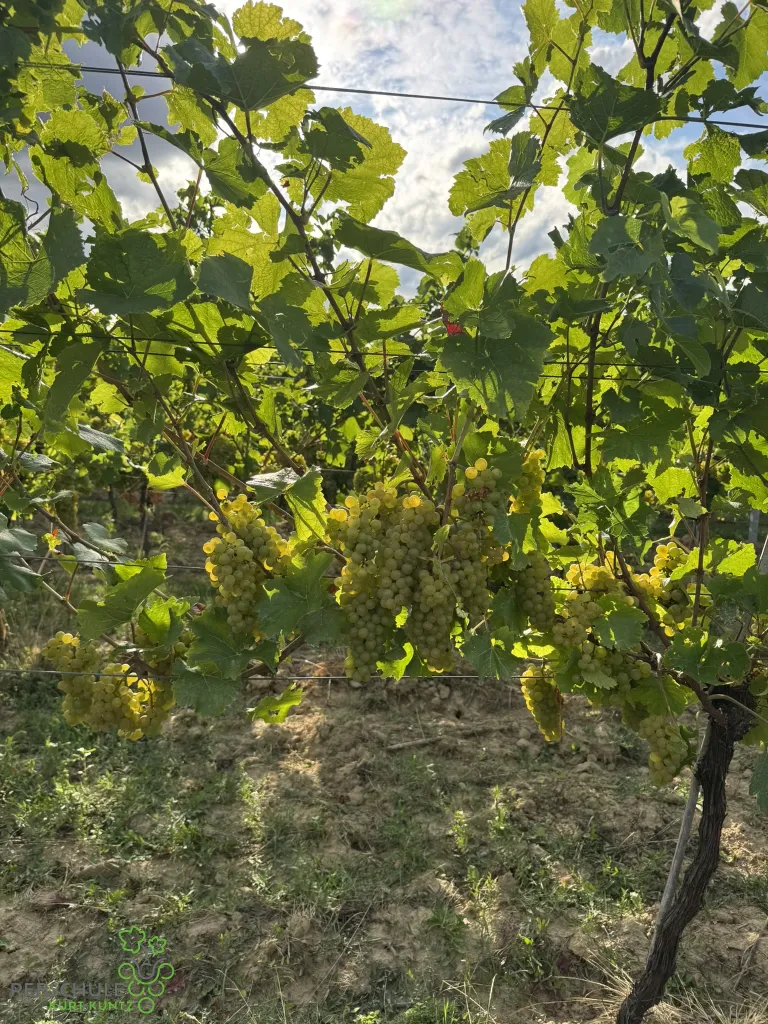
- medium-strong vigour
- consistent yields
Site requirements
Pinot Blanc has medium to high site requirements. It grows particularly well on deep, medium-heavy soils with good water-holding capacity and a higher limestone content. Warm sites promote even ripening of the bunches and form the basis for elegant, extract-rich and age-worthy wines. Sandy or shallow rocky soils, by contrast, often lead to lighter, less concentrated wines. Damp as well as low-limestone sites are less suited to cultivation, as they negatively affect bunch quality and the varietal character of the wines. Pinot Blanc is considered susceptible to chlorosis and Botrytis.
Aromas
Pinot Blanc is one of the more subtly aromatic grape varieties. Its character is shaped less by pronounced primary aromas than by elegance, finesse and harmoniously integrated acidity. The aromatic profile ranges from apple, pear and citrus fruits through quince and apricot to nutty notes. With increasing maturity, the wines gain weight, extract and complexity. Depending on maturation, different wine styles emerge. Pinot Blancs matured in stainless steel tanks present themselves as fresh, fruit-driven and straightforward. Maturation in wooden casks or barriques, often accompanied by extended lees ageing or bâtonnage, lends the wines additional texture, structure and depth. This develops aromas of hazelnut, brioche, vanilla and subtle toasty notes without masking the elegant varietal character.
Bunch
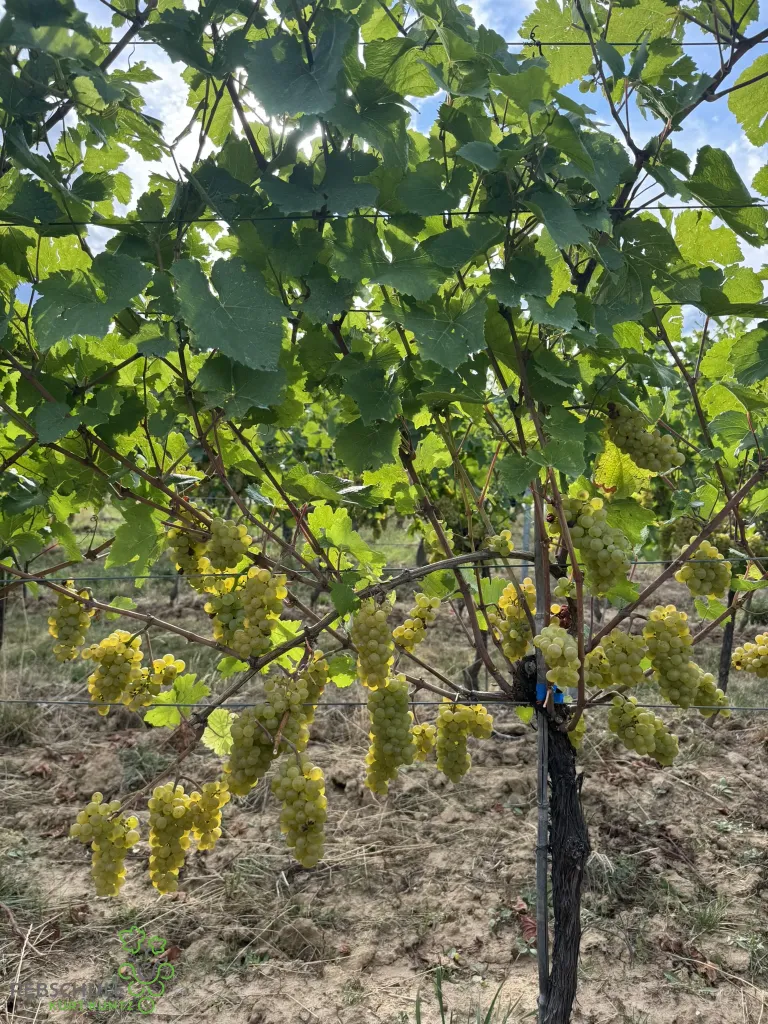
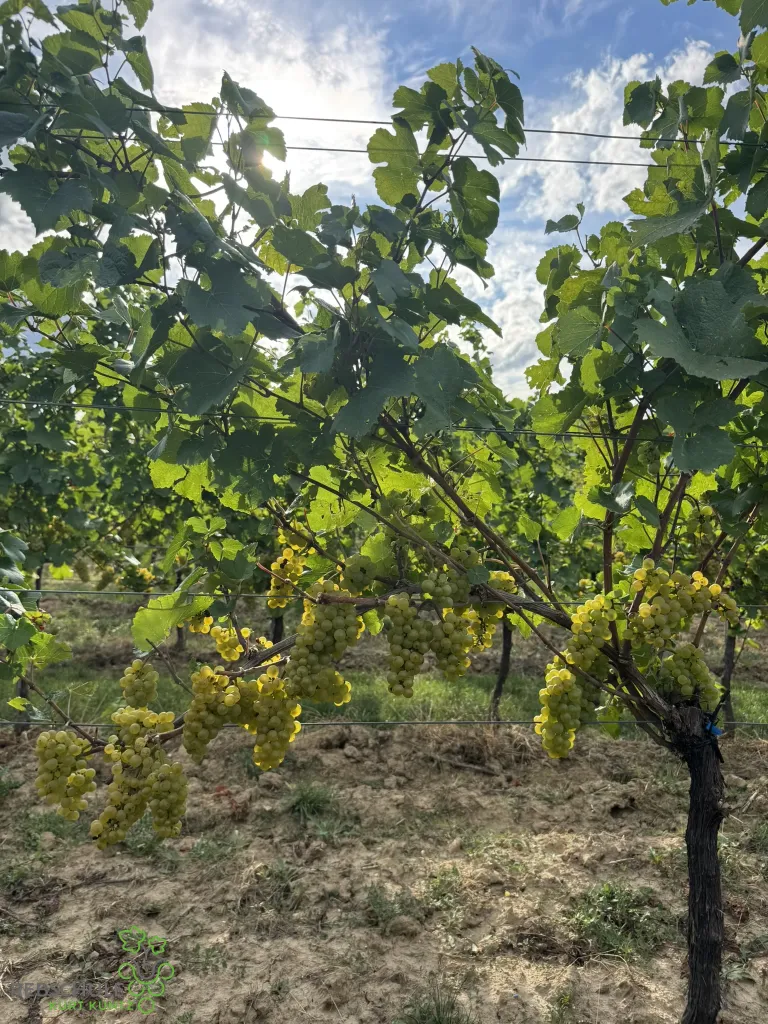
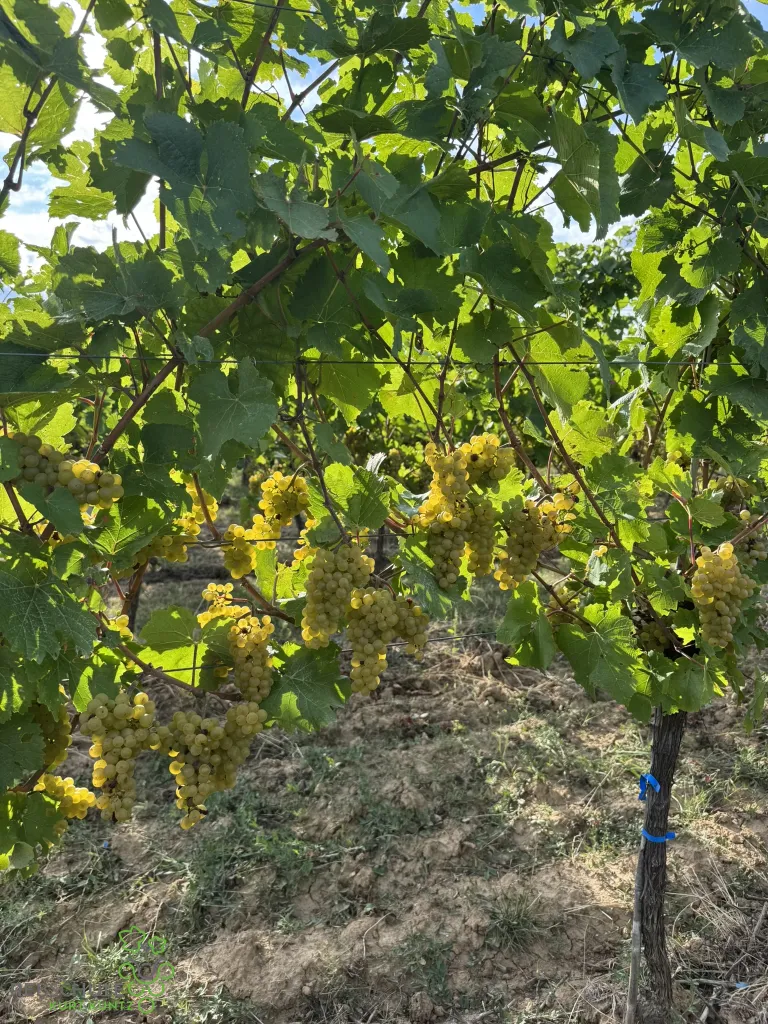
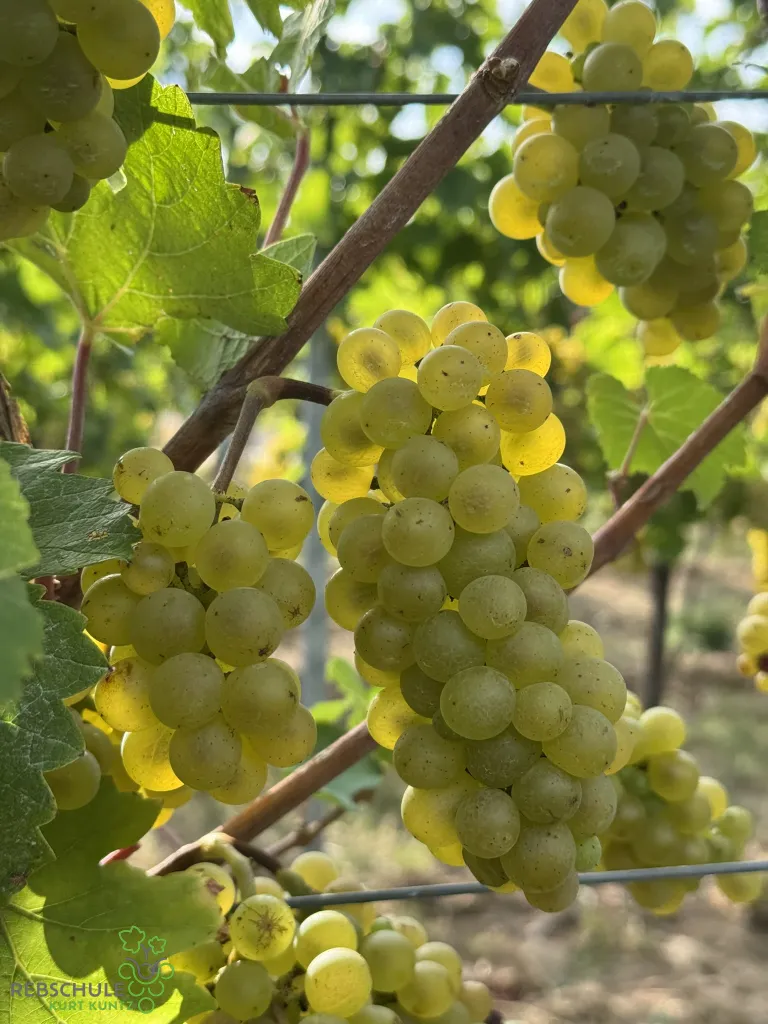
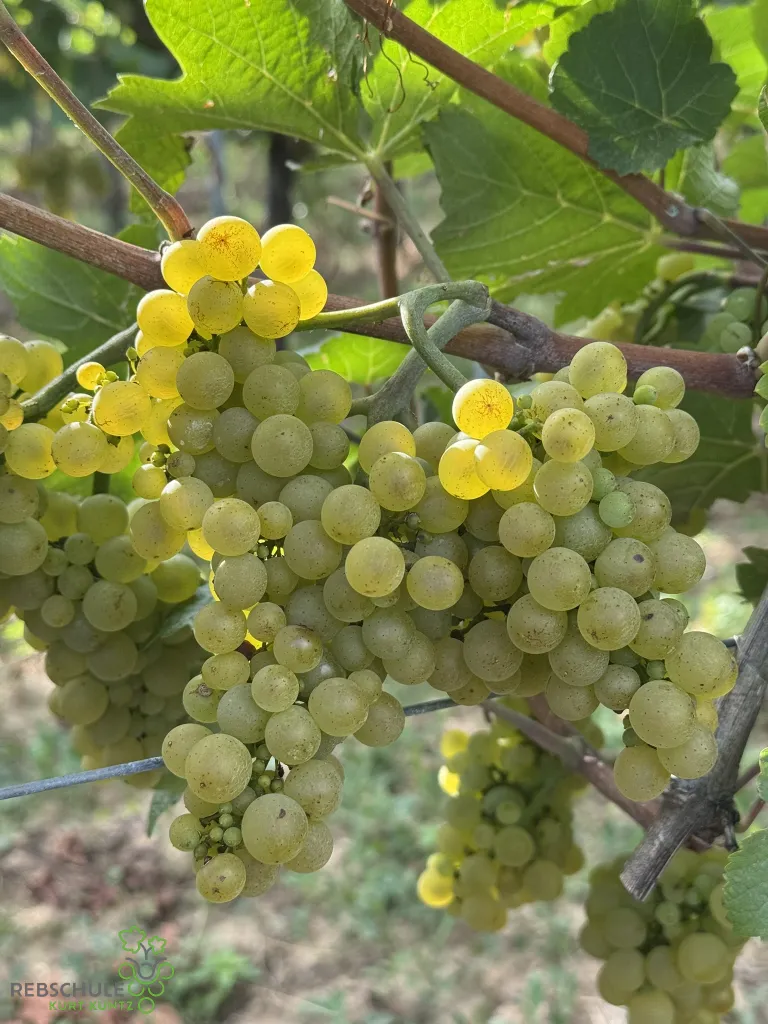
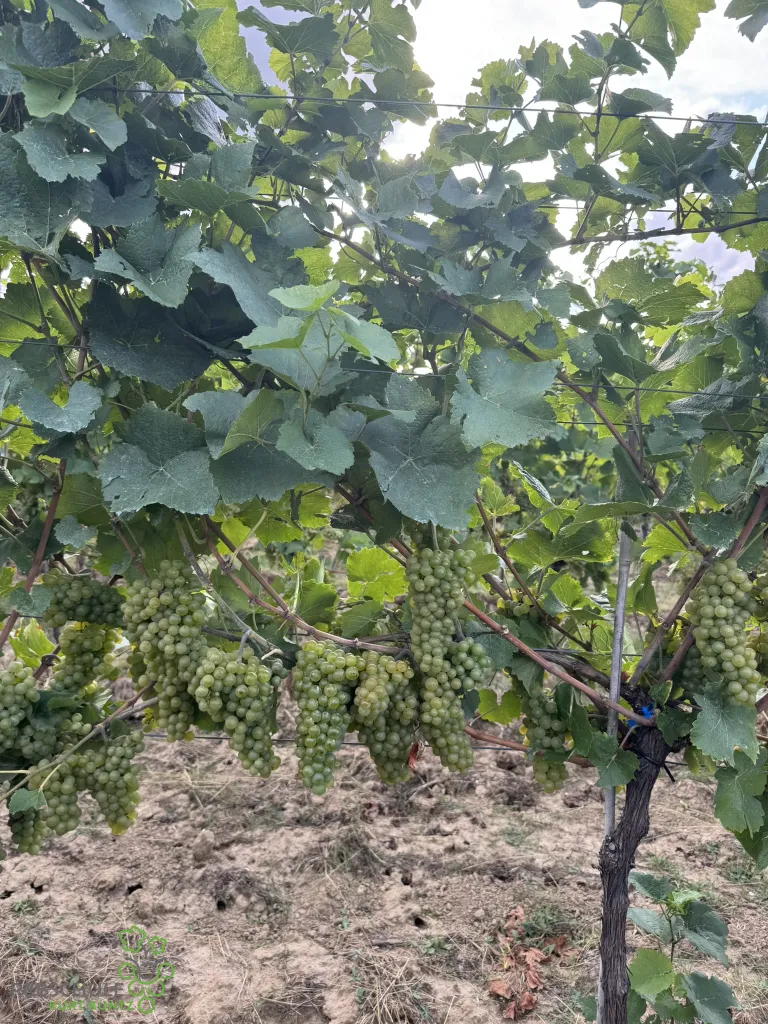
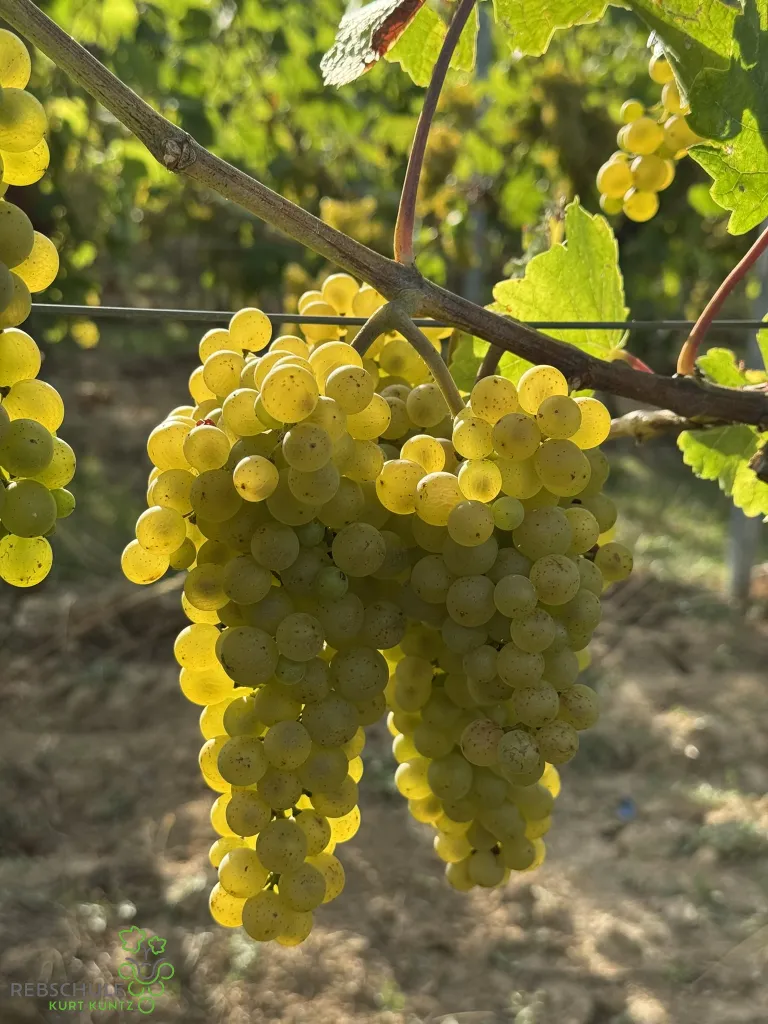
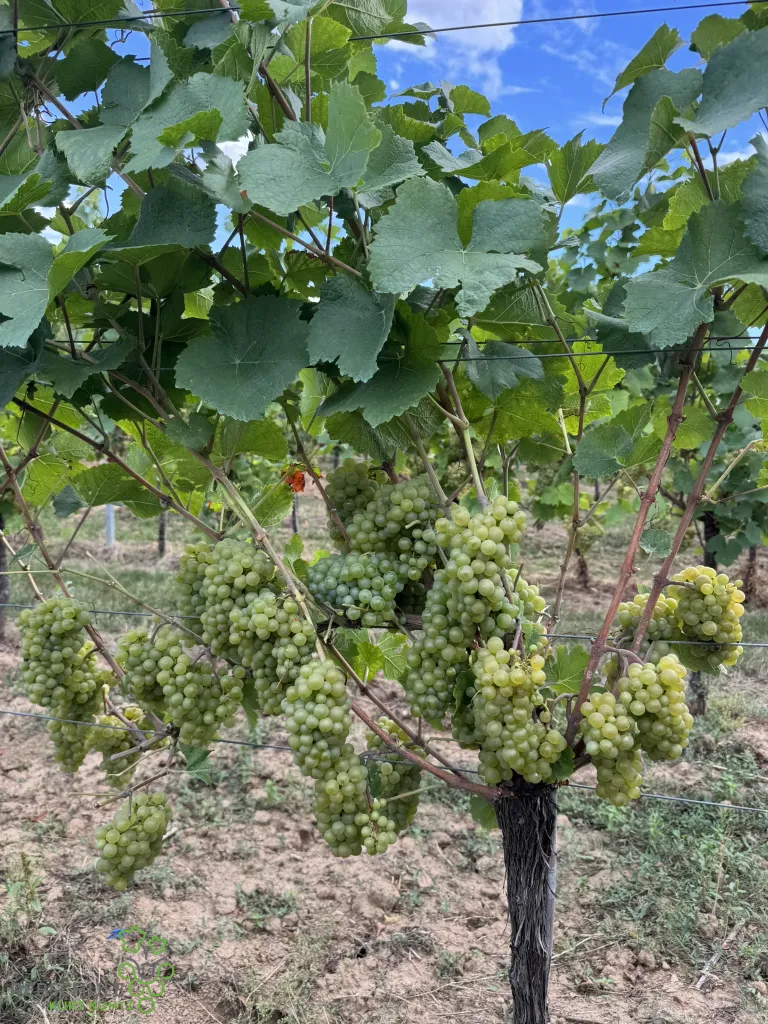
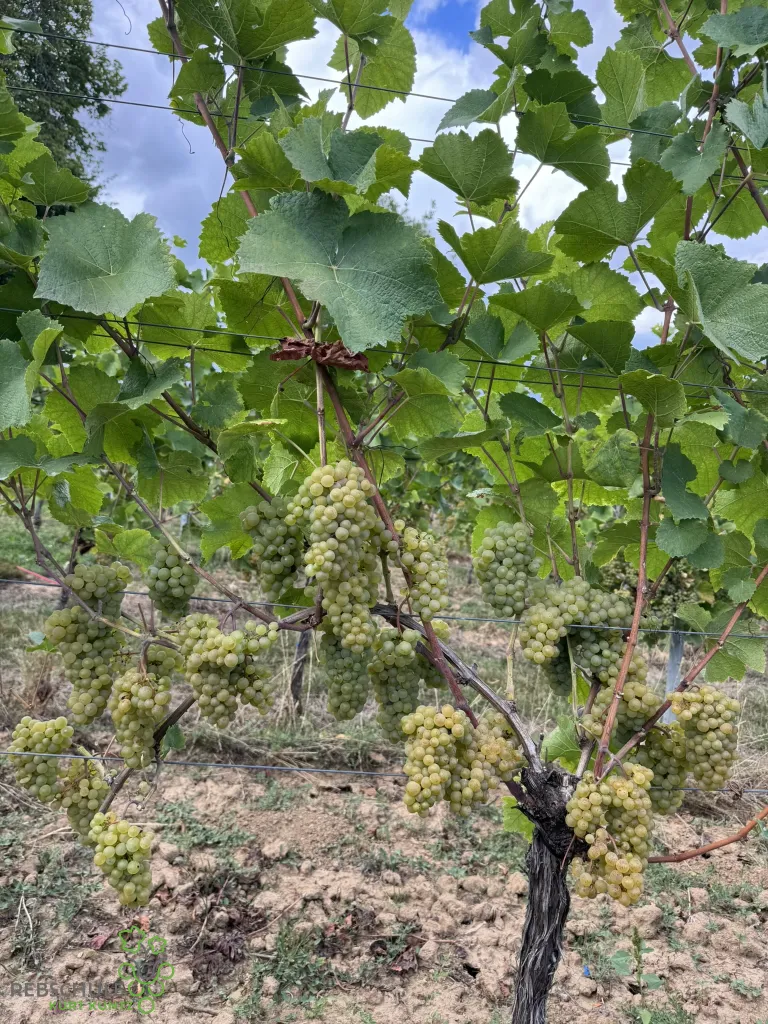
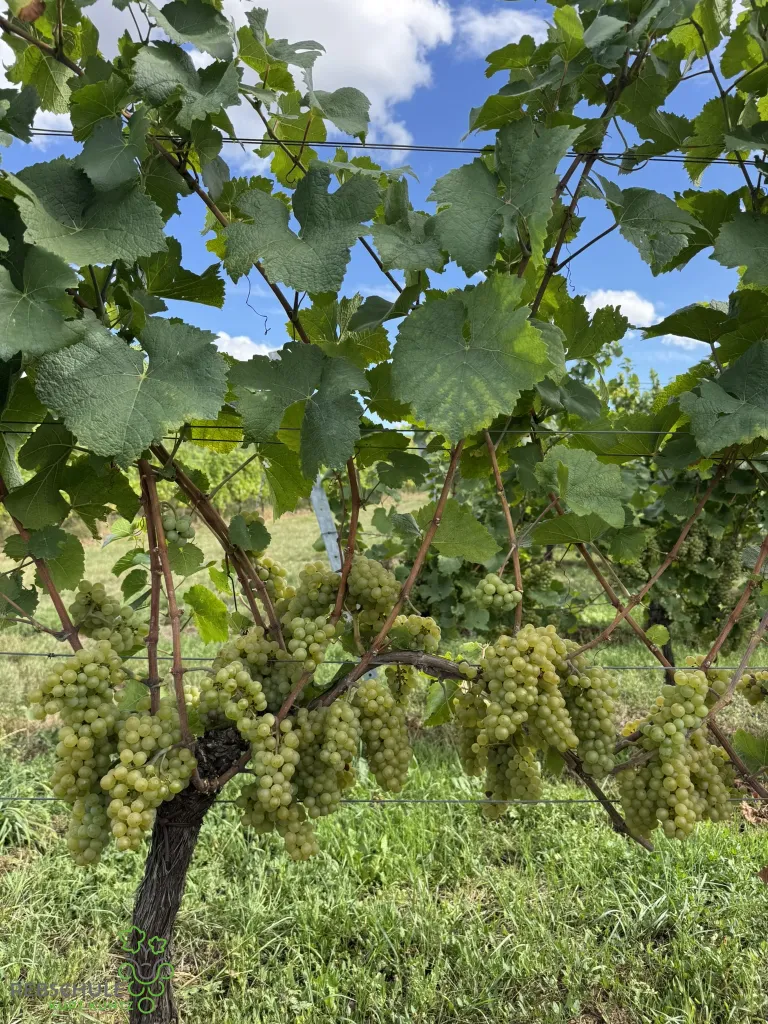
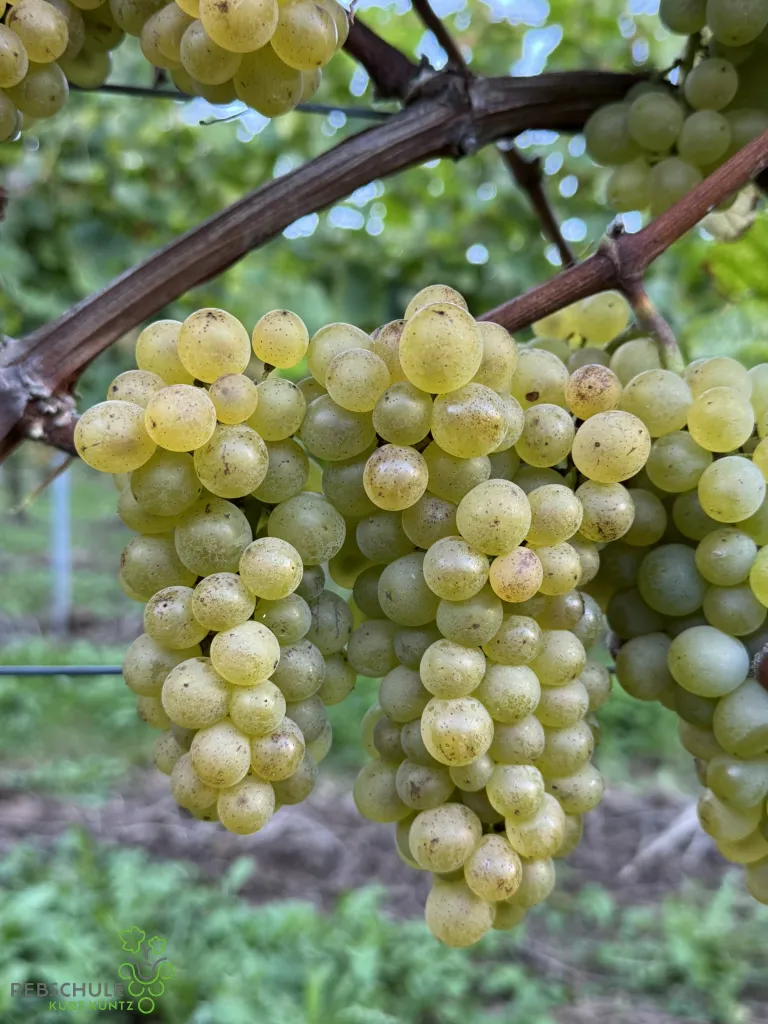
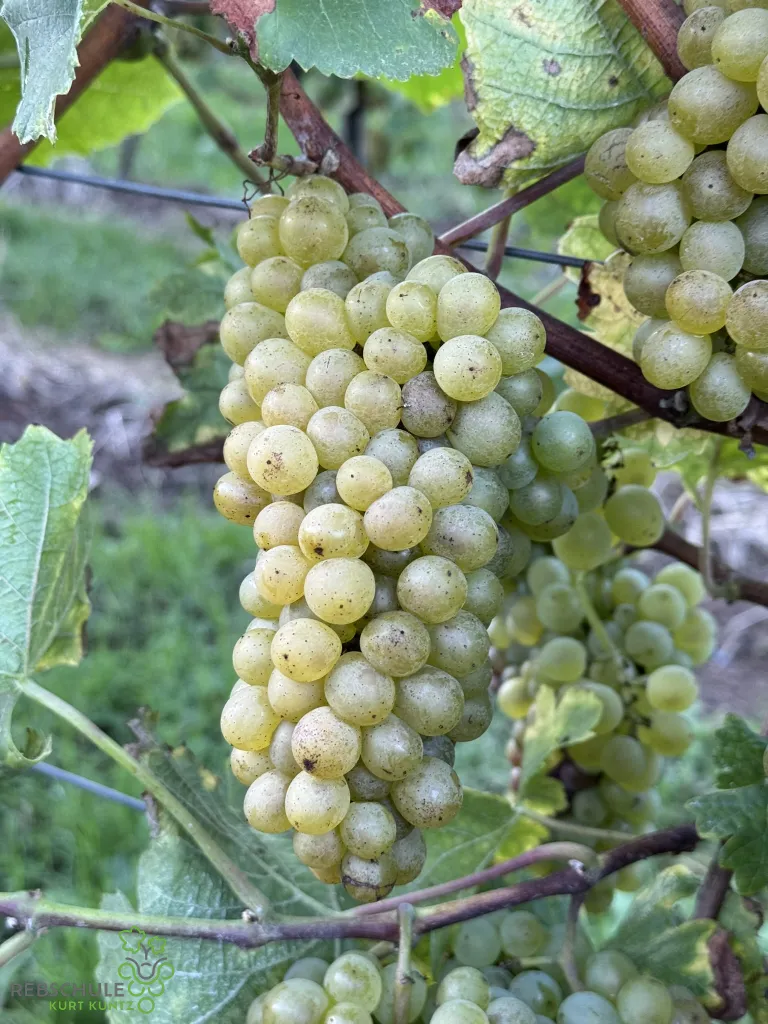
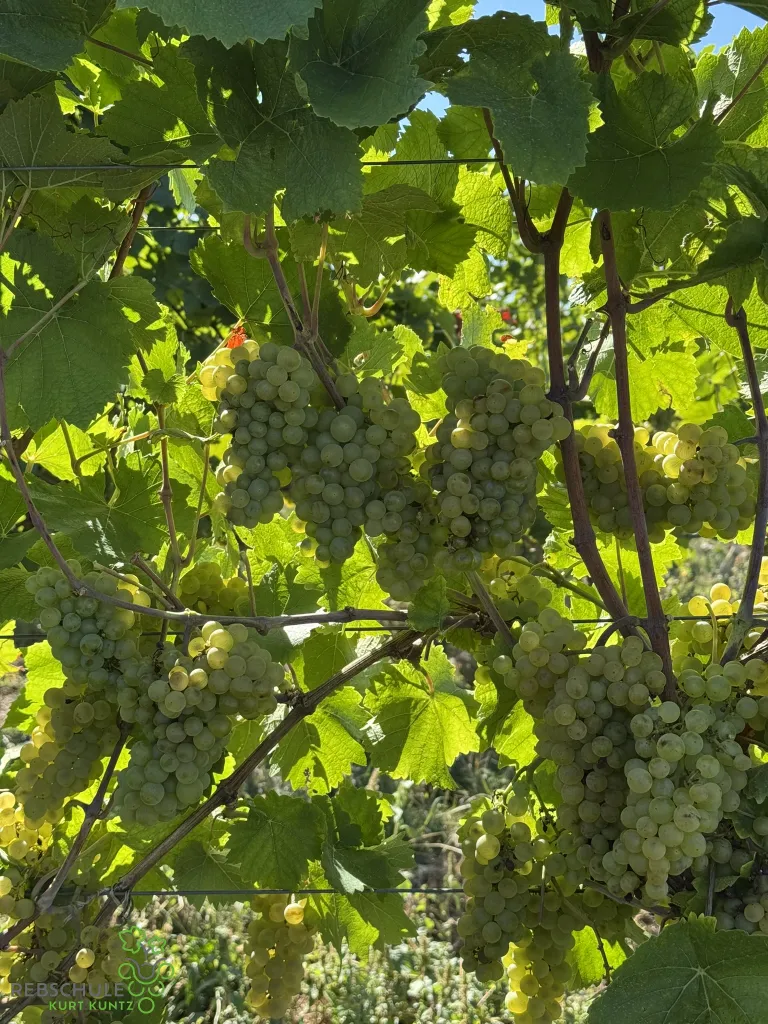
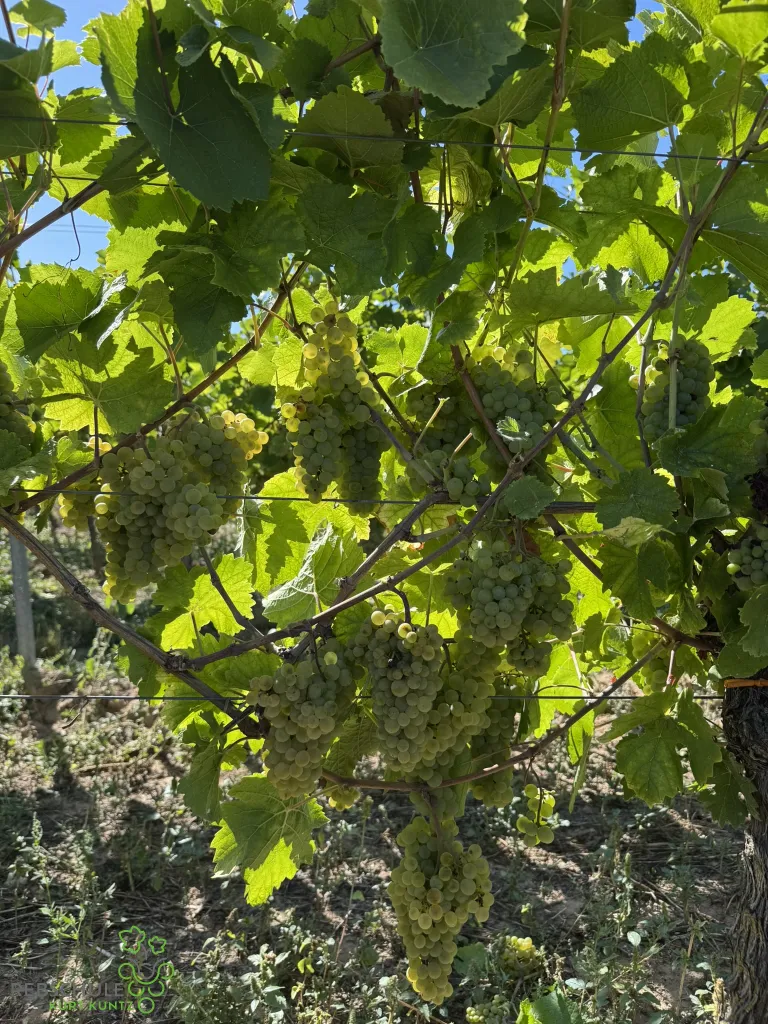
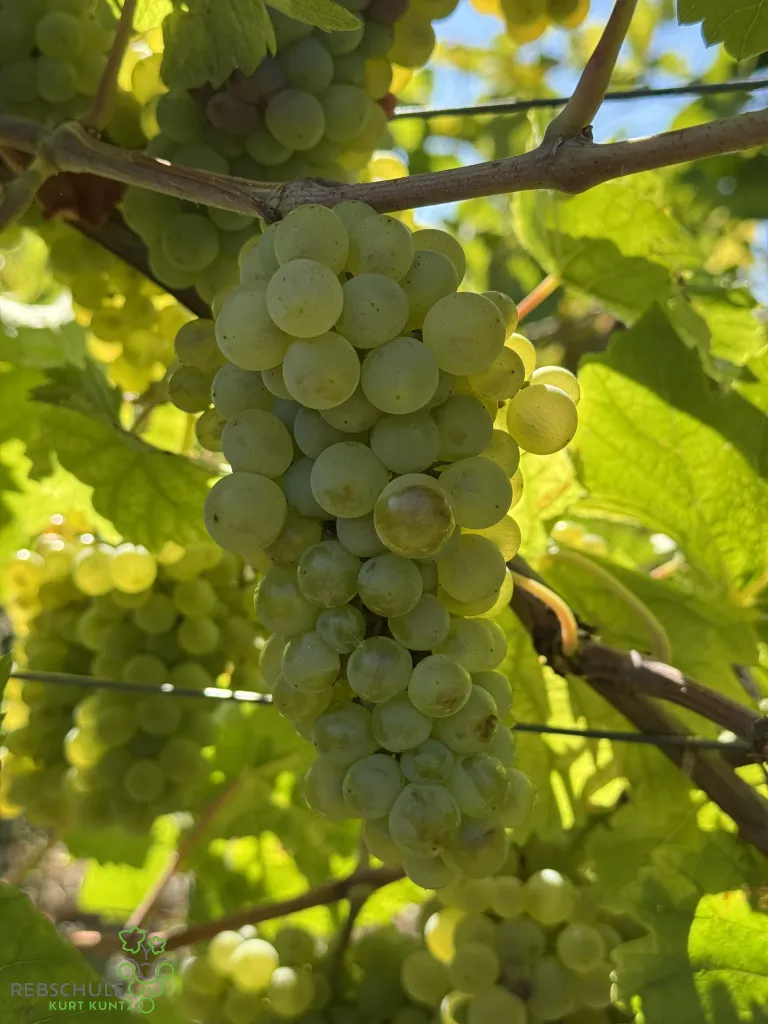
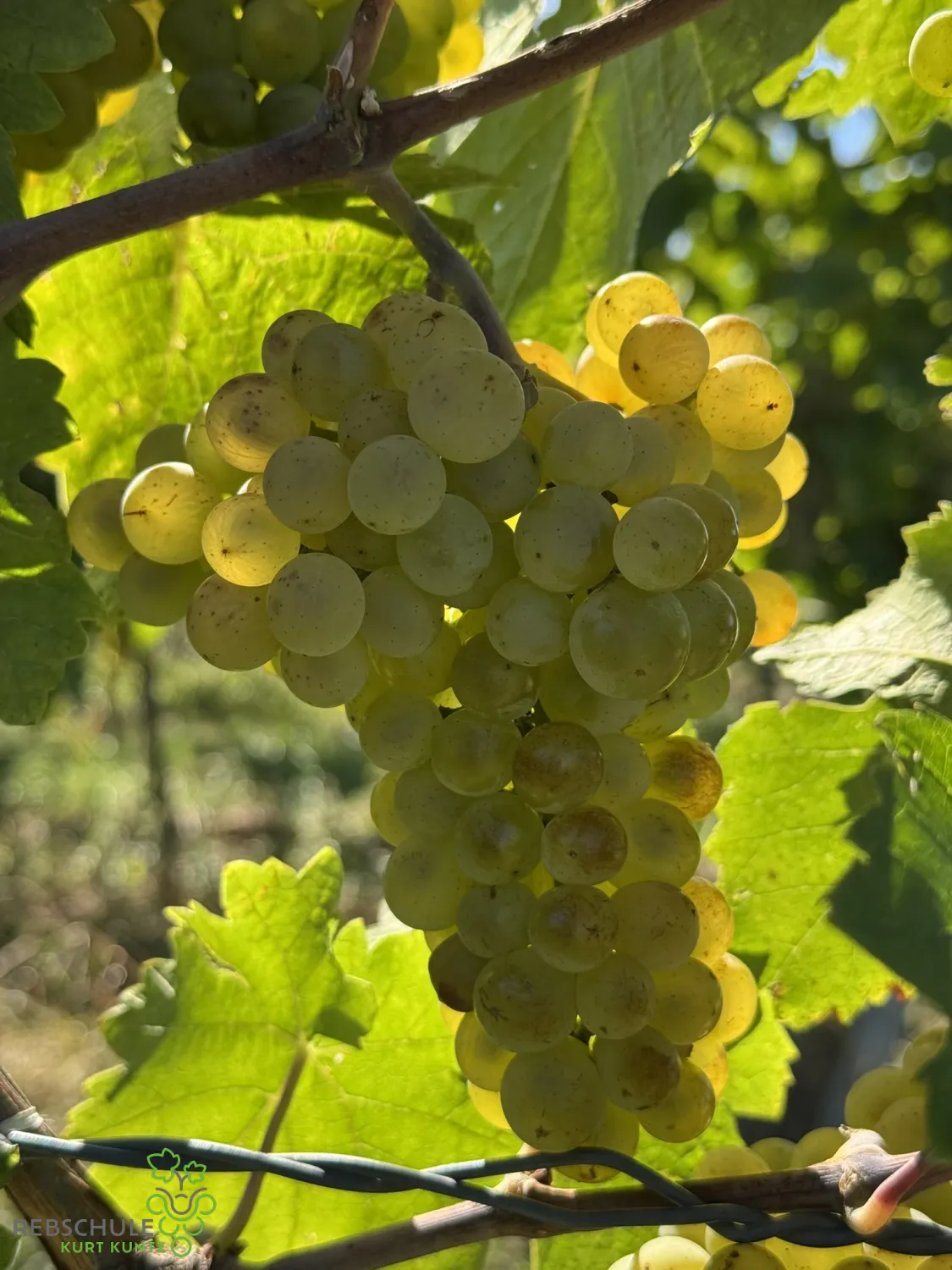
Characteristic of Pinot Blanc are medium-sized, cylindrical and mostly compact bunches that are only rarely slightly shouldered. The round to slightly oval berries have a thin, greenish-yellow skin.
Pinot Blanc clones
Geisenheim
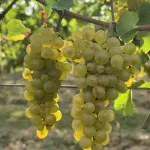
Pinot Blanc Gm 4-1
Yield mediumBunches mixed berry sizeBotrytis susceptibility low
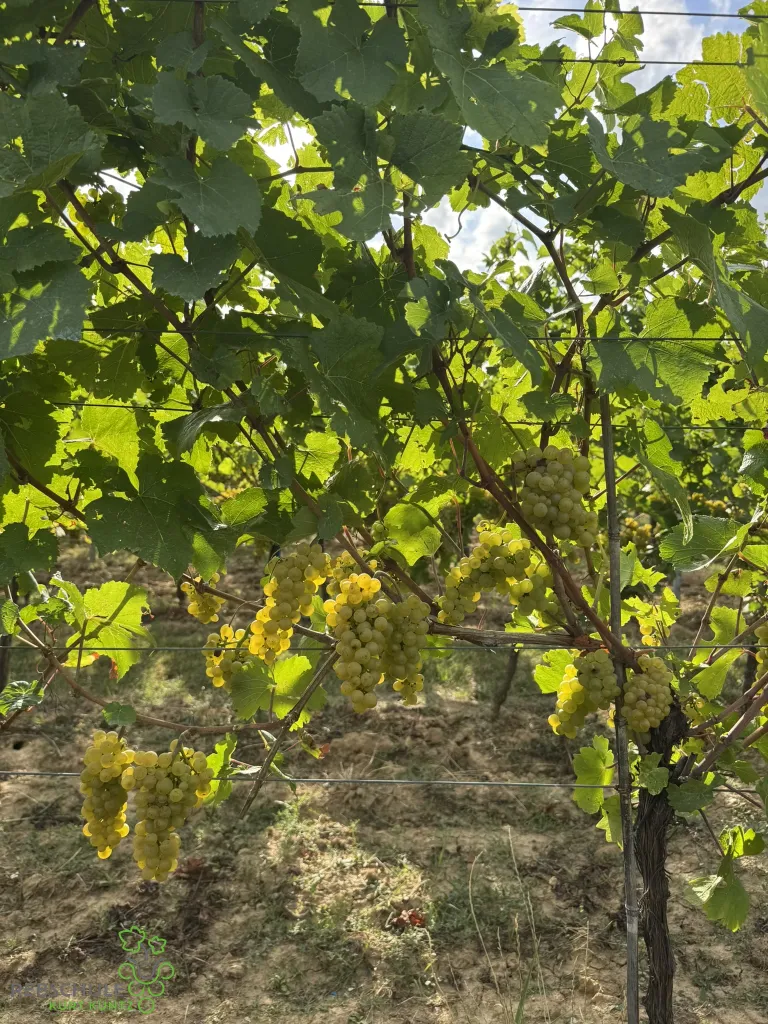
DLR-Neustadt
Freiburg
In Pinot Blanc, berry splitting can occur due to the varietally typical thin skin, advanced ripeness and warm, humid weather. A loose-berried bunch structure can reduce the risk of rot, although it does not rule out infection under unfavourable weather conditions.