Riesling

Crossing

Heunisch × Traminer × European wild grapevine (Vitis sylvestris)

Origin

The exact origin of Riesling cannot be established beyond doubt. A possible early, though unconfirmed, reference to the variety can be found as early as 1348 in Alsace under the name ‘Russeling’.

The first confirmed documentary reference to Riesling dates from 13 March 1435: in a wine cellar account belonging to the Counts of Katzenelnbogen, their steward Klaus Kleinfisch noted the purchase of Riesling vine cuttings worth 22 schillings for the planting of a new vineyard in Rüsselsheim. The original entry reads: “Item 22 ß for Riesling vine cuttings for the vineyard.” To this day, this historic invoice is regarded as the world’s oldest definitive evidence of the Riesling grape variety.

Characteristics

  • medium to late bud burst
  • late ripening
  • high drought tolerance
  • susceptible to bunch stem necrosis (BSN)
  • susceptible to Botrytis
  • susceptible to Esca
  • very good frost hardiness
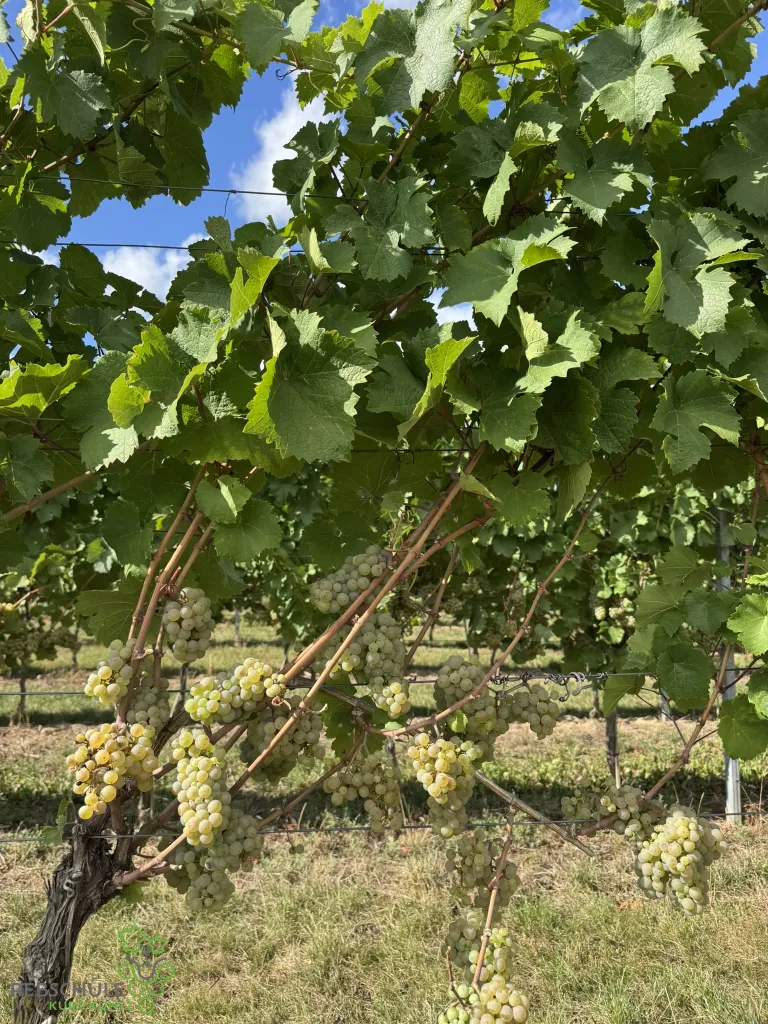
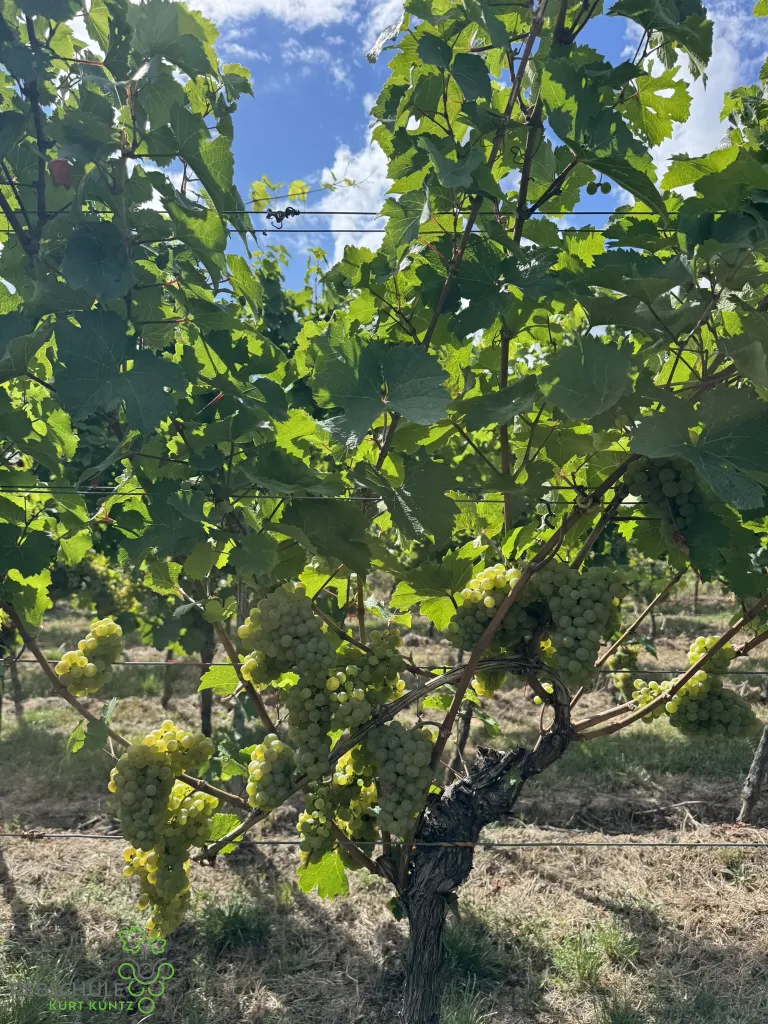
  • upright growth habit

Site requirements

Riesling is a very demanding variety in terms of its growing location. Due to its late ripening and susceptibility to stem paralysis, it favours sites where the soil and microclimate work together perfectly. Nevertheless, it is extremely drought-tolerant and is often grown on terraced and steep slopes.

Aromas

Riesling typically displays aromas of citrus, green apple, lime and a lively acidity. When vinified with the aim of producing more complex, mature Rieslings, the primary and secondary aromas diminish as the wine ages, and the ageing aromas come to the fore. Here, the acidity softens, and more mature aromas such as honey, peach and petrol come to the fore. The petrol note is caused by the aromatic compound TDN (1,1,6-trimethyl-1,2-dihydronaphthalene). Its precursors are formed from carotenoids, which accumulate in the berries particularly when exposed to intense sunlight and give them their golden-yellow colour. As the wine matures in the bottle, these precursors are gradually converted into TDN. The intensity of the petrol note is perceived differently and ranges from a ripeness aroma typical of the variety to a characteristic that is perceived as unpleasant. Appropriate defoliation of the grape canopy can help to prevent excessive TDN formation.

Bunch

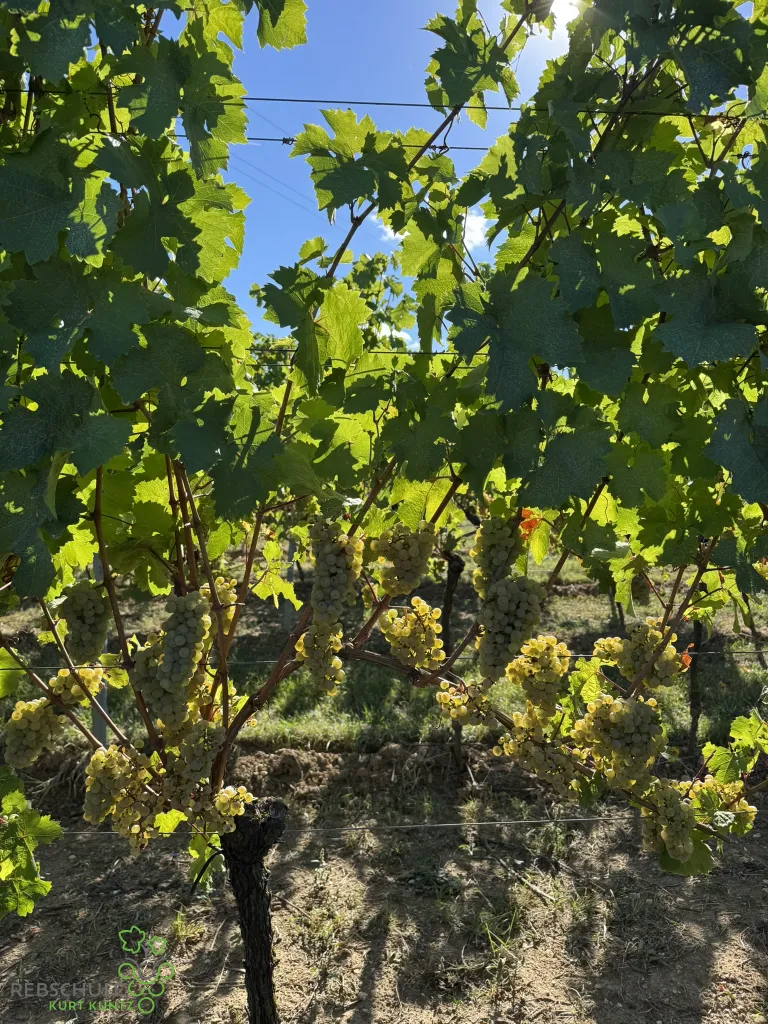
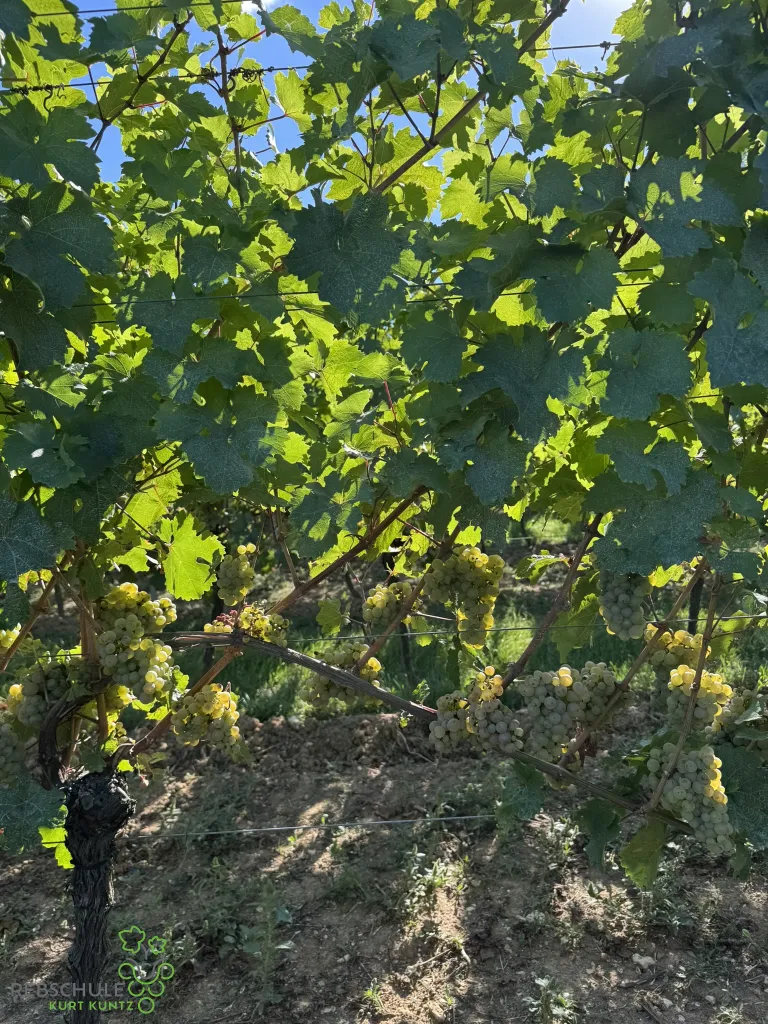
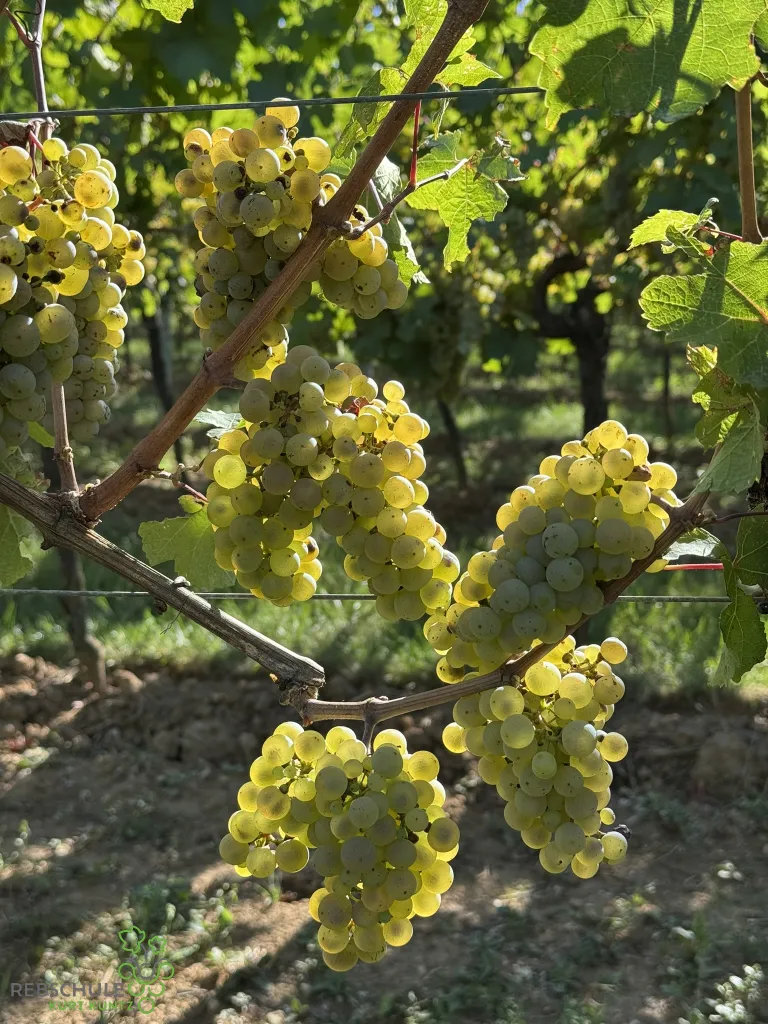
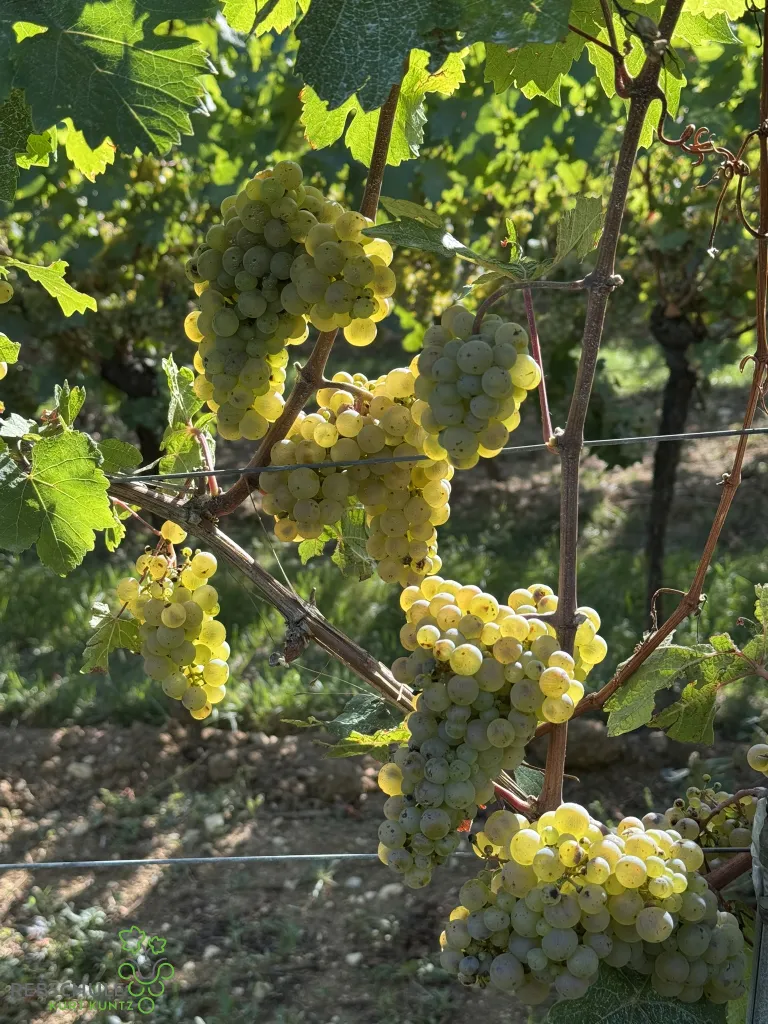
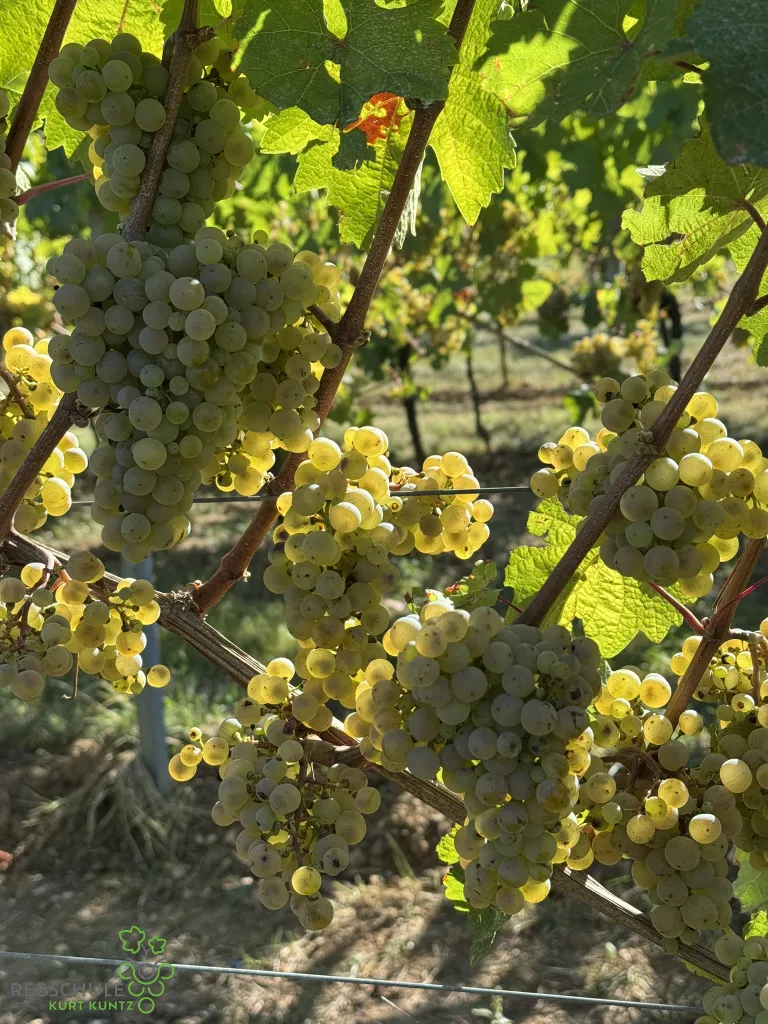
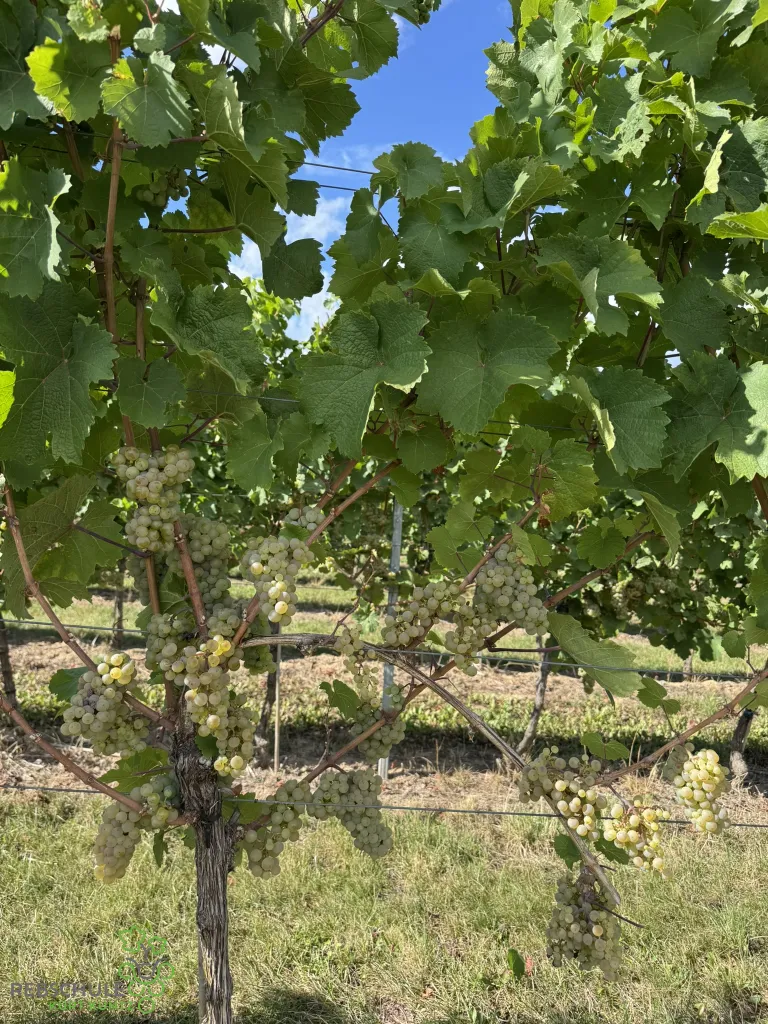
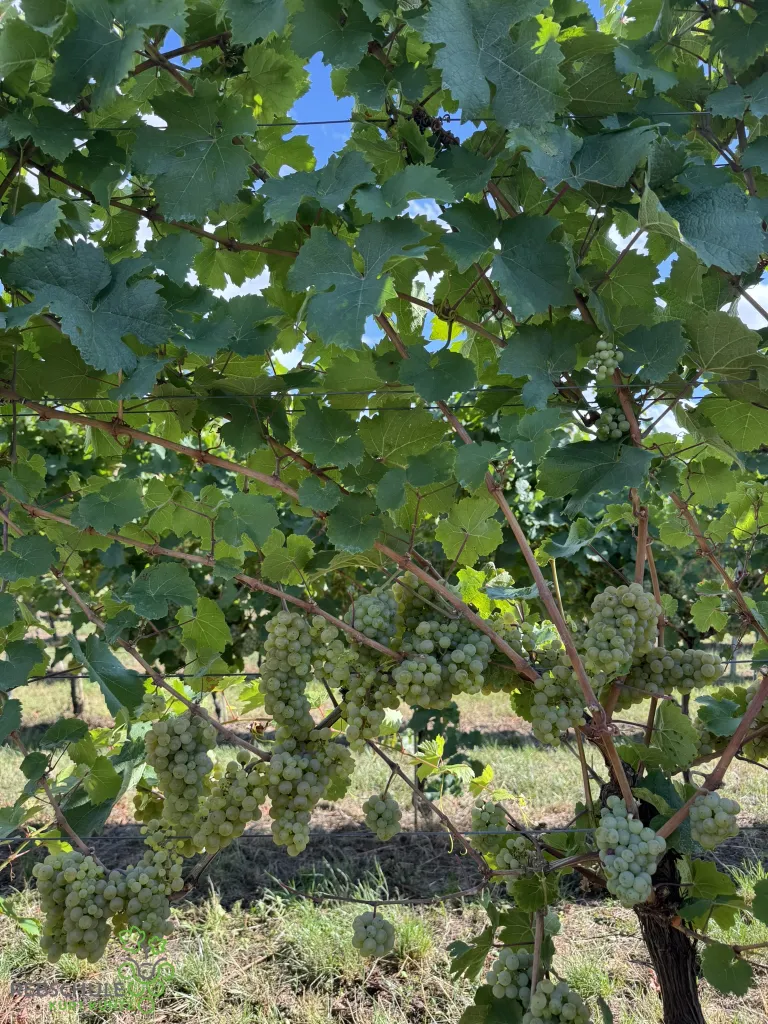
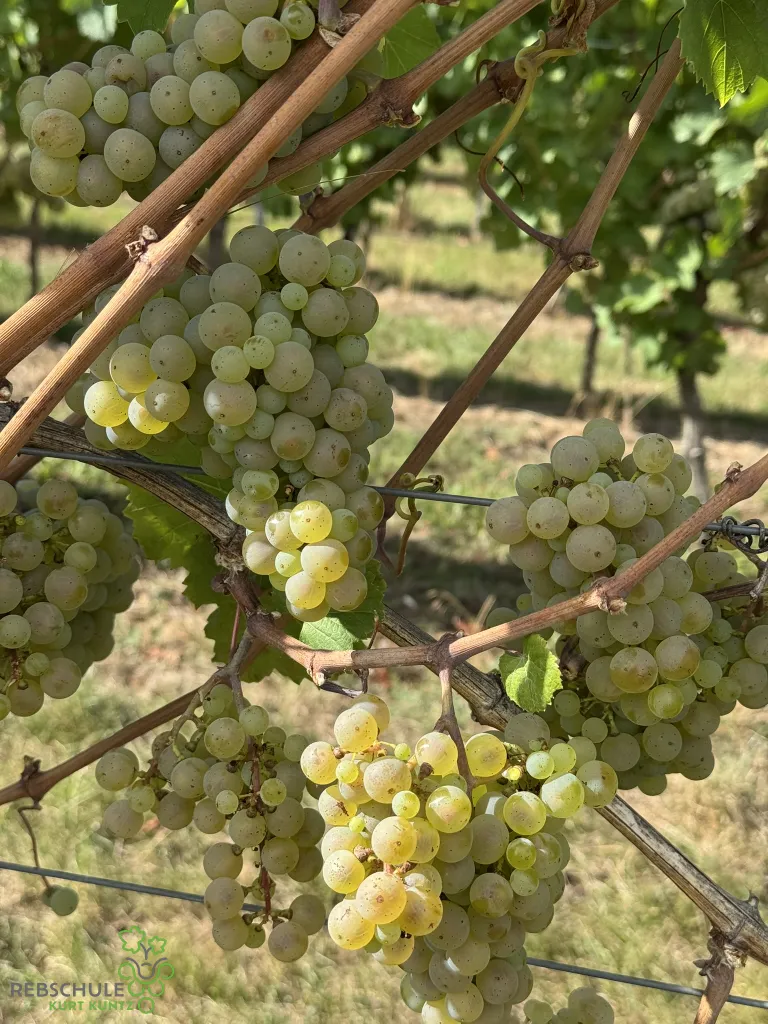
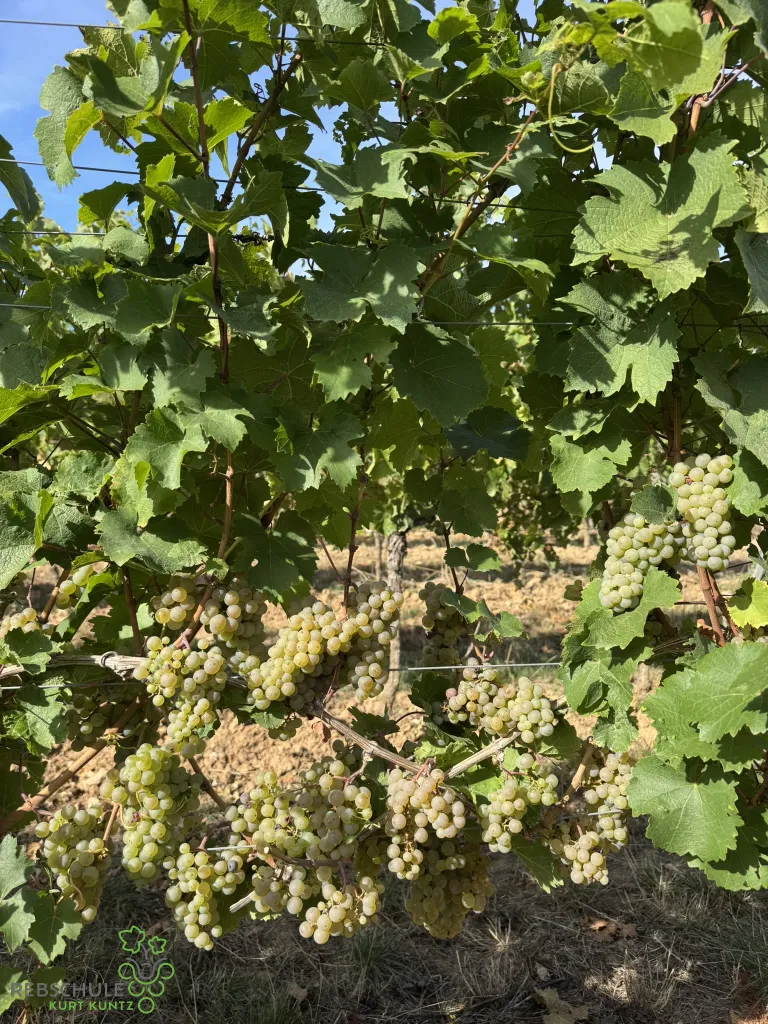
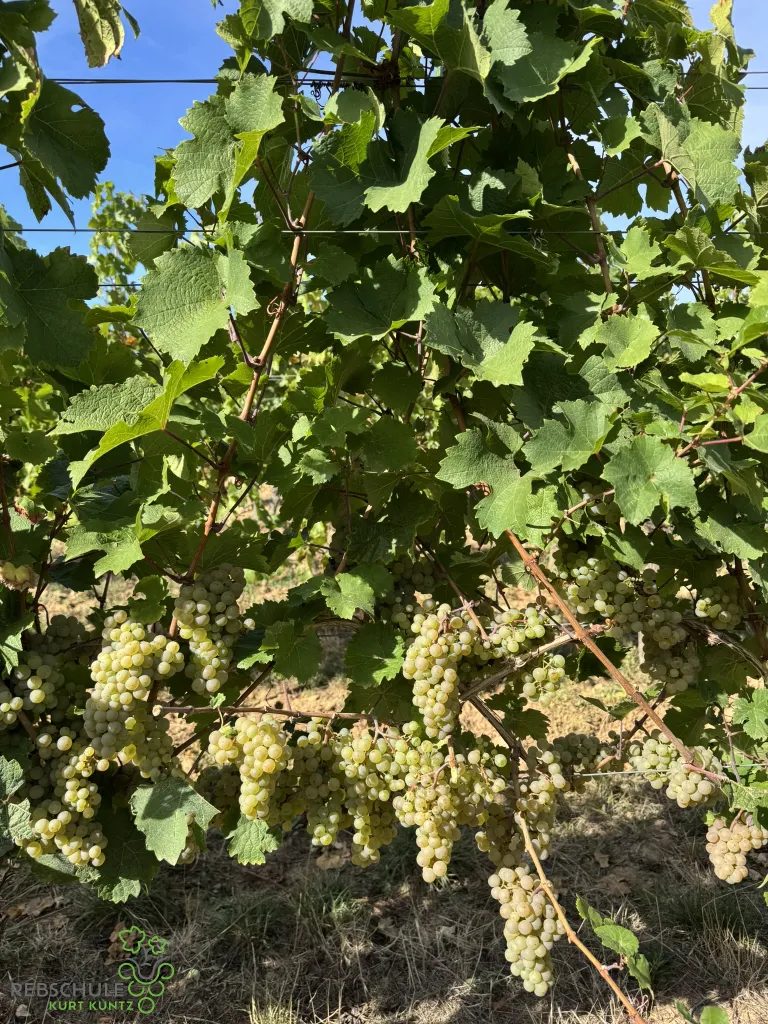
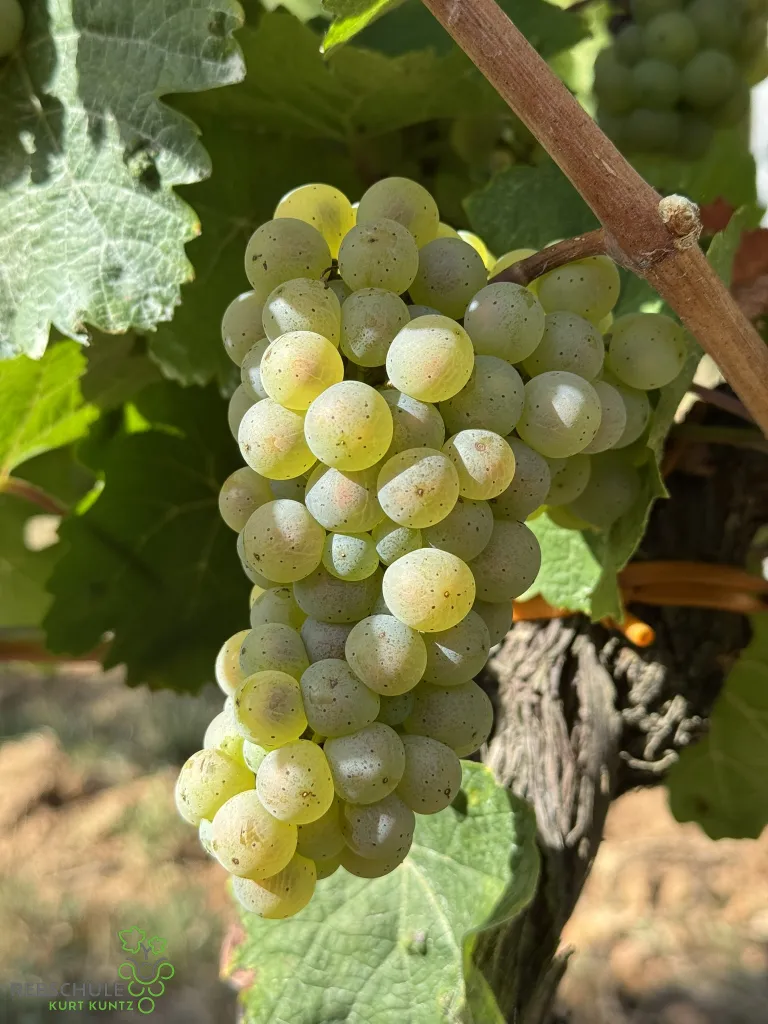
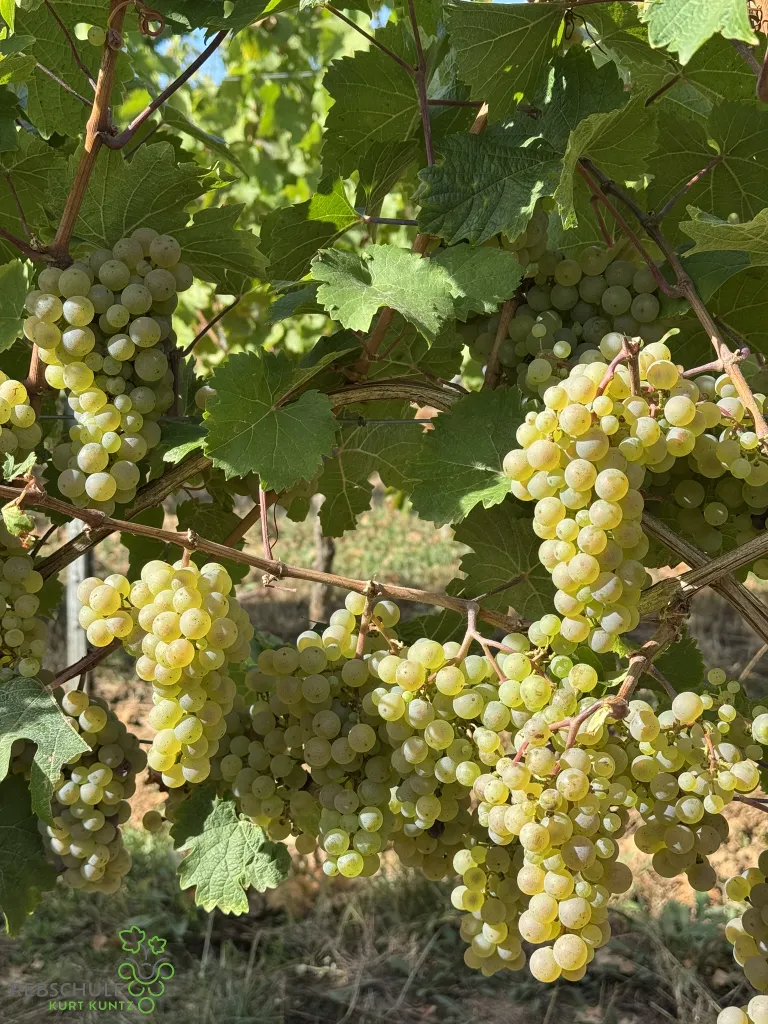
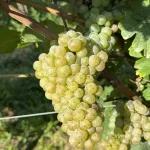
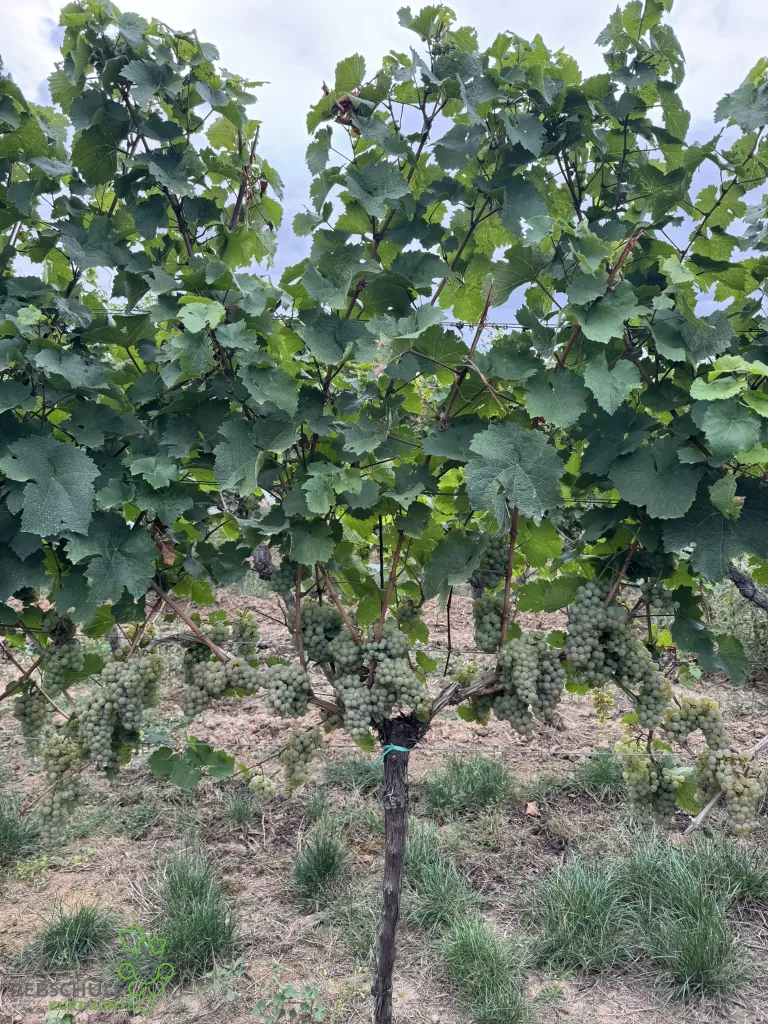
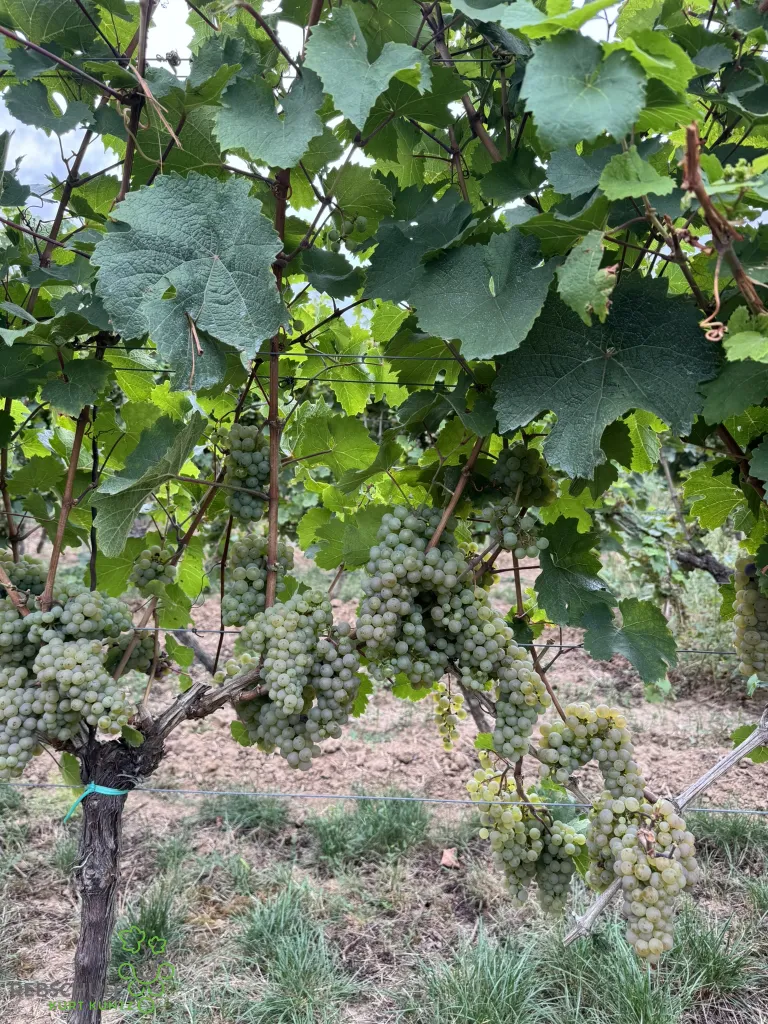
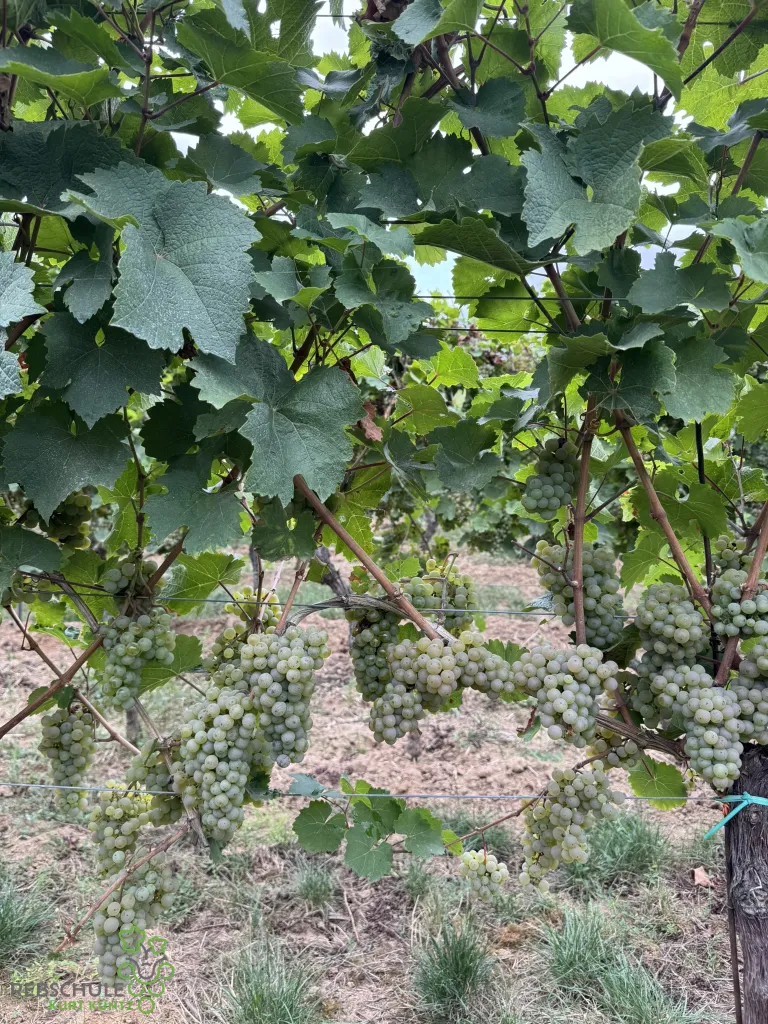
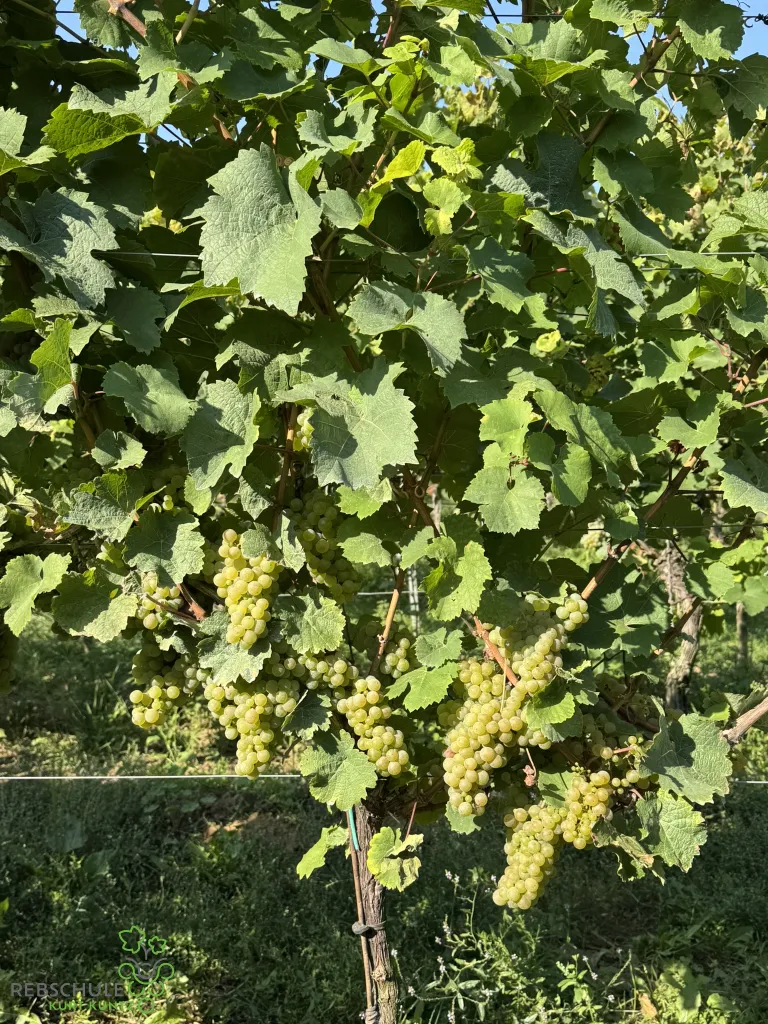
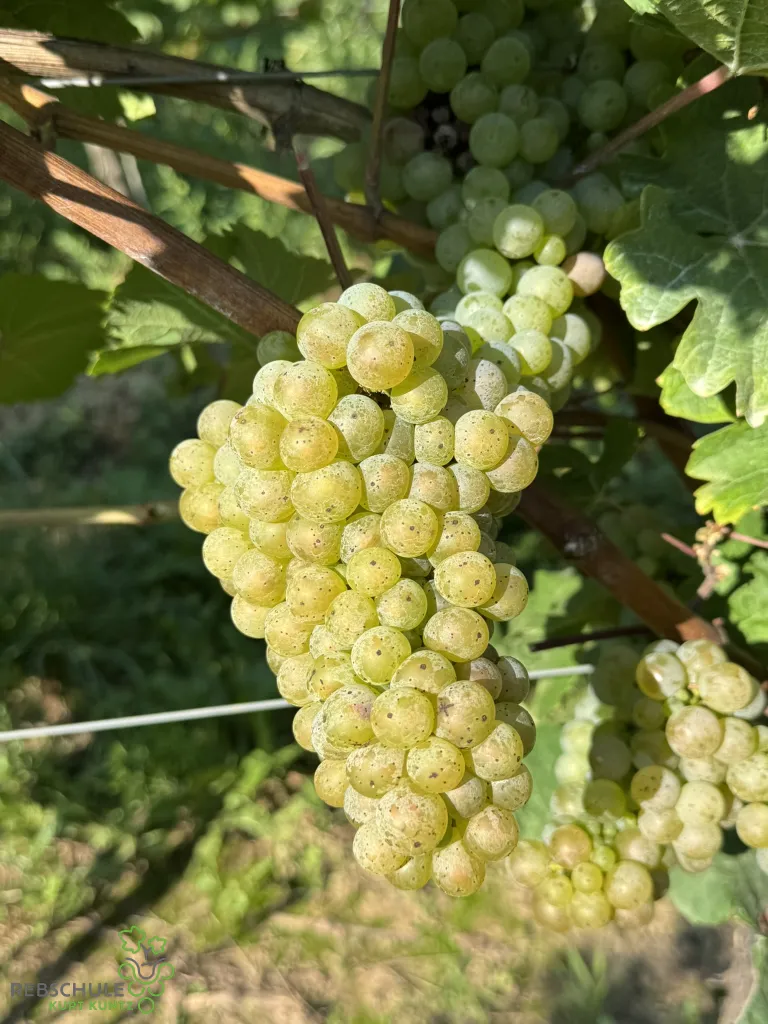
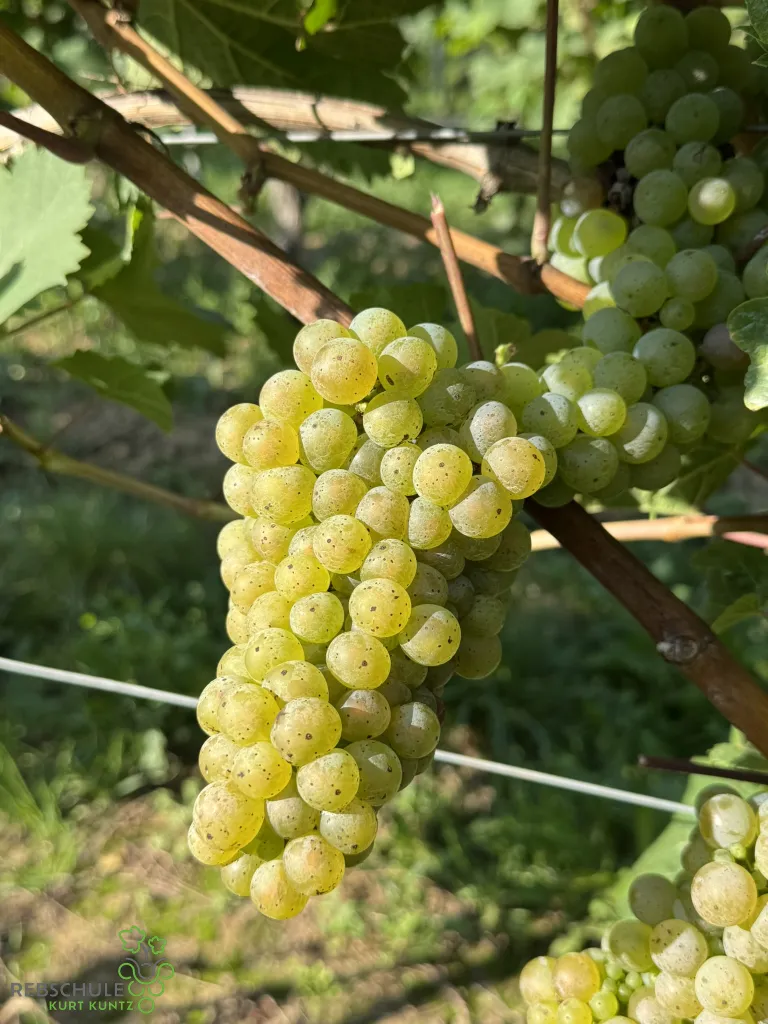
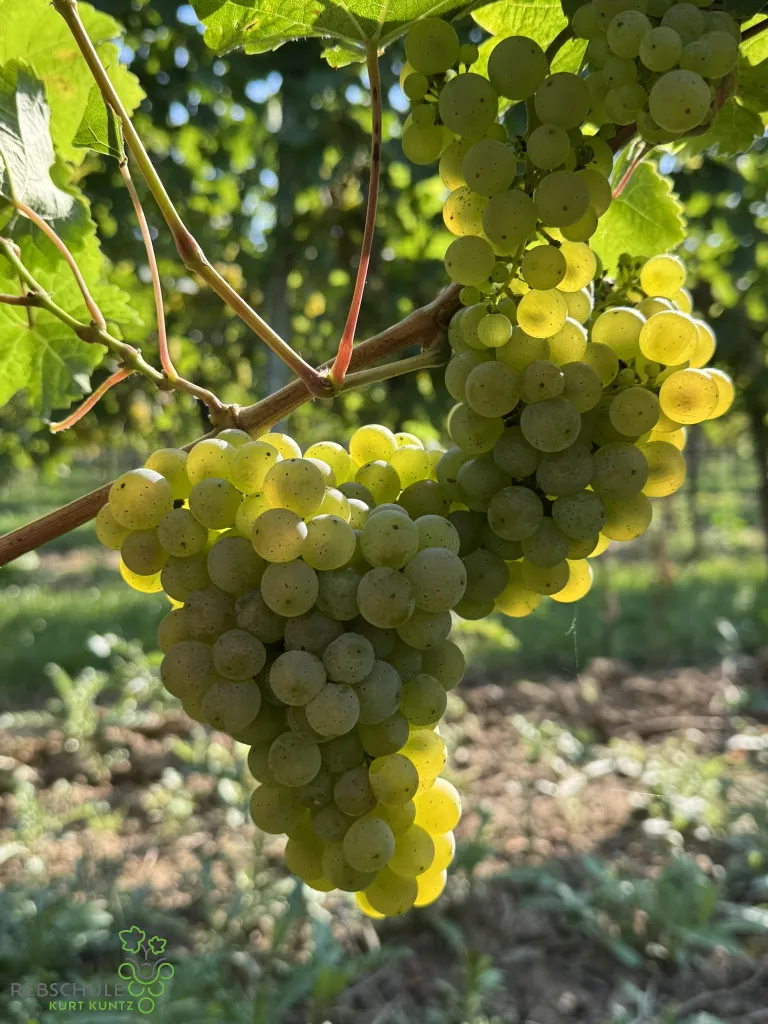
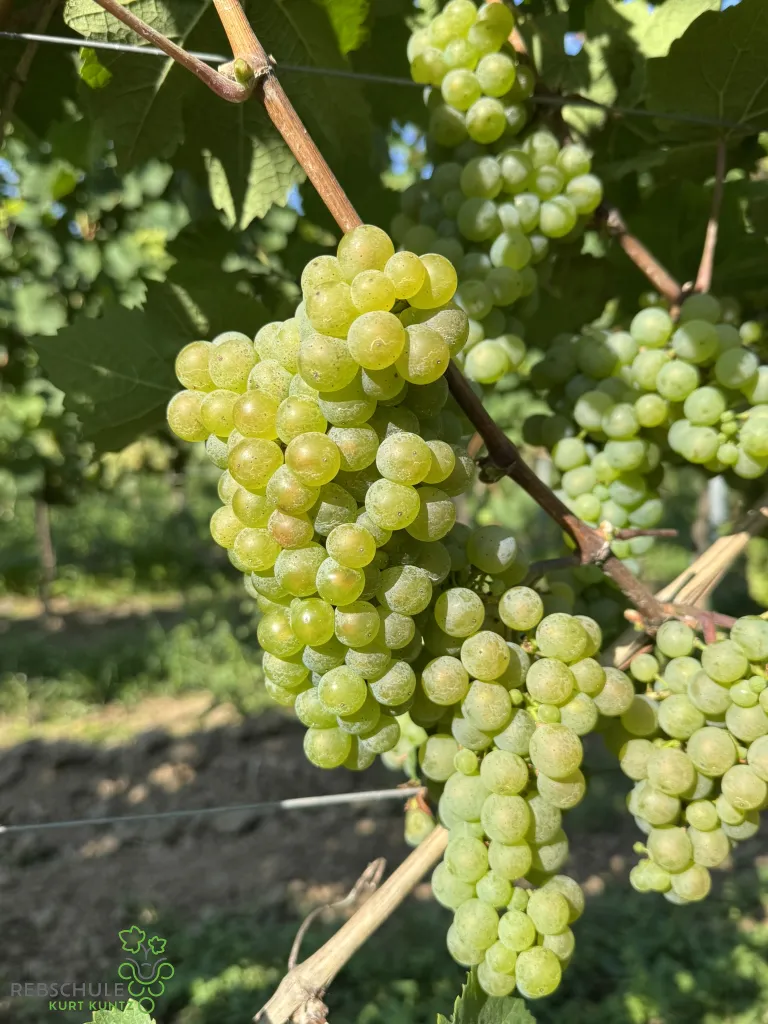
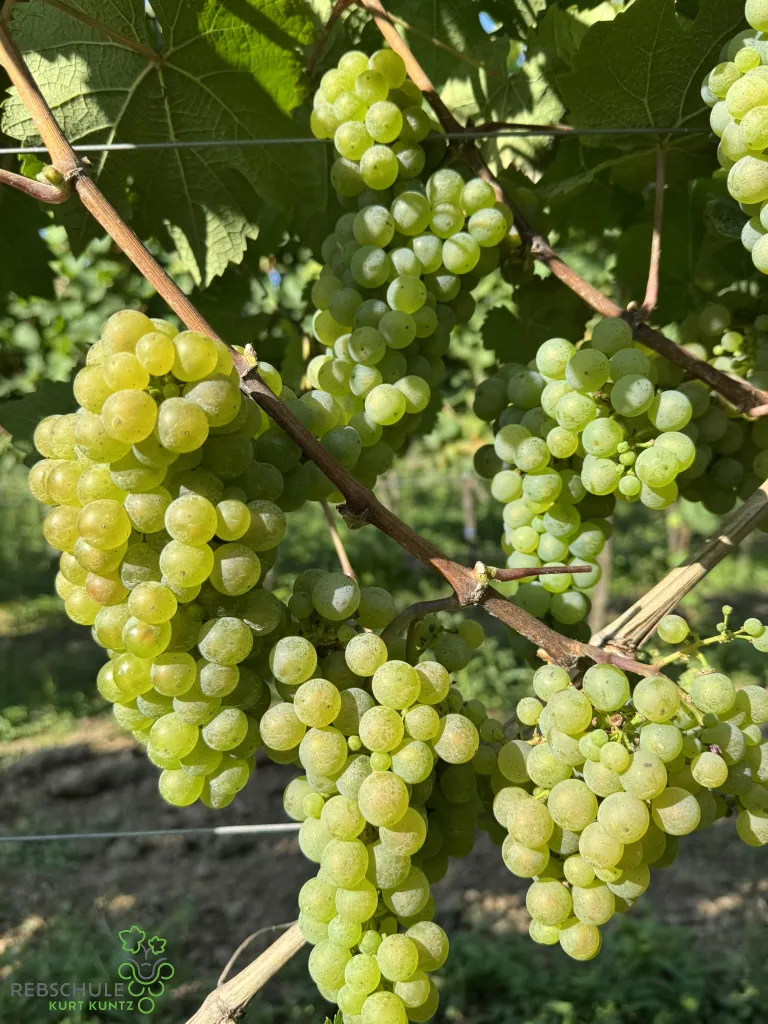
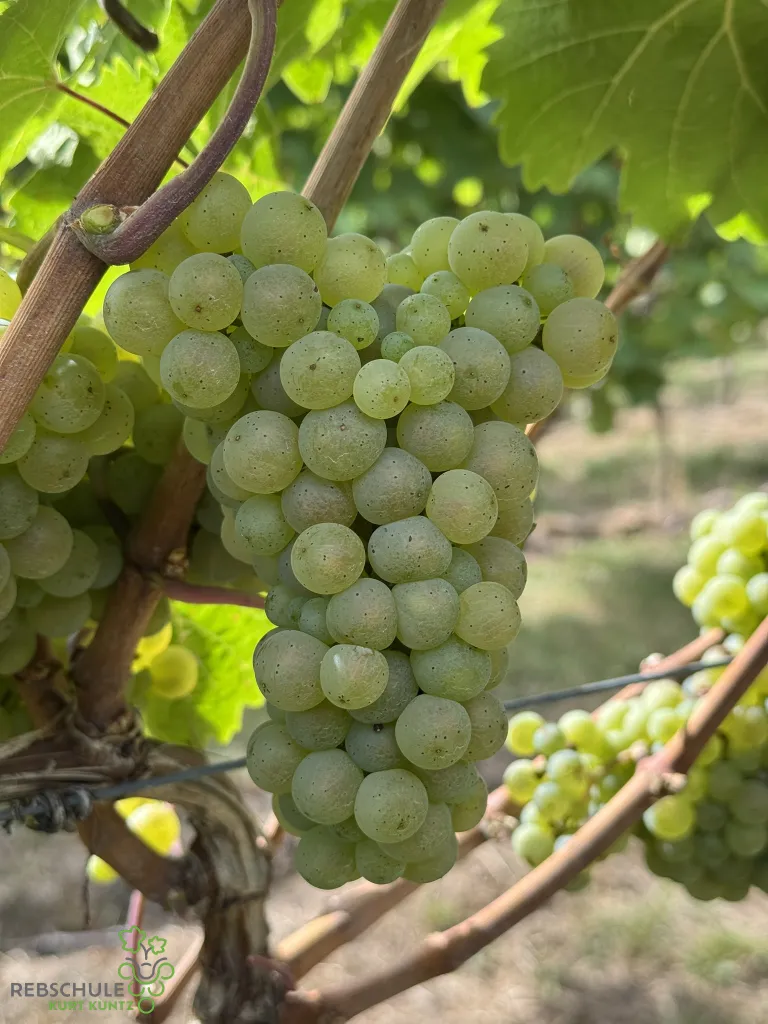
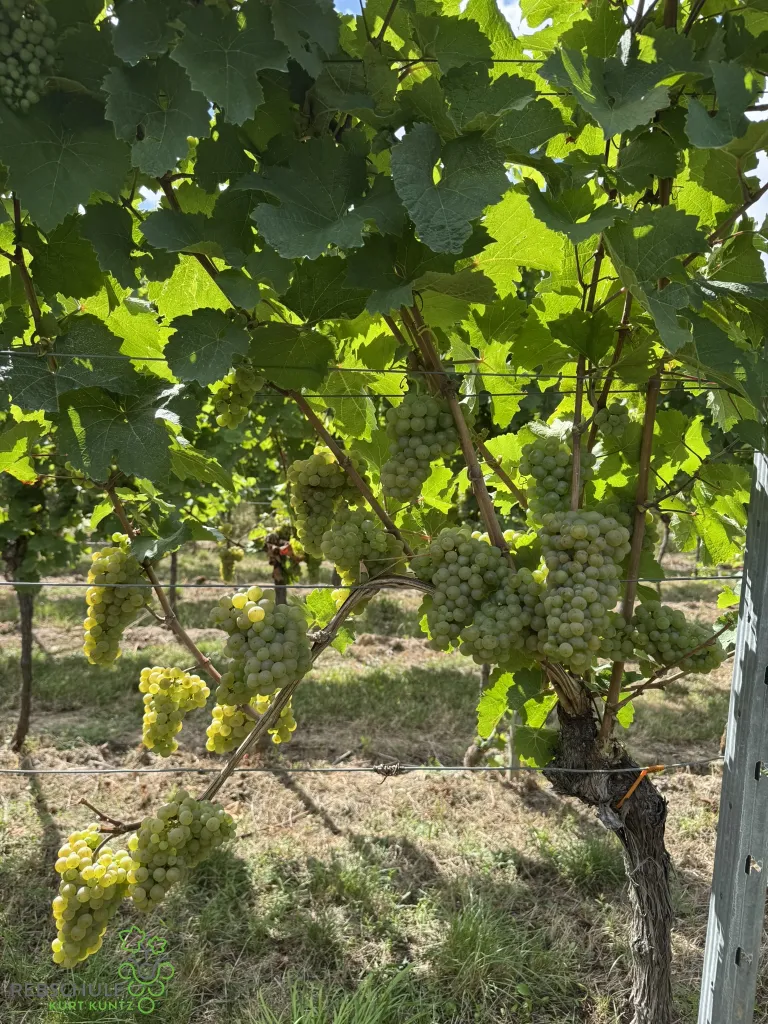
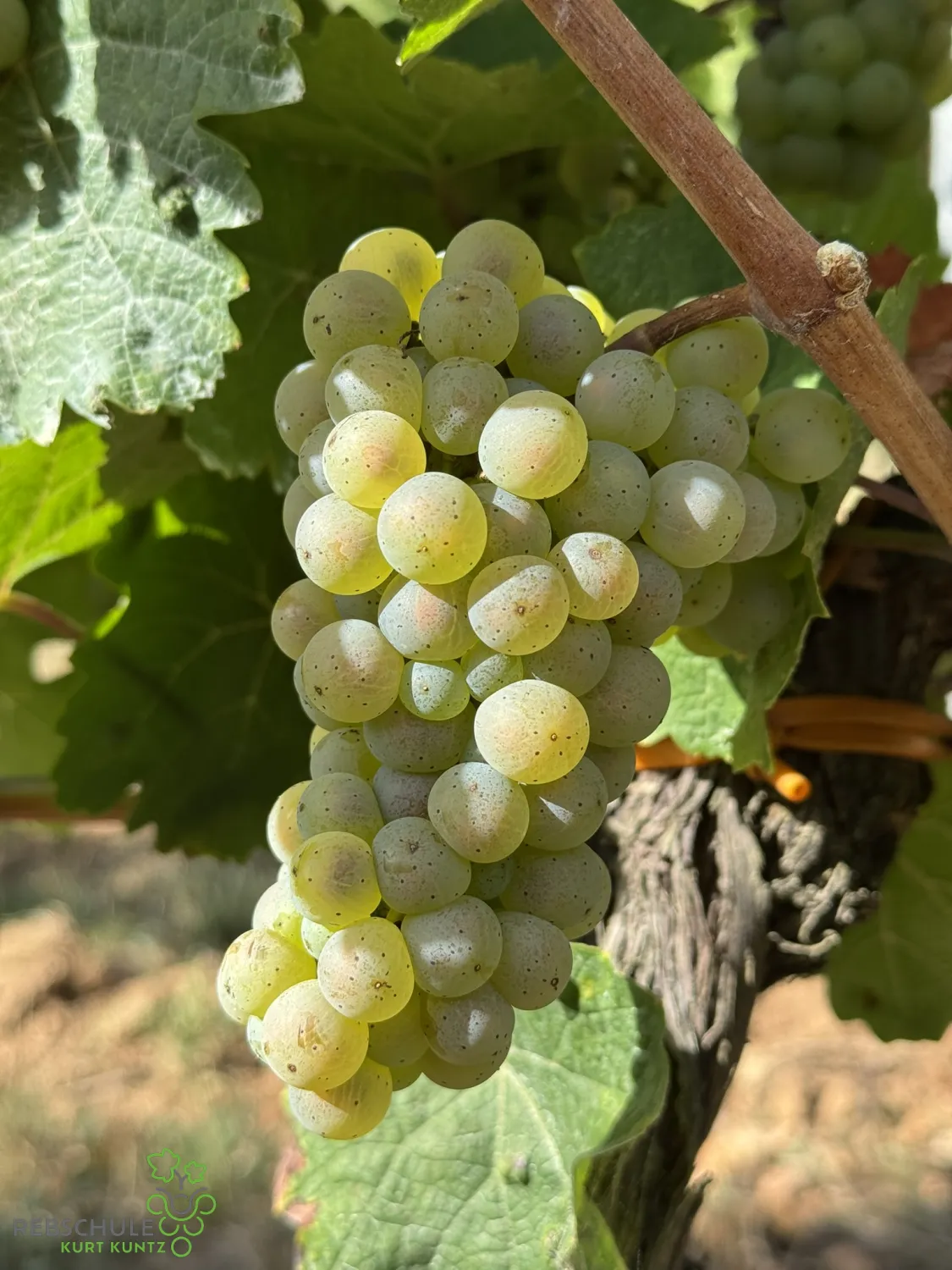
The bunches are small and tightly packed. The berries are greenish-yellow and, as they ripen, turn yellowish-brown on the side facing the sun.

Riesling clones

Geisenheim
Riesling Gm 325

Yield mediumBunches less compactBotrytis susceptibility medium
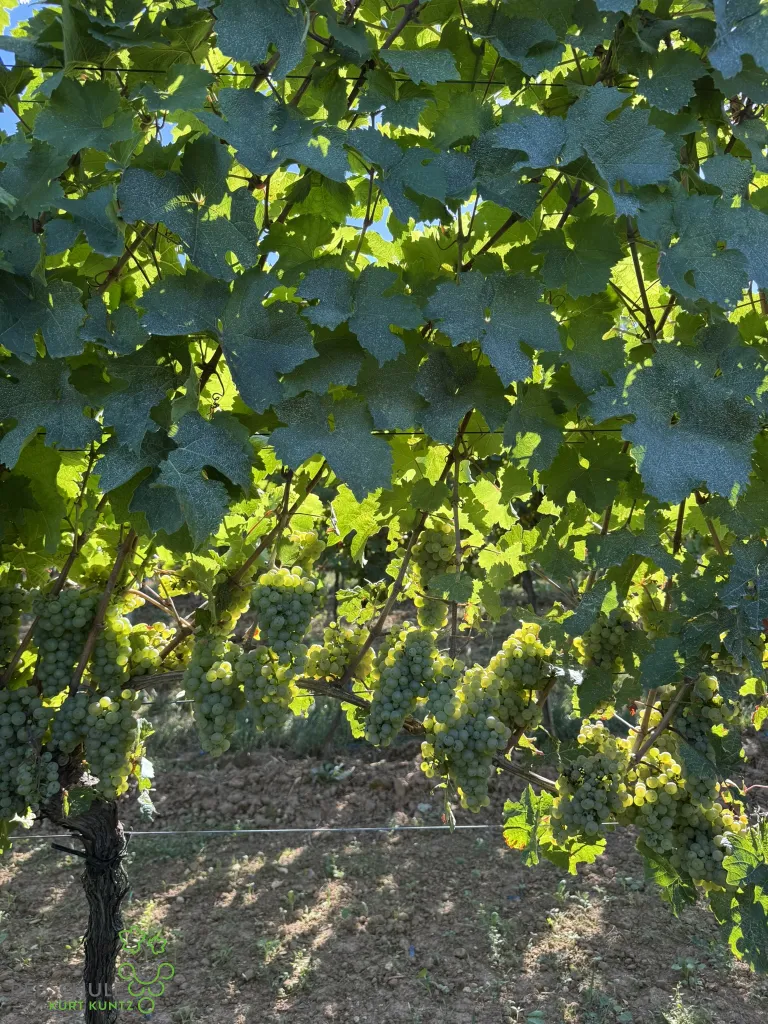
Riesling clone Gm 325 grapes on the vine
Riesling Gm 325 vine 1
Riesling Gm 325 – image 1
Riesling Gm 325 vine 2
Riesling Gm 325 – image 2
Riesling Gm 325 vine 3
Close-up of Riesling Gm 325 grapes
Riesling Gm 325 Grape 1
Riesling Gm 325 – image 3
Riesling Gm 325 Grape 2
Riesling Gm 325 – image 4
Riesling Gm 325 Grape 3
  • Must weight tends to be slightly higher compared to standard clones.
  • moderately yield-reduced clone
  • yields are higher than those of Gm 365 and Gm 355.

Riesling Gm 365

Yield mediumBunches less compactBotrytis susceptibility medium
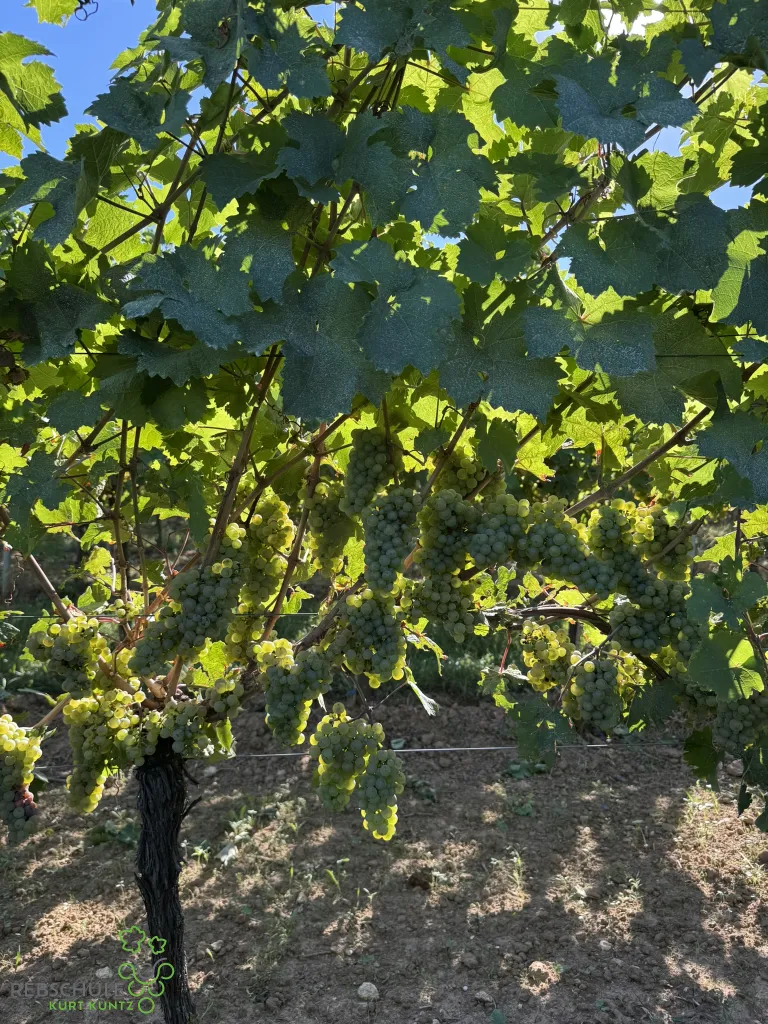
Riesling clone Gm 365 grapes on the vine
Riesling Gm 365 vine 1
Riesling Gm 365 – image 1
Riesling Gm 365 vine 2
Riesling Gm 365 – image 2
Riesling Gm 365 vine 3
Riesling Gm 365 – image 3
Riesling Gm 365 Grape 1
Riesling Gm 365 – image 4
Riesling Gm 365 vine 2
Close-up of Riesling Gm 365 grapes
Riesling Gm 365 vine 3
  • Yield: significantly reduced, between 325 and 355 Gm, but slightly closer to 325 Gm.
  • Slightly looser bunch density compared to Gm 325

Riesling Gm 355

Yield lowBunches loose-clusteredBotrytis susceptibility low
  • Premium clone
  • Yield: exceptionally low; considered the lowest-yielding clone in the Geisenheim 300 series.
  • Cluster structure: Small and loose-berried
  • Very low susceptibility to Botrytis

Riesling Gm 239-12

Yield higherBunches less compactBotrytis susceptibility medium
Riesling clone Gm 239-12 grapes on the vine
Riesling Gm 239-12 vine 1
Riesling Gm 239-12 – image 1
Riesling Gm 239-12 vine 2
Riesling Gm 239-12 – image 2
Riesling Gm 239-12 vine 3
Close-up of Riesling Gm 239-12 grapes
Riesling Gm 239-12 vine 1
  • highest terpene content across all Geisenheim Riesling clones

Riesling Gm 198-25

Yield higherBunches less compactBotrytis susceptibility medium
Riesling clone Gm 198-25 grapes on the vine
Riesling Gm 198-25 vine 1
Riesling Gm 198-25 – image 1
Riesling Gm 198-25 vine 2
Riesling Gm 198-25 – image 2
Riesling Gm 198-25 vine 1
Close-up of a Riesling Gm 198-25 grape
Riesling Gm 198-25 grape 2
  • increased terpene content, second only to the Geisenheim Gm 239 clone group.

Domäne Niederhausen

Riesling DN 500

Yield higherBunches less compactBotrytis susceptibility medium
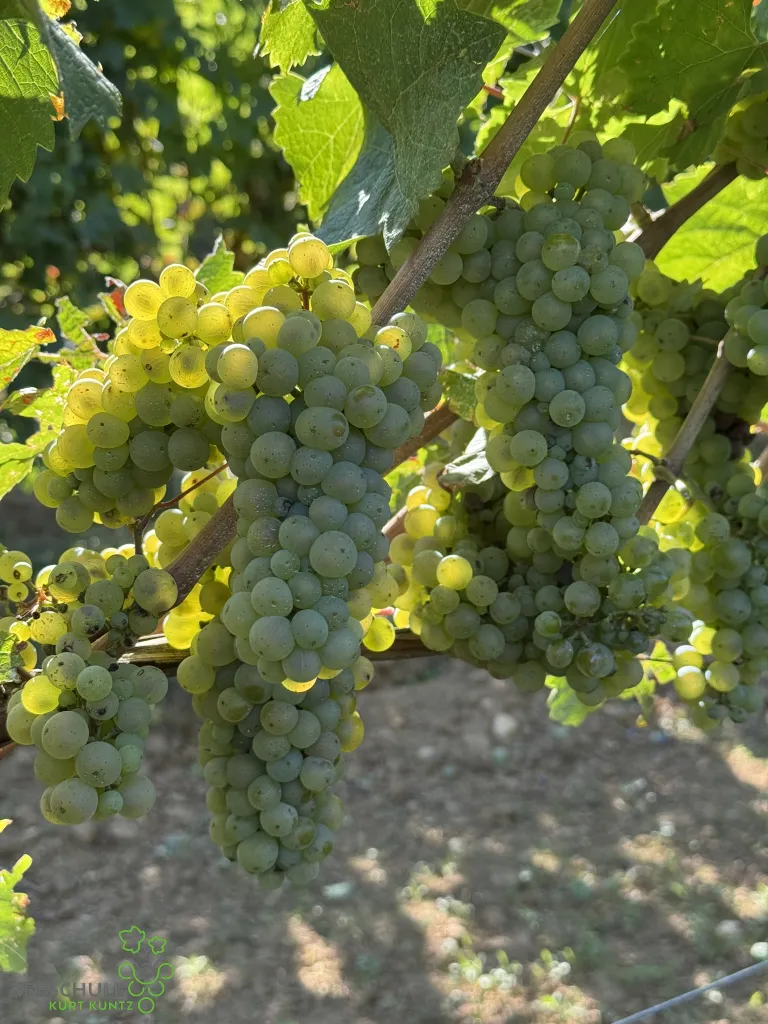
Riesling clone DN 500 grapes on the vine
Riesling DN 500 vine 1
Riesling DN 500 – image 1
Riesling DN 500 vine 2
Riesling DN 500 – image 2
Riesling DN 500 vine 3
Riesling DN 500 – image 3
Riesling DN 500 vine 4
Riesling DN 500 – image 4
Riesling DN 500 grape 1
Riesling DN 500 – image 5
Riesling DN 500 grape 2
Riesling DN 500 – image 6
Riesling DN 500 grape 3
Riesling DN 500 – image 7
Riesling DN 500 grape 4
Close-up of Riesling clone DN 500 grapes
Riesling DN 500 grape 5
  • Aromatic profile: fruity and floral notes.

Neustadt

Riesling N 90

Yield higherBunches less compactBotrytis susceptibility medium
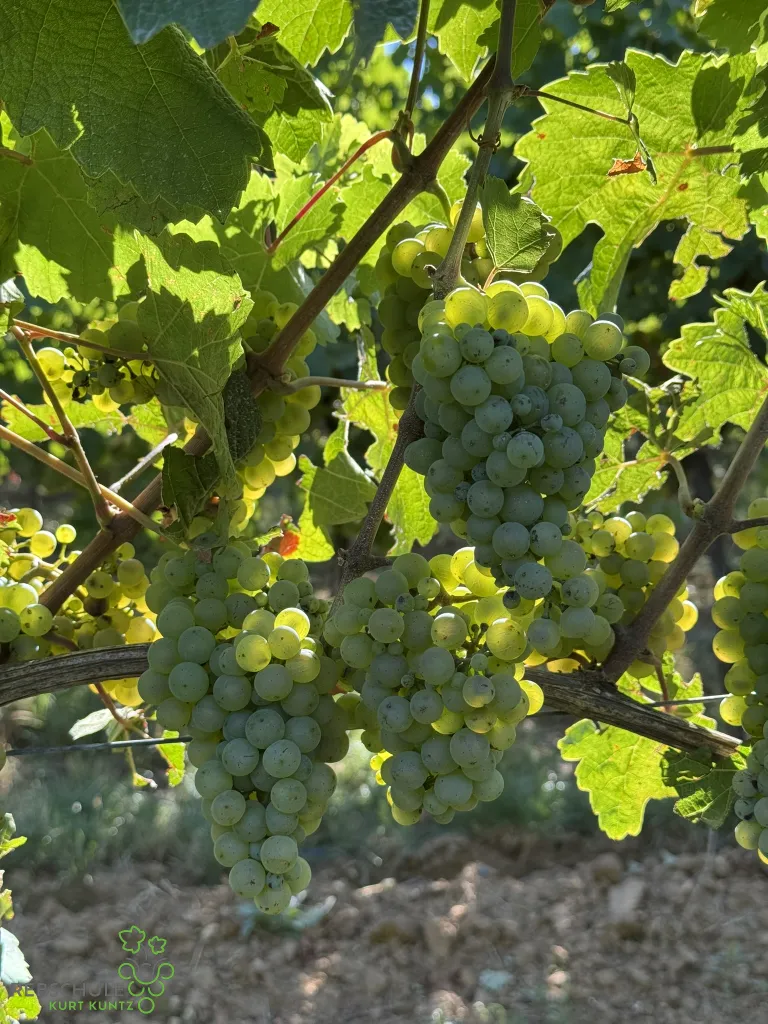
Close-up of a Riesling N 90 clone grape
Riesling N 90 grape 1
Riesling N 90 – image 1
Riesling N 90 grape 2
Riesling clone N 90 grapes on the vine
Riesling N 90 vine 1
Riesling N 90 – image 2
Riesling N 90 vine 2
Riesling N 90 – image 3
Riesling N 90 vine 3
  • reduced tendency to develop petrol notes.
  • delicately fruity aromatic profile.

In Riesling, a loose cluster structure does not necessarily guarantee lower susceptibility to rot; under warm, humid conditions at advanced ripeness, berry splitting can cause sudden Botrytis outbreaks. To date, no clone has proven permanently resistant to rot, indicating a dominant cultivar-specific susceptibility.