Silvaner

Crossing
Traminer x Österreichisch Weiß
Synonyms: Sylvaner, Österreicher
Origin
Evidence of its cultivation along the Upper Rhine and Lake Constance dates back as far as the 15th century. In the 17th century, Silvaner arrived in Franconia from the Danube region, where its planting was first documented in Castell on 10 April 1659. Due to its origin, it was also known in Germany for a long time under the name “Österreicher”. As early as 1665, Abbot Alberich Degen of Ebrach Abbey had Silvaner planted on the Würzburger Stein, contributing significantly to its spread in Franconia. Up until the 1970s, Silvaner was Germany’s most important grape variety, accounting for over 30% of the total vineyard area. Although its planted area has declined considerably since then, Silvaner remains one of the defining white wine varieties today, particularly in Franconia and Rheinhessen.
Characteristics
- medium budburst
- late ripening
- medium to high vigour
- rather compact bunches
- firm berry skin
- tendency towards higher yields
- susceptible to winter frost due to moderate wood maturity
Site requirements
Silvaner makes moderate demands on vineyard site quality, though it prefers fertile, deep and well-drained soils with a good water and nutrient supply. Calcareous sites in particular produce complex, aromatic and long-lived wines. Dry or shallow sites can significantly impair shoot growth and reduce wine quality. Because Silvaner exhibits moderate winter frost hardiness and its wood maturity is not always optimal, sufficiently sheltered sites are preferable.
Aromas
Silvaner ranks among the more subtly aromatic grape varieties. Yield level, soil and vineyard site have a decisive influence on the resulting wine style. While high yields frequently lead to rather lean and neutral wines, moderate yields and optimal grape ripeness produce full-bodied, complex wines with a fine acid structure. The aromatic spectrum ranges from quince, green apple and gooseberry to fresh herbs, subtle hay and spice notes. Depending on soil and vinification, Silvaner can appear both delicate and elegant as well as rich, creamy and spicy. Wines matured in stainless steel tanks present themselves as fresh and linear, whereas maturation in oak casks lends the wines additional body, structure and complexity.
Bunch
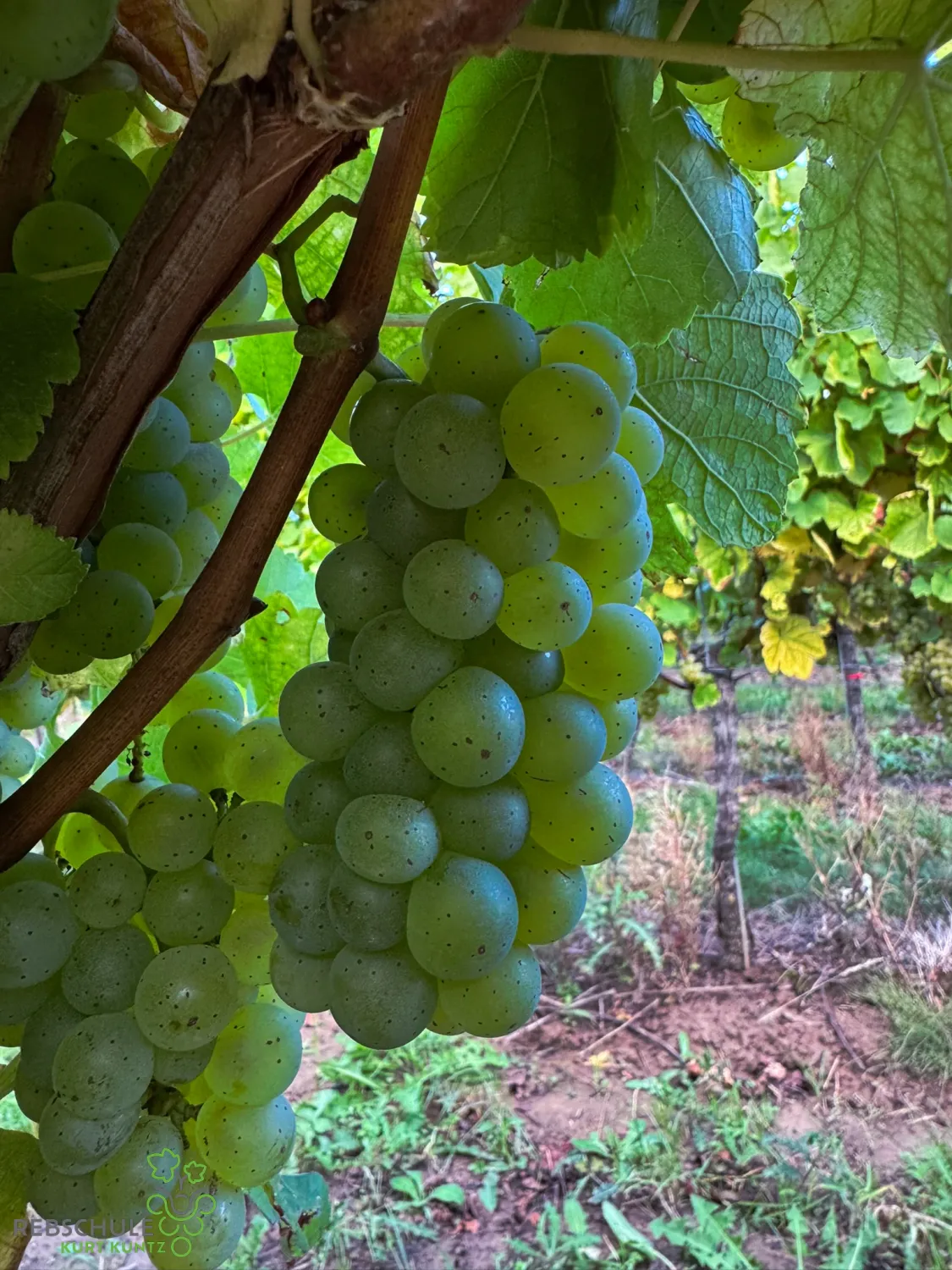
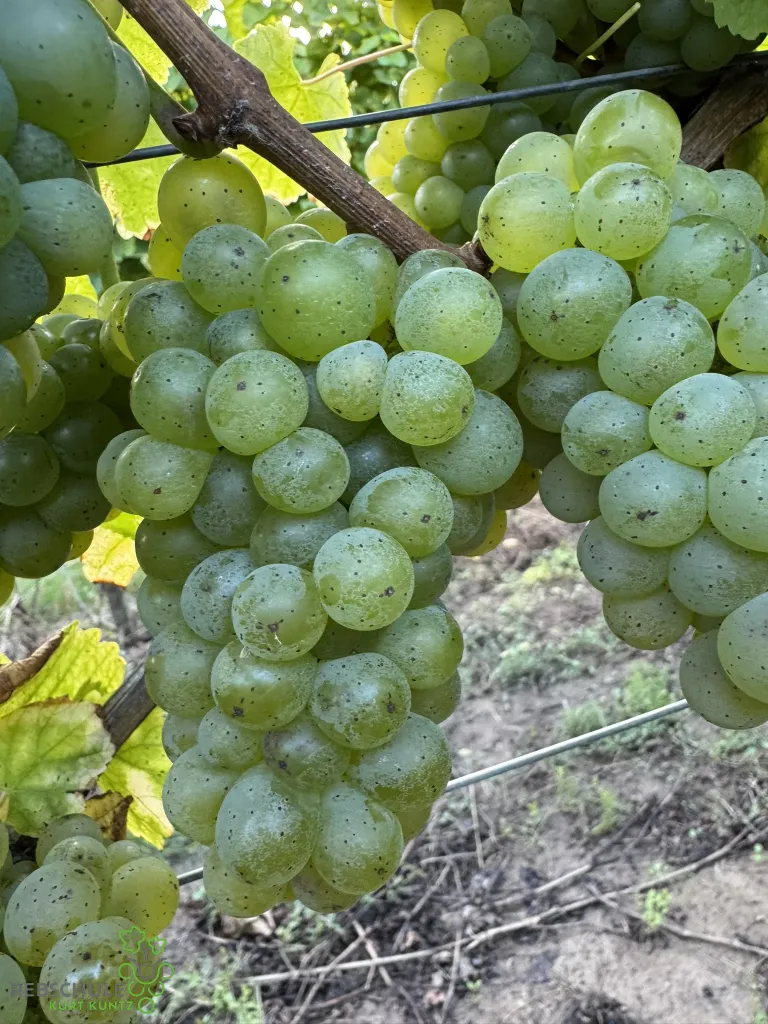
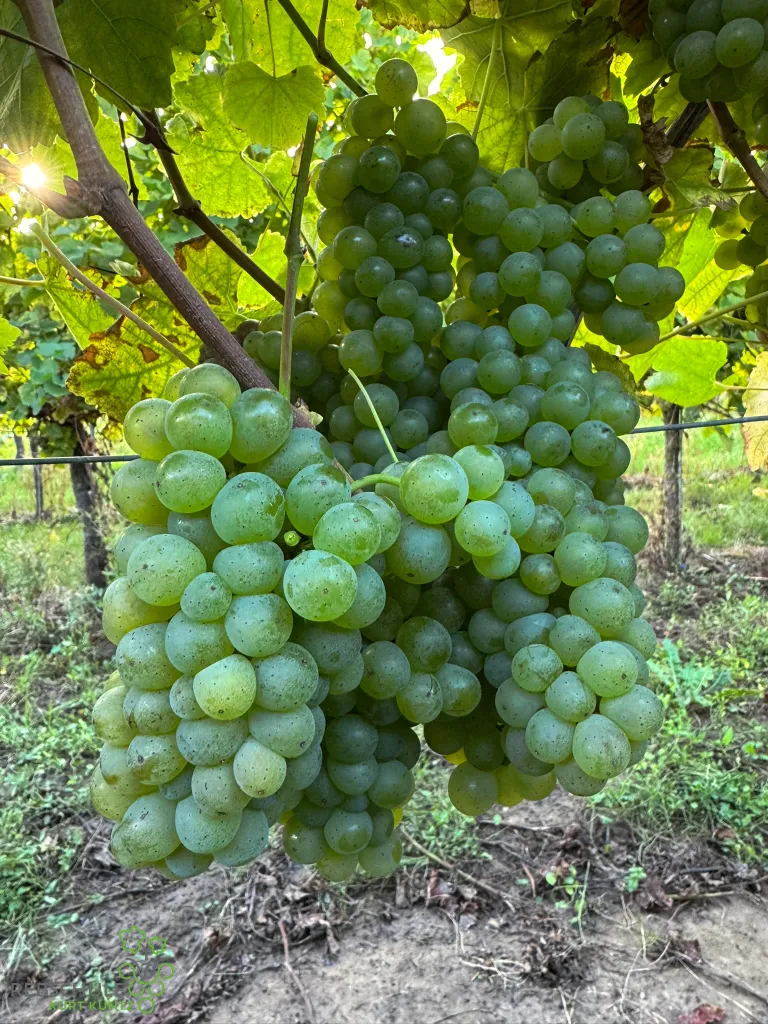
Silvaner bunches are medium-sized, predominantly cylindrical and compact in structure, and only rarely slightly shouldered. The roundish, green-yellow berries have a firm berry skin and develop the brown spots typical of the variety as ripening progresses. Due to its comparatively firm skin, Silvaner has low susceptibility to sour rot.
Links/Downloads
Silvaner clones
Weinsberg

Silvaner We 88
Yield mediumBunches compactBotrytis susceptibility low to medium
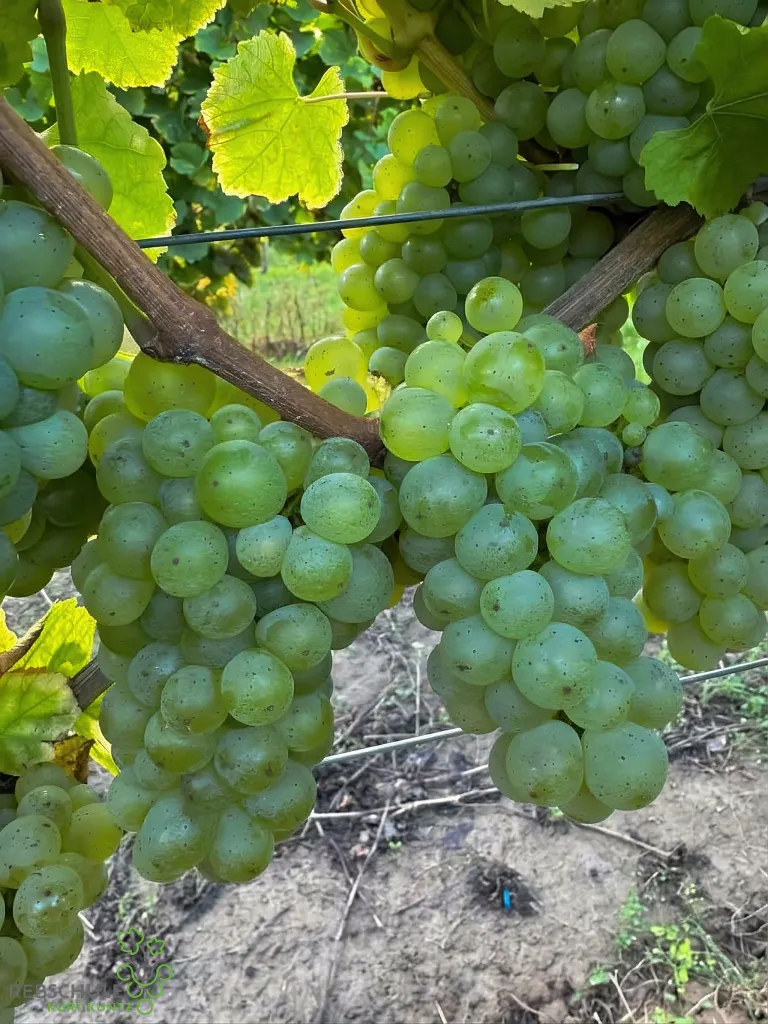
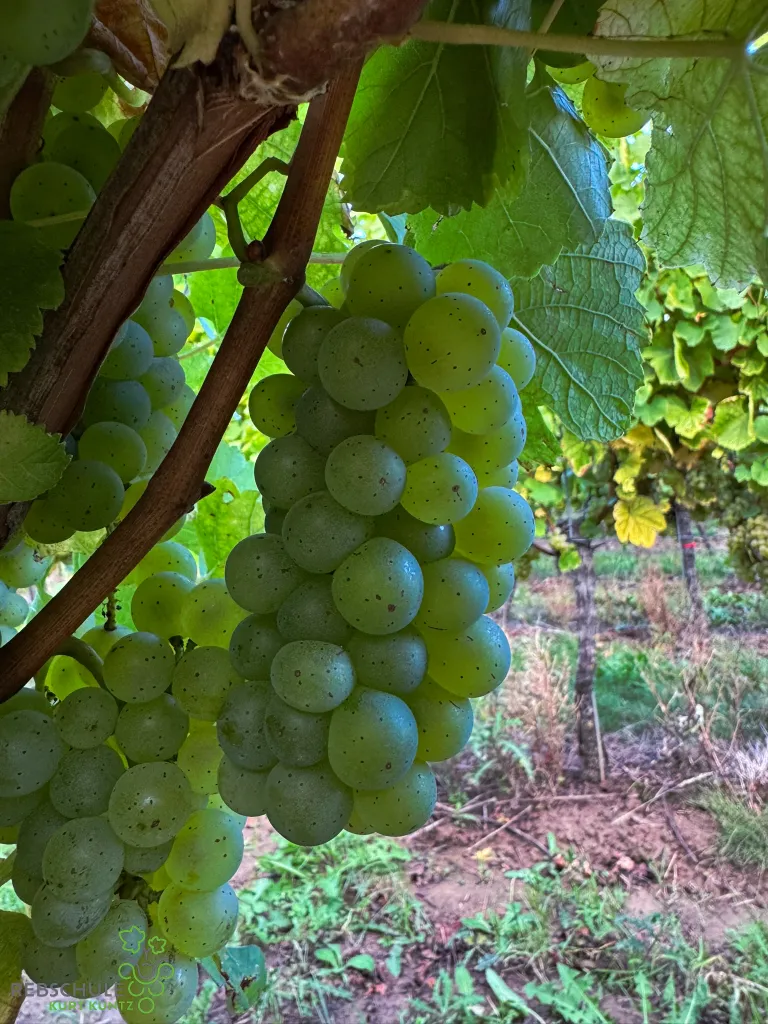

- Quality clone
- Selection from We 89
Slightly smaller bunches and berries
Slightly lower yields
Less susceptible to Botrytis