Solaris PIWI

Crossing
Merzling x Gm 6493 [Zarya Severa x Muscat Ottonel]
Origin
Solaris was bred in 1975 by Norbert Becker at the State Viticultural Institute Freiburg (Staatliches Weinbauinstitut Freiburg). It originated from a cross between the fungus-resistant grape variety Merzling and the breeding line Gm 6493, and was initially maintained under the breeding line number FR 240-75. Gm 6493 traces back to a cross made in 1964 by the Czechoslovakian grapevine breeder Vilém Kraus. Solaris has held plant variety protection since 2001.
Characteristics
- early budburst
- very early ripening
- susceptible to late frost
- very good winter hardiness
- large leaves
- spreading, less upright growth habit
- very good basal bud fertility
Site requirements
Solaris makes low demands on vineyard site quality. Owing to its very early ripening and ability to achieve high must weights, it is also well suited to cooler sites and less favourable viticultural locations. For this reason, it is particularly popular in northern wine-growing regions such as England and Scandinavia, where late-ripening grape varieties often do not ripen reliably. However, its early budburst increases the risk of late frost.
Aromas
Solaris produces fruity, fragrant and full-bodied wines with finely integrated acidity. Typical aromas include gooseberry, citrus fruits and elderflower, which, depending on ripeness, can be complemented by notes of lychee, pineapple, peach and mirabelle plum. Depending on harvest timing and vinification, the wines present themselves as fresh and fruit-driven, or rich and full-bodied. Skin contact prior to pressing and cool fermentation allow the fruitiness to be further accentuated. Owing to its high natural sugar levels, Solaris is particularly well suited to off-dry and noble-sweet wine styles.
Bunch
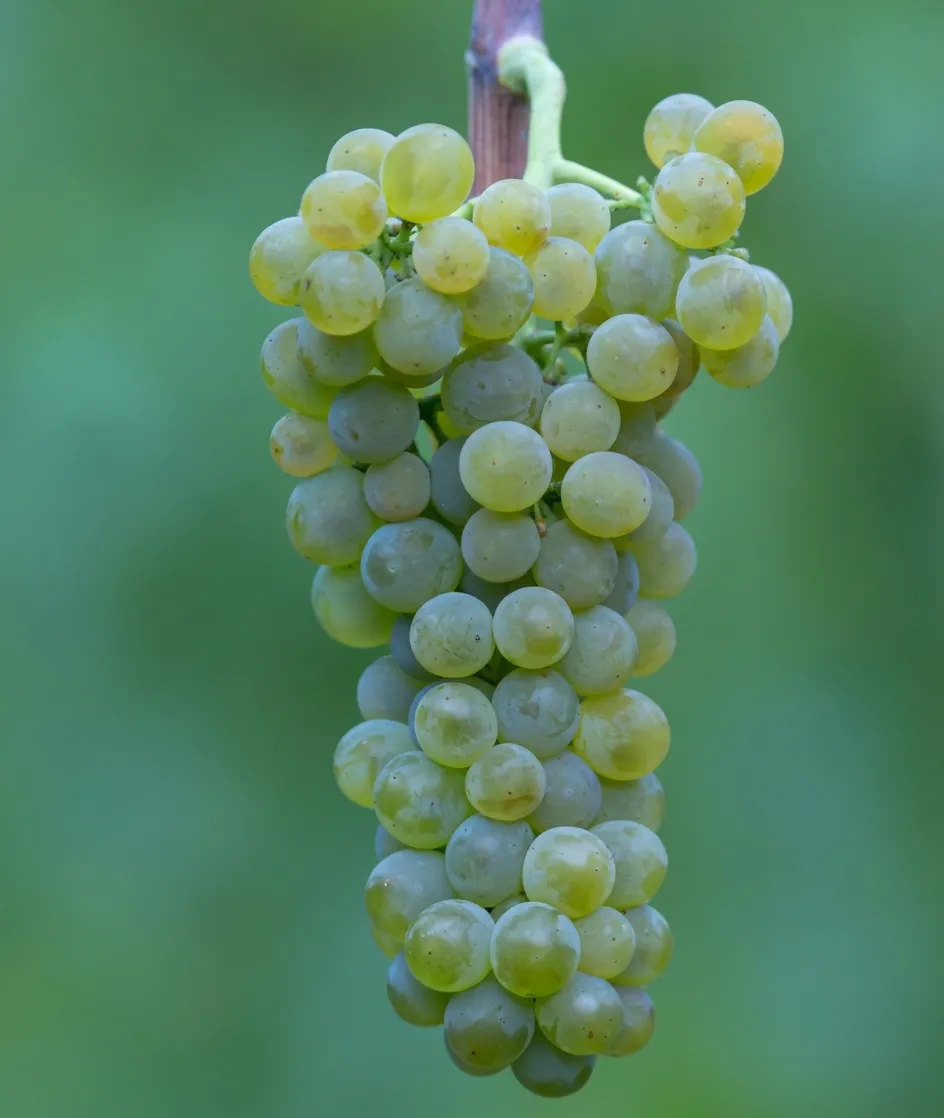
Solaris bunches are medium-sized, barely shouldered and loose to moderately compact in structure. The small to medium-sized berries are yellow-green in colour, turning yellowish to golden-yellow as ripening progresses.
Disease resistance
- Downy mildew (Plasmopara viticola)3/4Resistance loci: Rpv3.3, Rpv10
- Powdery mildew (Oidium)2/4Resistance loci: Ren3, Ren9
- Botrytis2/4
- Black rot (Guignardia bidwelliiResistance loci: Rgb1
To counteract the development of resistant fungal strains and safeguard the cultivar's resistance over the long term, three targeted plant protection treatments are recommended. Optimal treatment windows occur primarily around flowering, adjusted according to weather conditions and prevailing disease pressure.
Solaris PIWI clones
Freiburg

Solaris PIWI FR 360
Yield mediumBunches Loose to medium - denseBotrytis susceptibility low
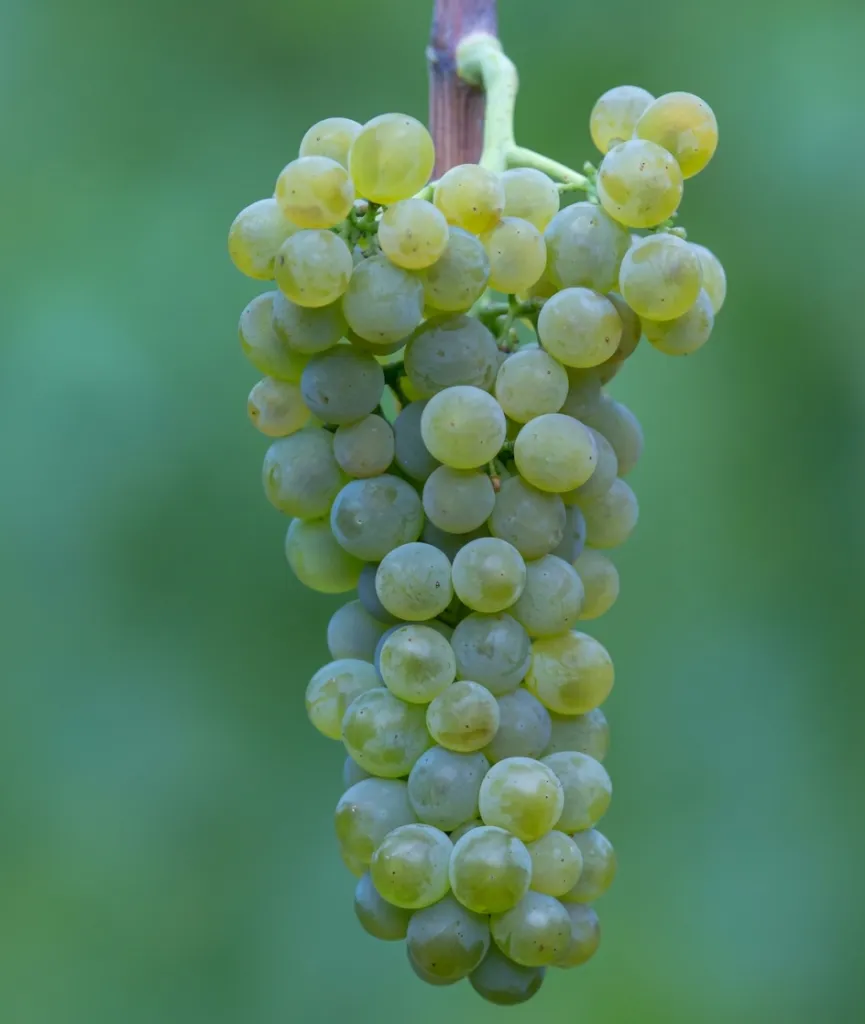
- WBI Freiburg (Variety image, Solaris PIWI FR 360)