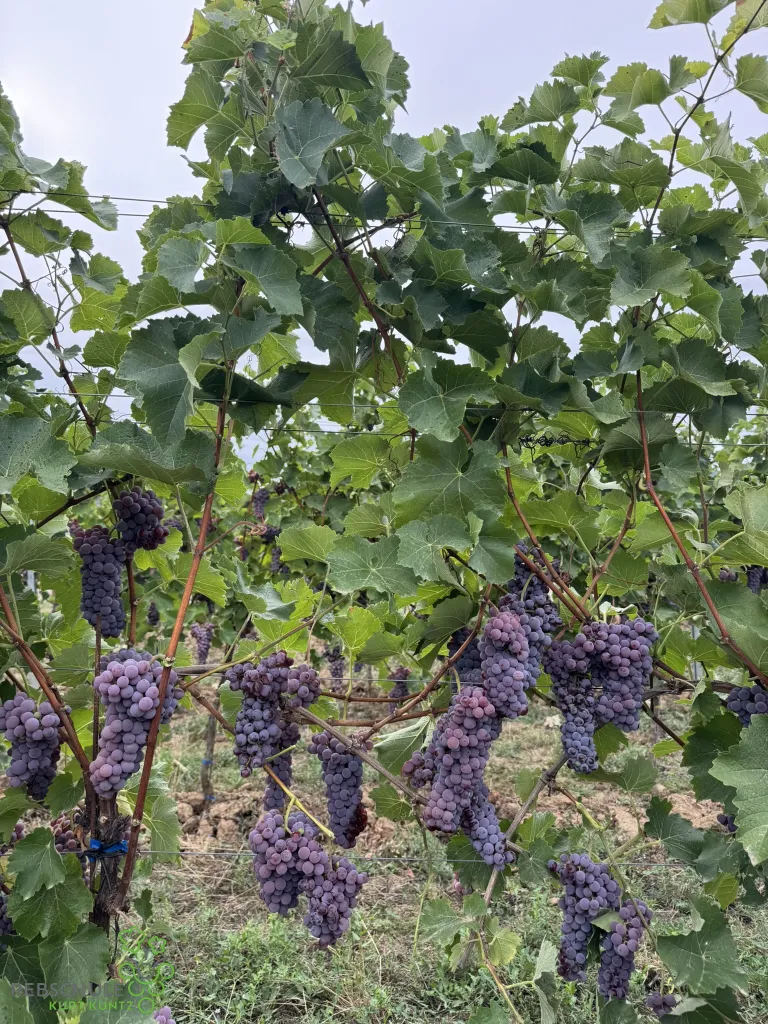
Souvignier gris PIWI

Crossing
Seyval Blanc x Zähringer
Origin
Souvignier gris was bred in 1983 by Norbert Becker at the State Viticultural Institute Freiburg (Staatliches Weinbauinstitut Freiburg). Cabernet Sauvignon and Bronner were initially assumed to be the parent varieties. However, a genome analysis commissioned by the State Viticultural Institute Freiburg in 2019 revealed that the maternal parent is Seyval Blanc and the paternal parent is the grape variety Zähringer. The originally assumed pedigree was thus conclusively refuted.
Characteristics
- medium-late budburst
- medium-late ripening
- thick berry skin
- very loose canopy
- uneven bunch zone
- many second-crop bunches
Site requirements
Based on internal nursery observations, Souvignier gris grows well on heavier, deep soils with a good water supply. Stony soils are also suitable, provided they have an adequate water supply. On dry, freely draining sites, the variety can be prone to drought stress.
Aromas
Depending on harvest timing and vinification, Souvignier gris can produce a variety of wine styles. Harvested later, it yields powerful, full-bodied wines reminiscent of Pinot Gris. With an earlier harvest, by contrast, fresh citrus aromas alongside notes of apple and pear come to the fore. Through reductive vinification and the use of suitable yeast strains, pronounced thiol aromas reminiscent of Sauvignon Blanc can also be developed. Depending on the winemaking approach, spicy or herbaceous notes further complement the aromatic profile. This spans from fresh, fruit-driven wines through to rich, structured wines with complex aromatics.
Bunch
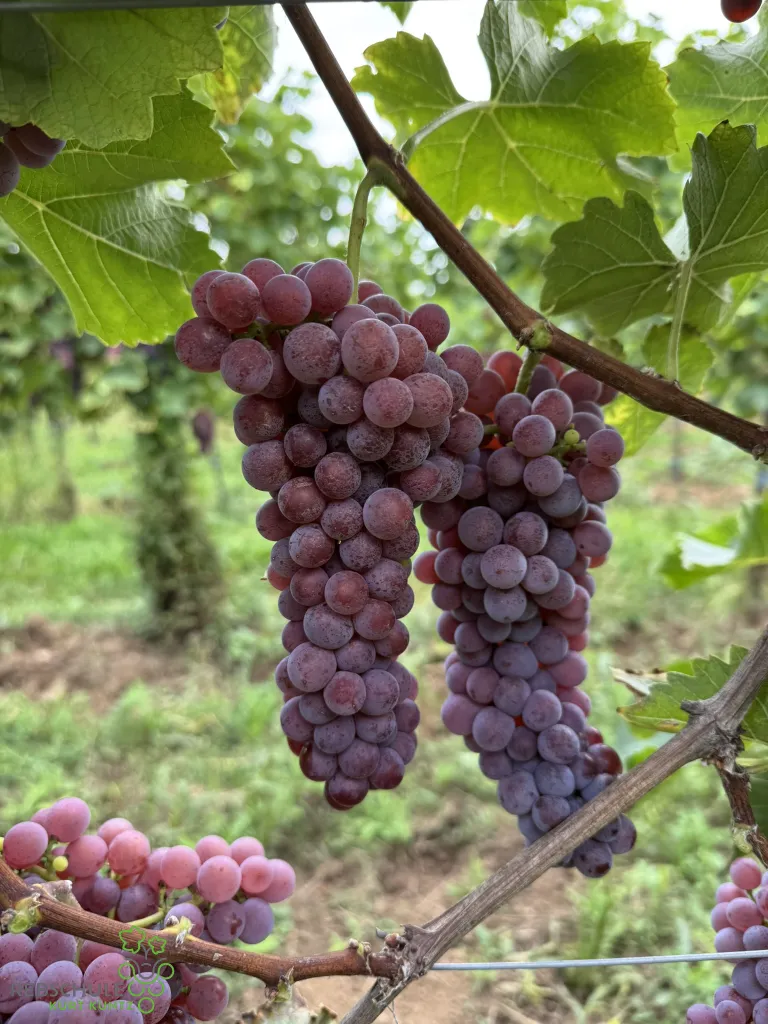
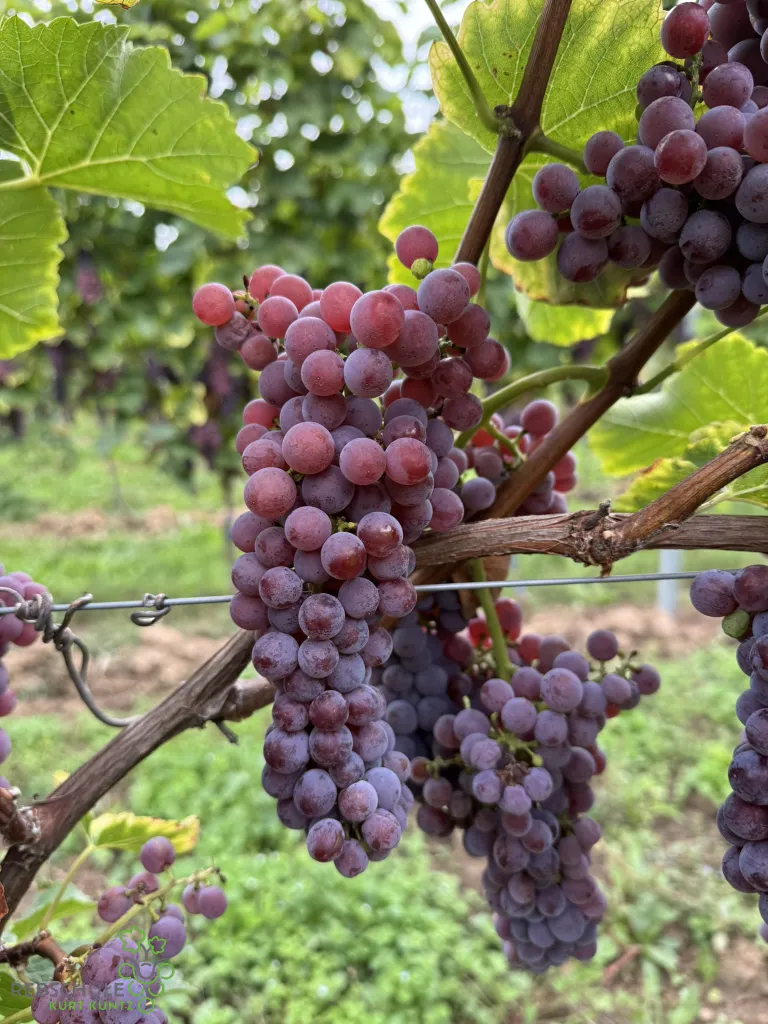
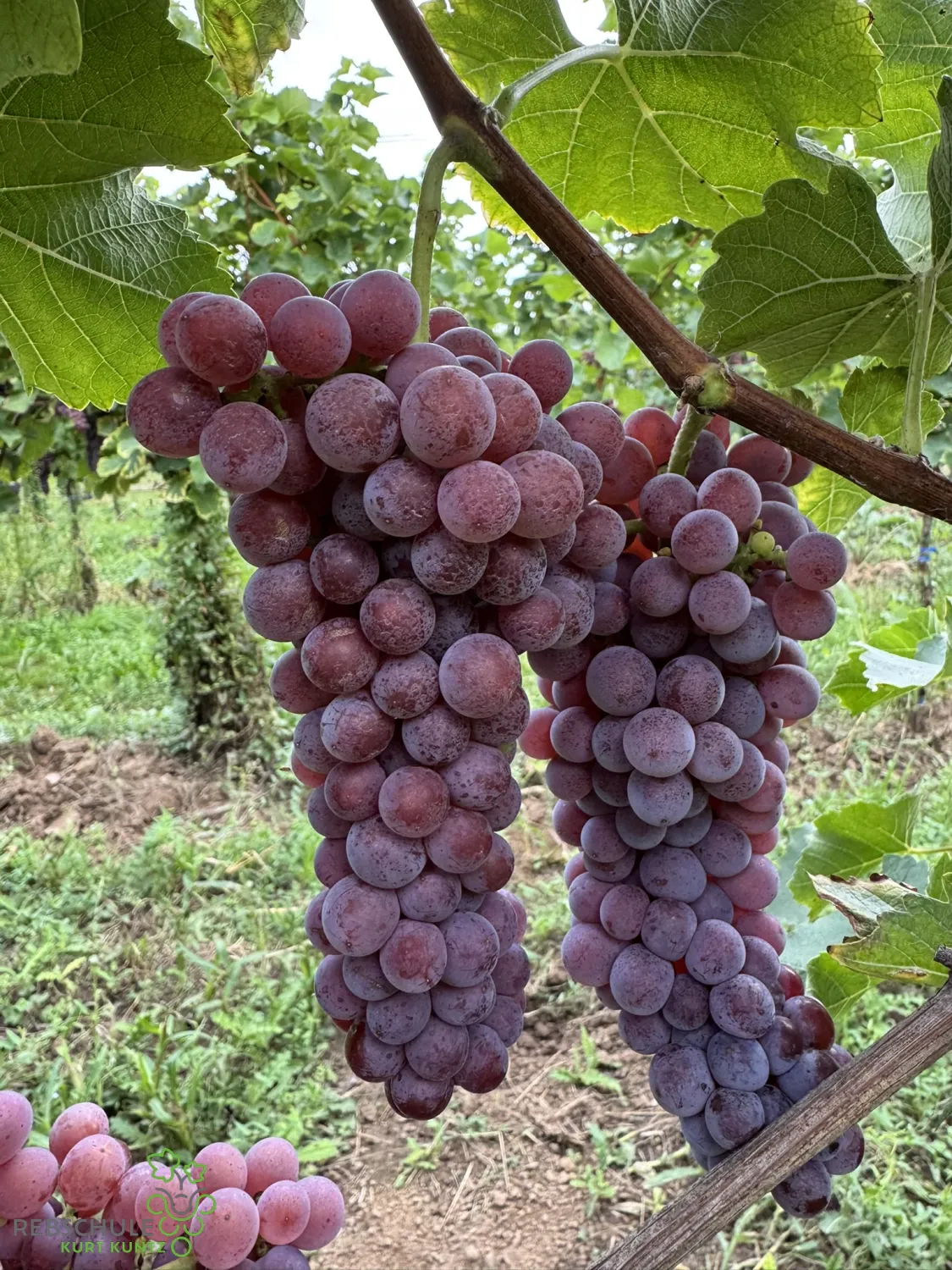
Souvignier gris bunches are medium-sized to large, elongated-cylindrical and usually shouldered. They are loose-berried and not very compact. The medium-sized to large berries have a pink to reddish berry skin. The low berry density ensures a loose bunch structure.
Disease resistance
- Downy mildew (Plasmopara viticola)3/4Resistance loci: Rpv3.2
- Powdery mildew (Oidium)3/4Resistance loci: Ren3, Ren9
- Botrytis4/4
- Black rot (Guignardia bidwelliiResistance loci: Rgb1
To counteract the development of resistant fungal strains and safeguard the cultivar's resistance over the long term, three targeted plant protection treatments are recommended. Optimal treatment windows occur primarily around flowering, adjusted according to weather conditions and prevailing disease pressure.
Souvignier gris PIWI clones
Freiburg
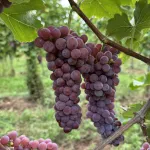

Souvignier gris PIWI FR 420
Yield moderate to elevatedBunches loose-clusteredBotrytis susceptibility low