
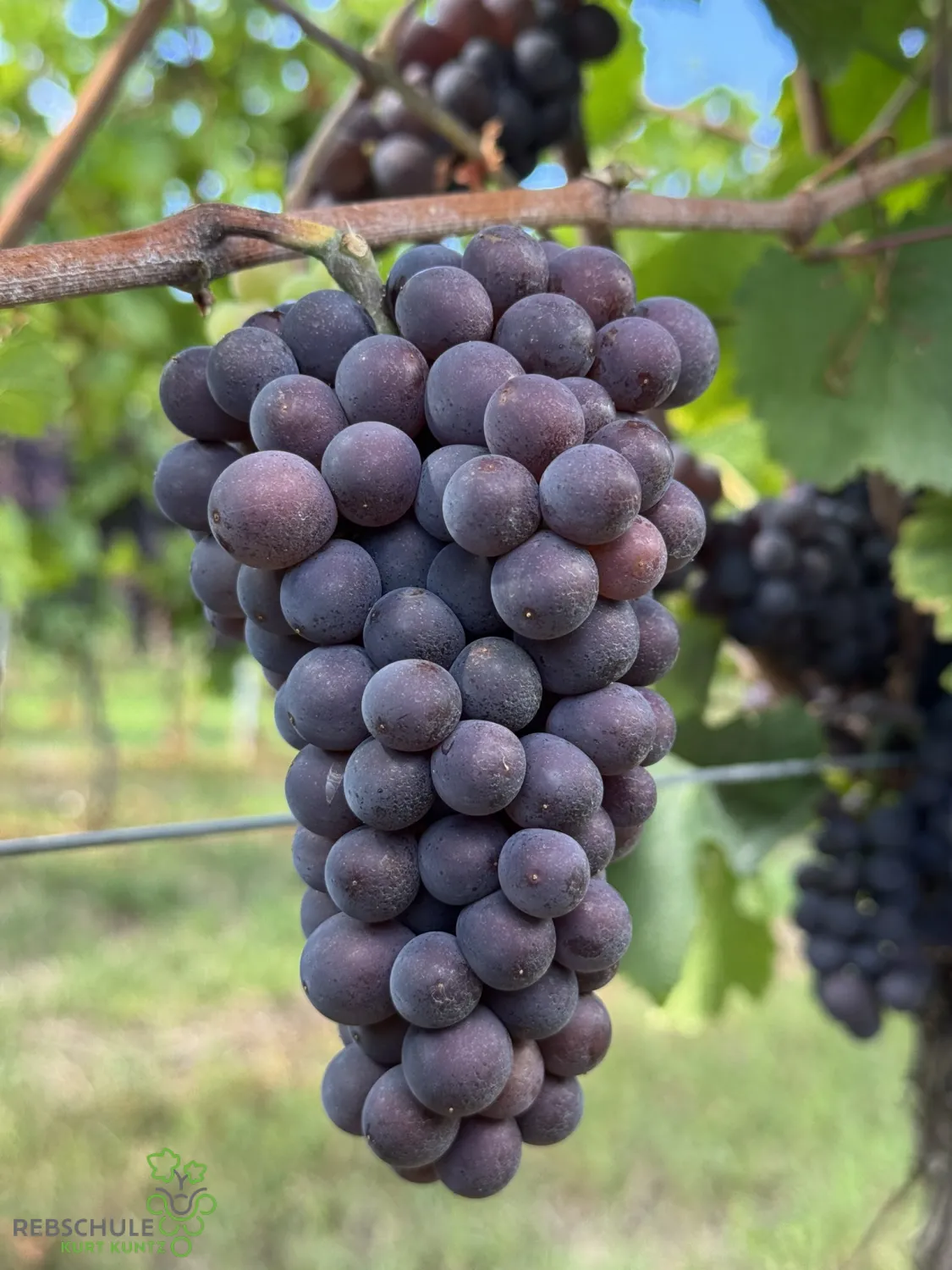
Pinot Gris clones
Geisenheim

Pinot Gris Gm 1-31
Yield above averageBunches less compactBotrytis susceptibility low
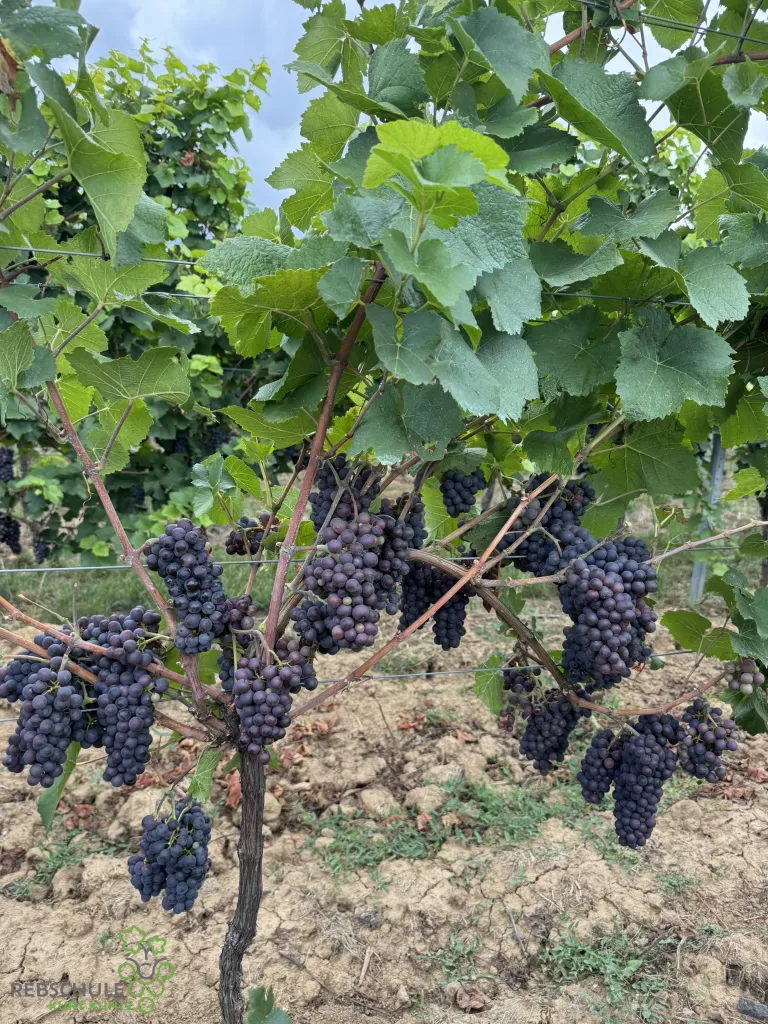
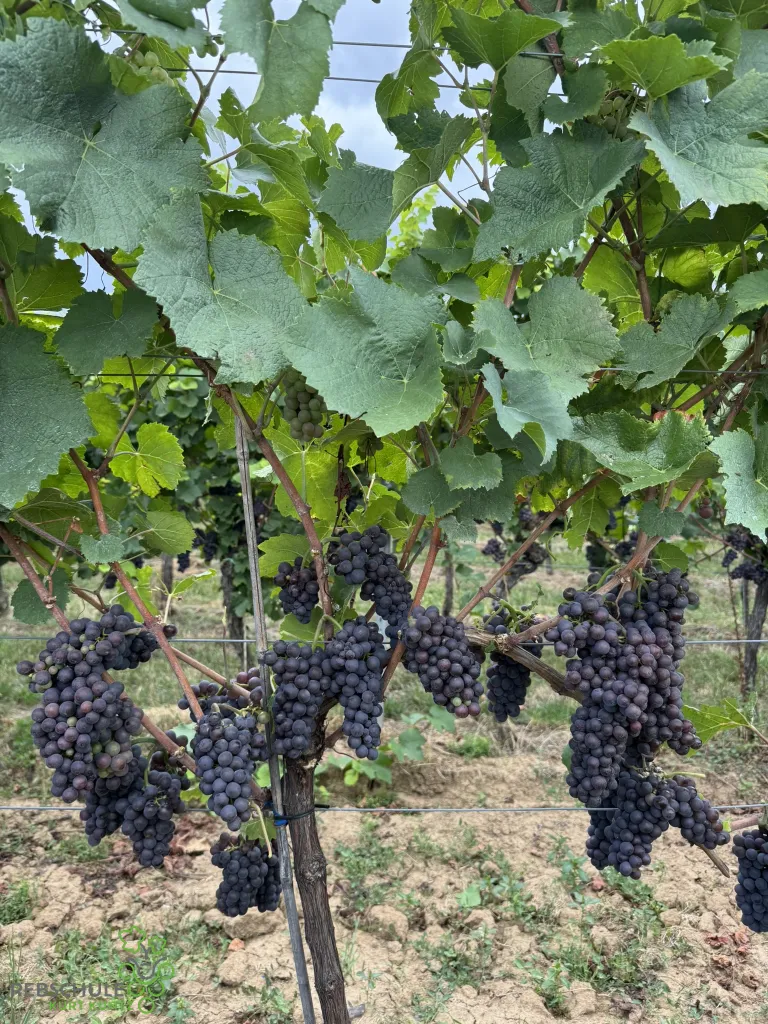
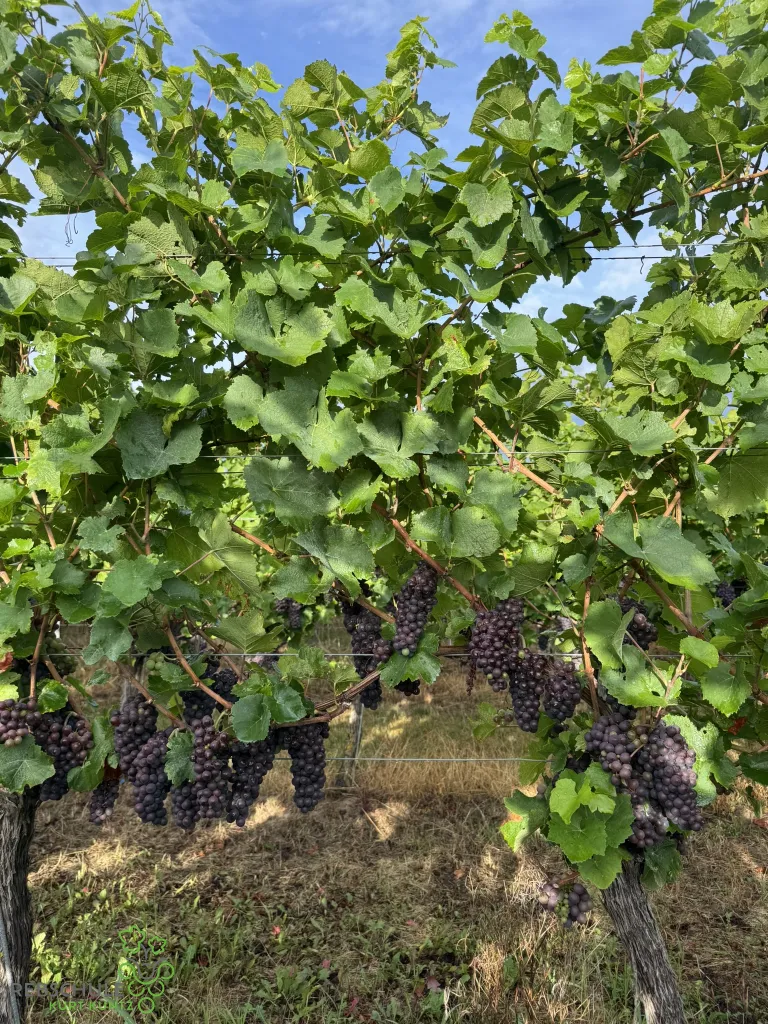
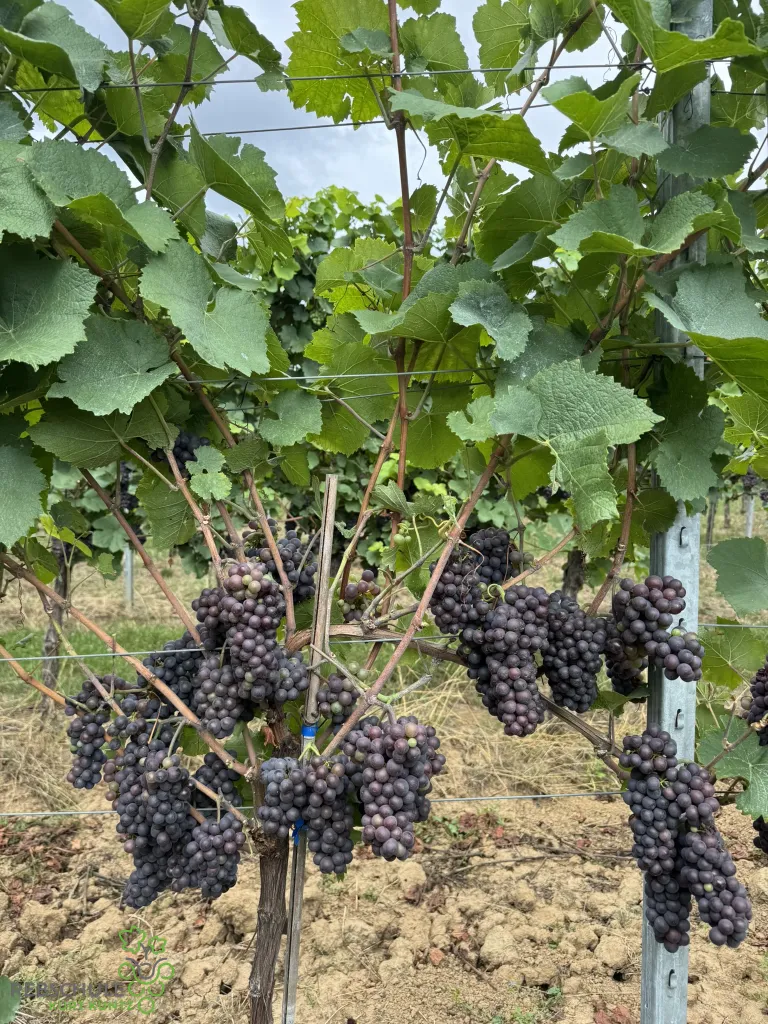
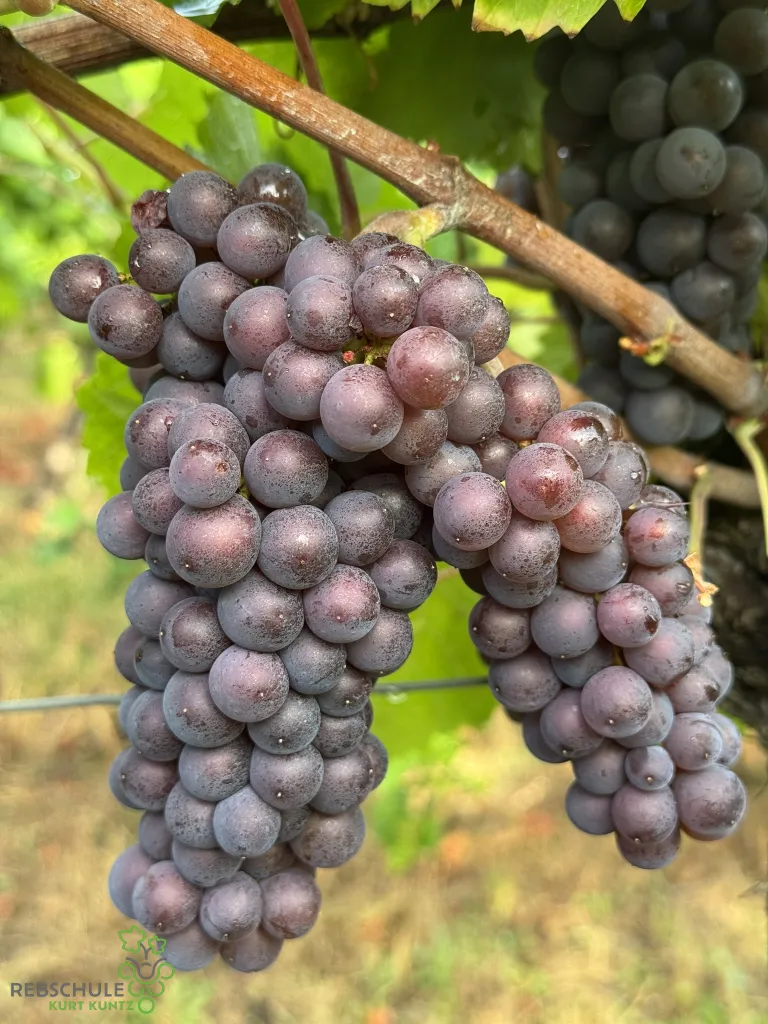
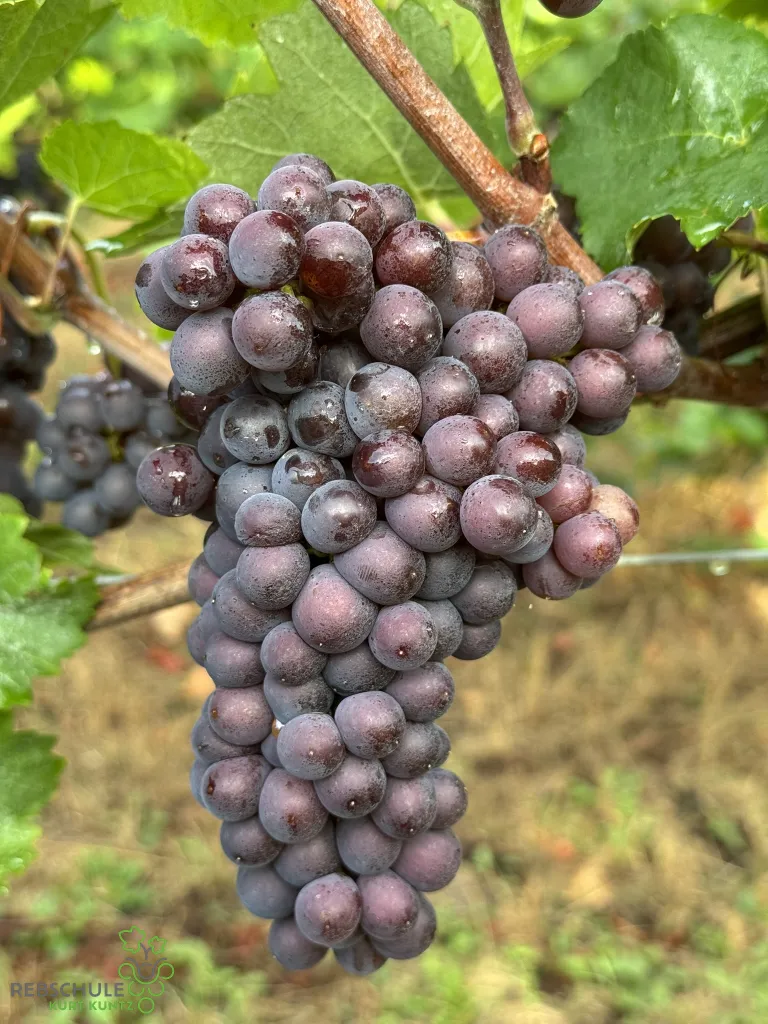
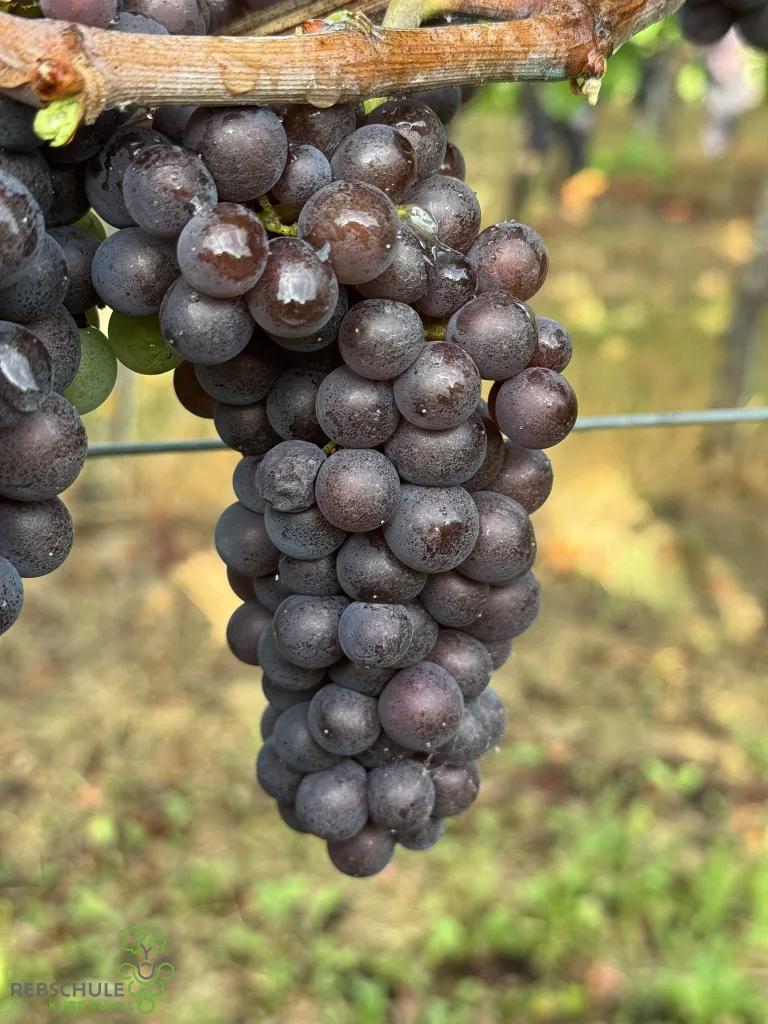
- less compact grape structure
- Significantly lower susceptibility to botrytis and bunch rot compared to traditional, tight-clustered clones
- good yield potential
- medium to high must weight
- belongs to the Pinot Gris clone group Gm 1-30. Clones Gm 1-31, Gm 1-32, and Gm 1-33 differ only slightly.
Pinot Gris Gm 1-32
Yield above averageBunches less compactBotrytis susceptibility low
- less compact grape structure
- Significantly lower susceptibility to botrytis and bunch rot compared to traditional, tight-clustered clones
- good yield potential
- medium to high must weight
- belongs to the Pinot Gris clone group Gm 1-30. Clones Gm 1-31, Gm 1-32, and Gm 1-33 differ only slightly.
Pinot Gris Gm 1-33
Yield above averageBunches less compactBotrytis susceptibility low
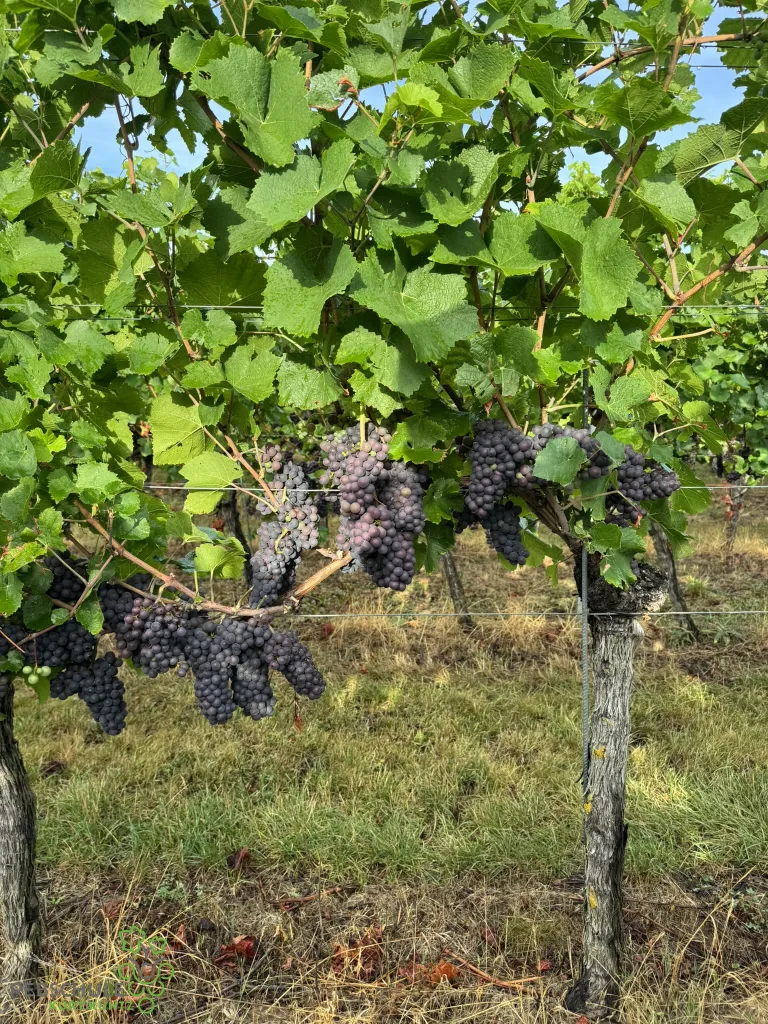
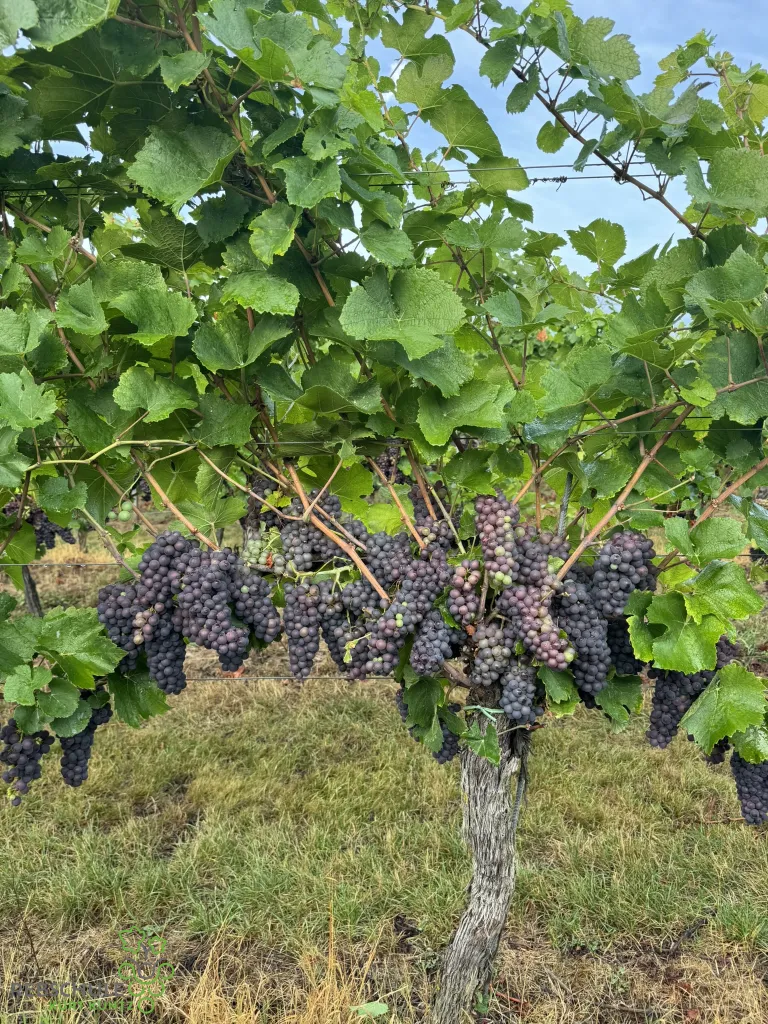
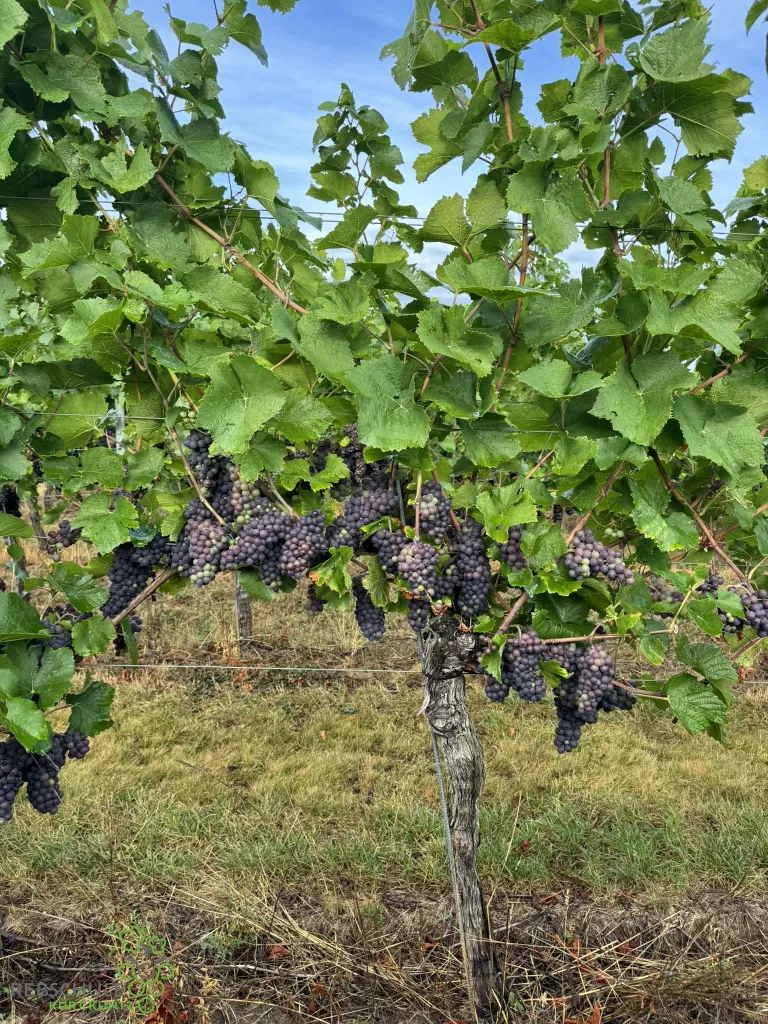
- less compact grape structure
- Significantly lower susceptibility to botrytis and bunch rot compared to traditional, tight-clustered clones
- good yield potential
- medium to high must weight
- belongs to the Pinot Gris clone group Gm 1-30. Clones Gm 1-31, Gm 1-32, and Gm 1-33 differ only slightly.
Pinot Gris Gm 27
Yield low - mediumBunches mixed berry sizeBotrytis susceptibility low
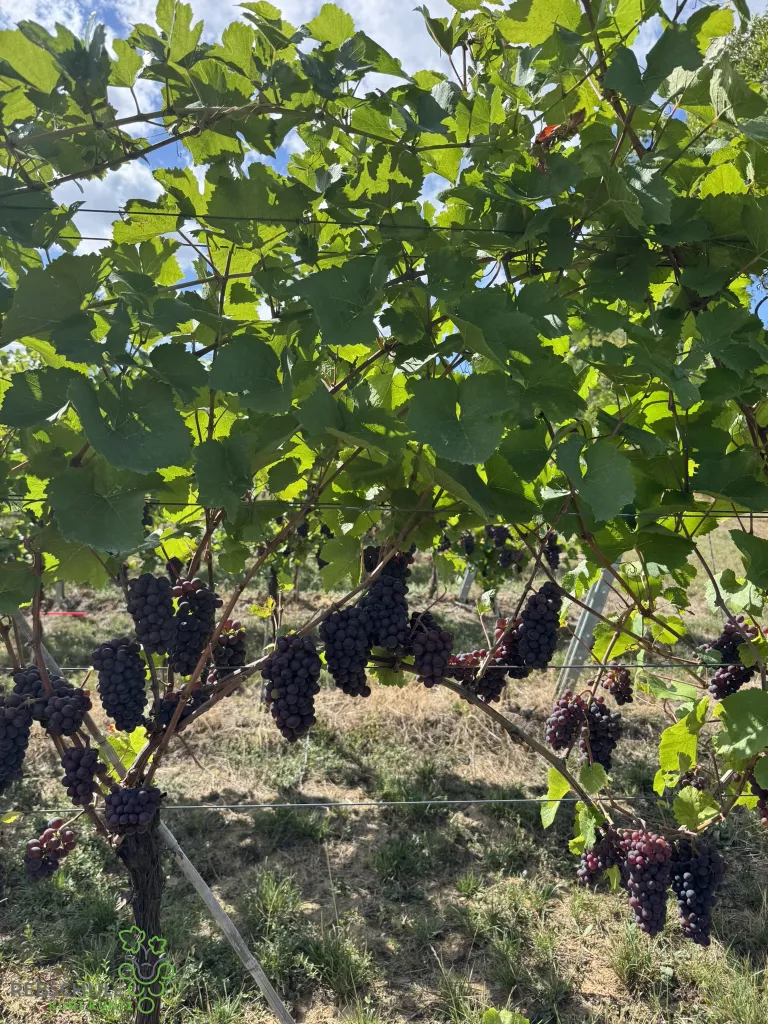
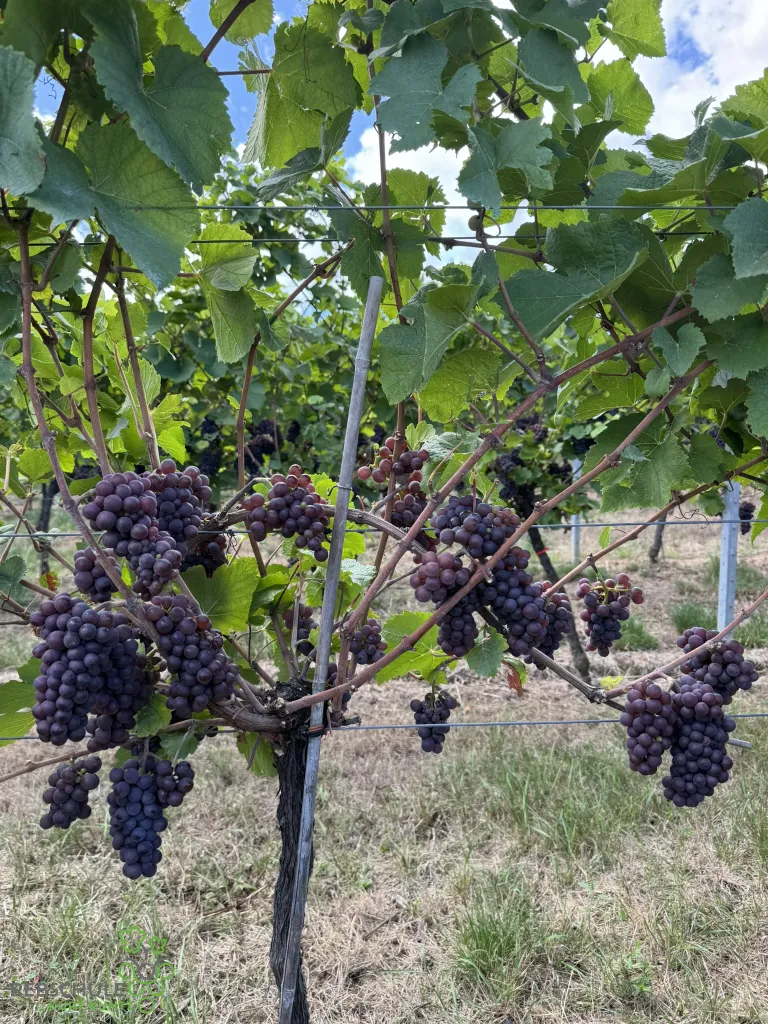
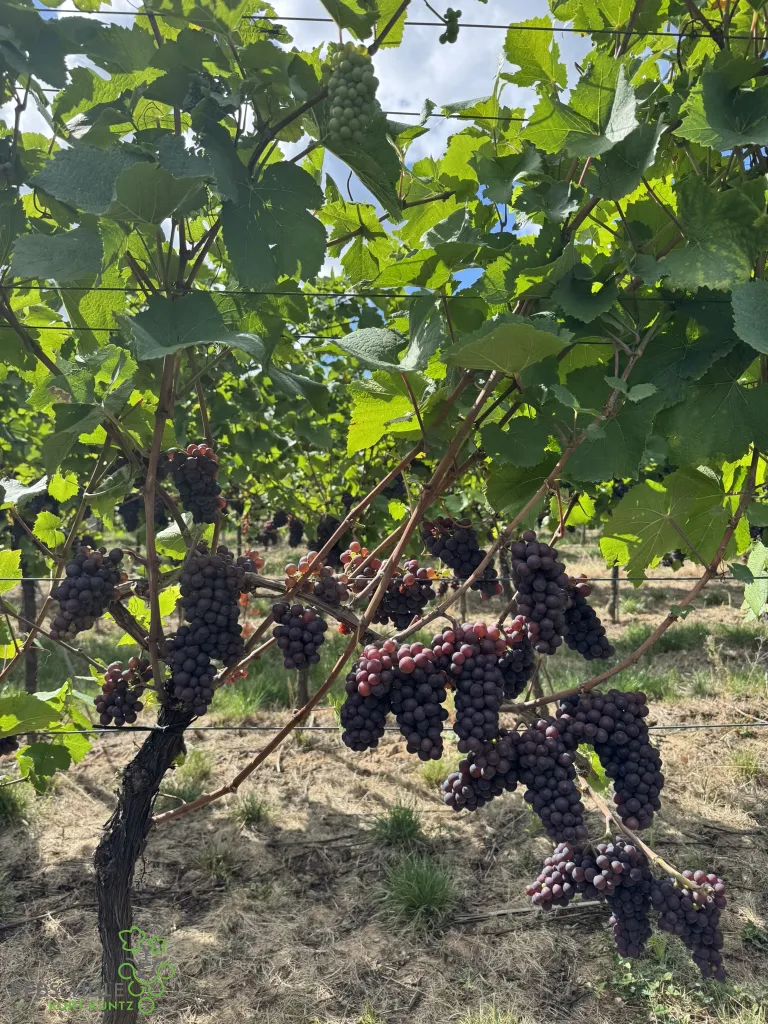
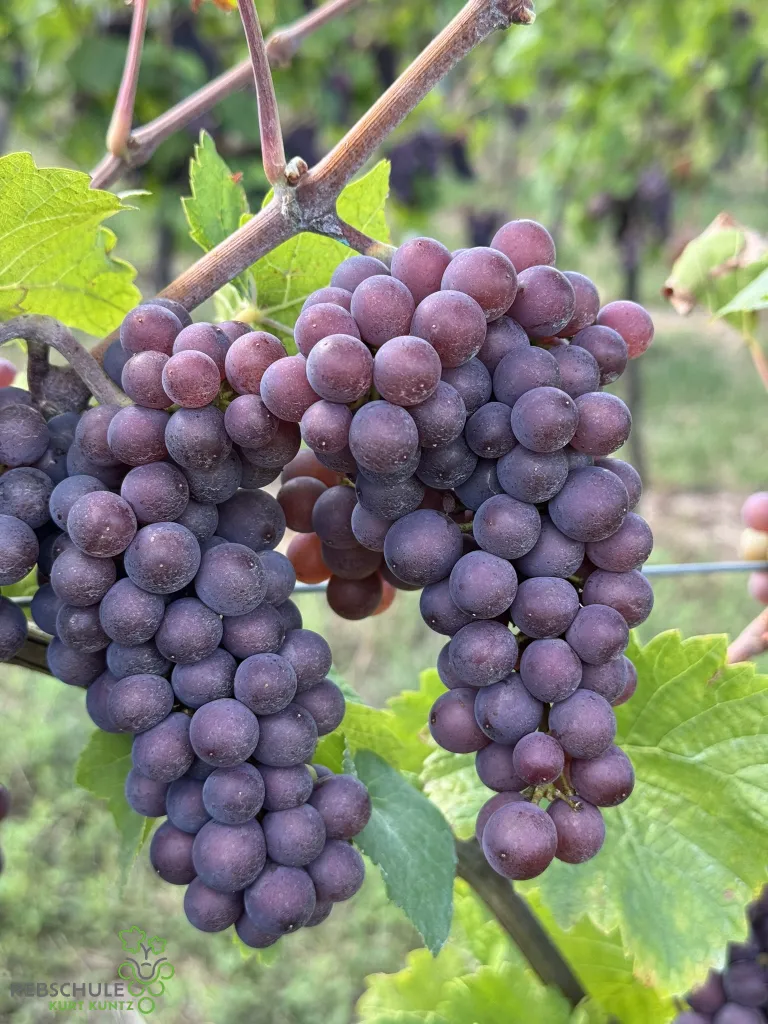

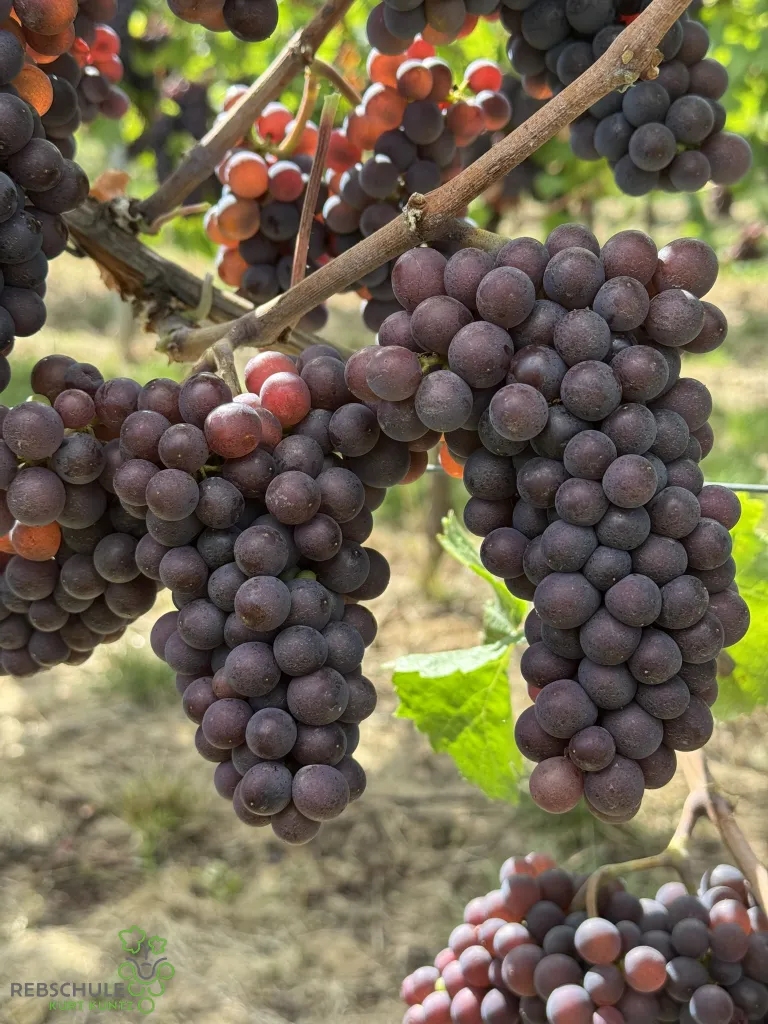
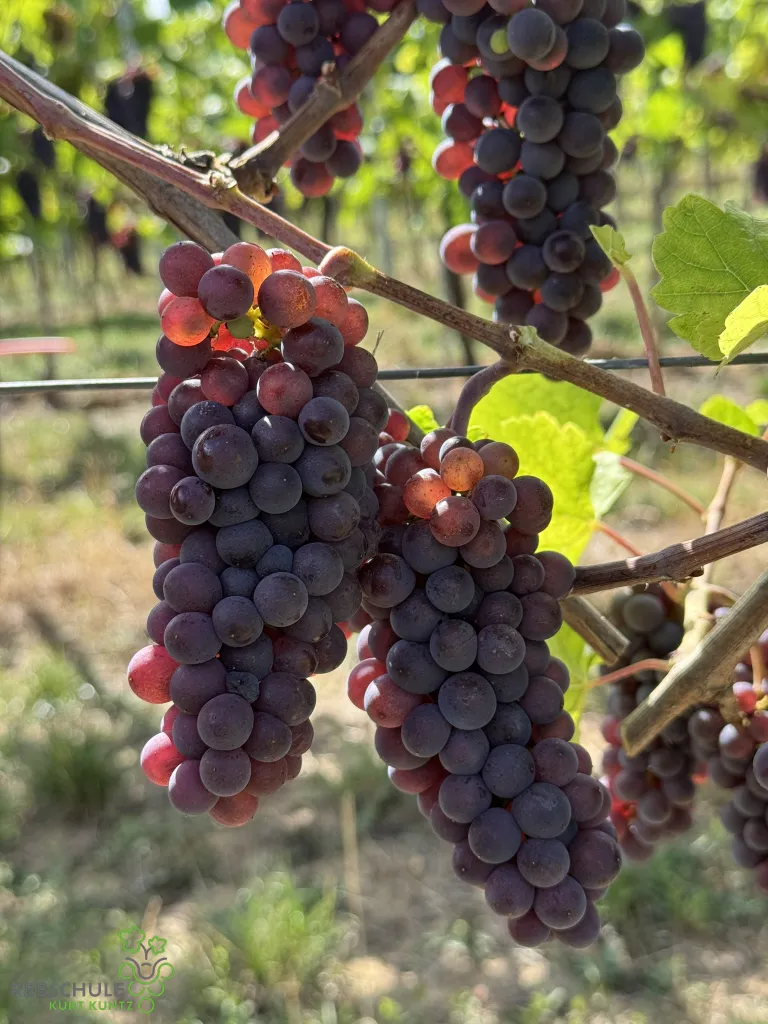
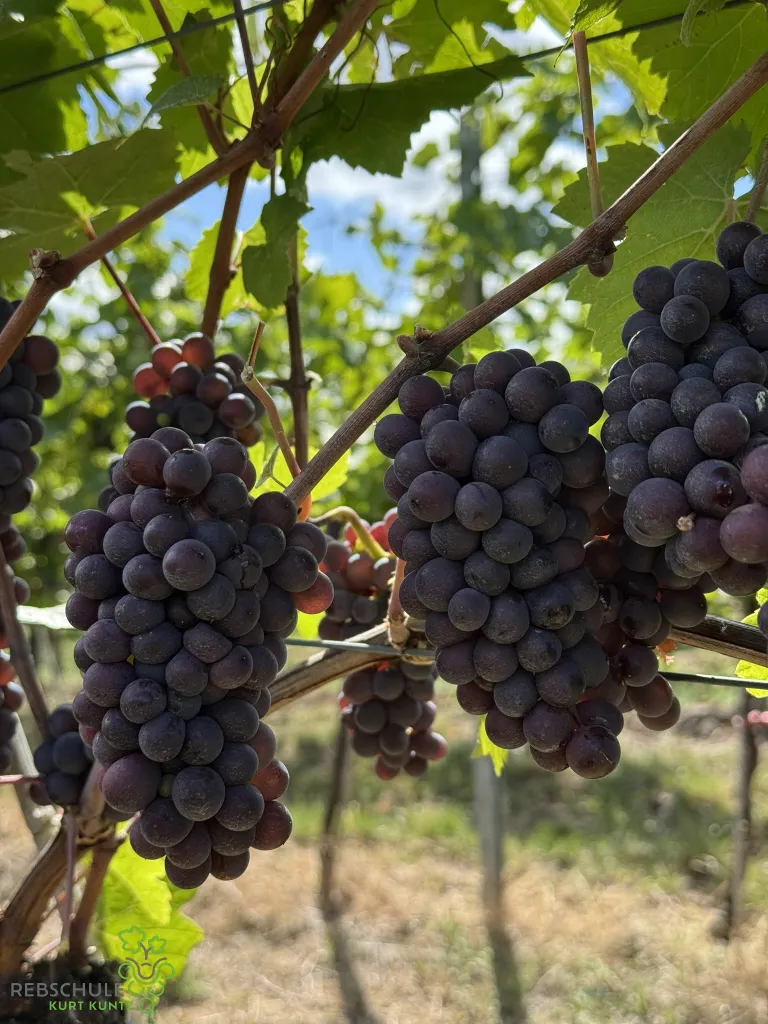
- premium clone
- a certain influence of flowering weather conditions on loose, mixed berry formation
San Michele all’Adige
Pinot Gris SMA 505
Yield mediumBunches mixed berry sizeBotrytis susceptibility low
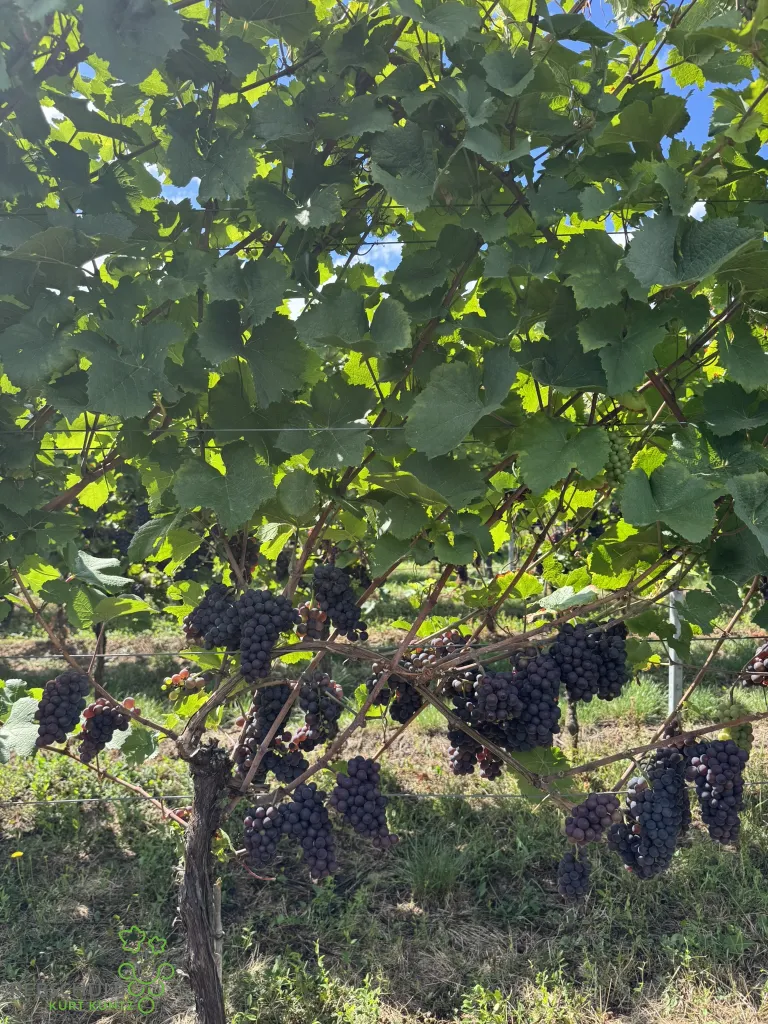

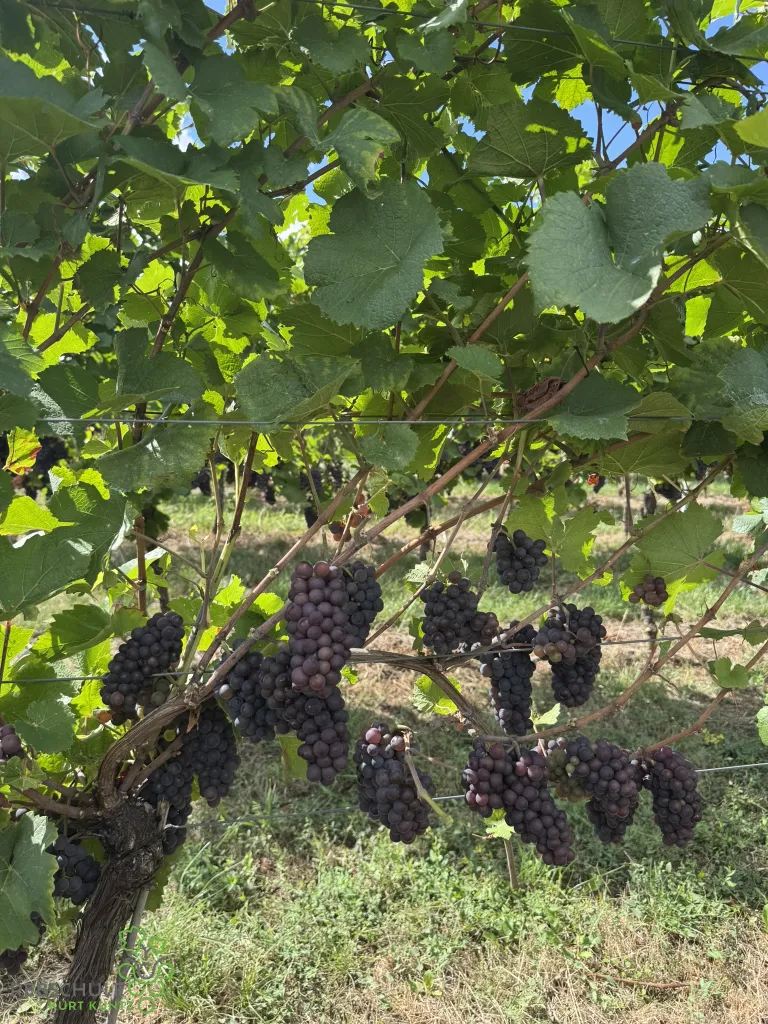
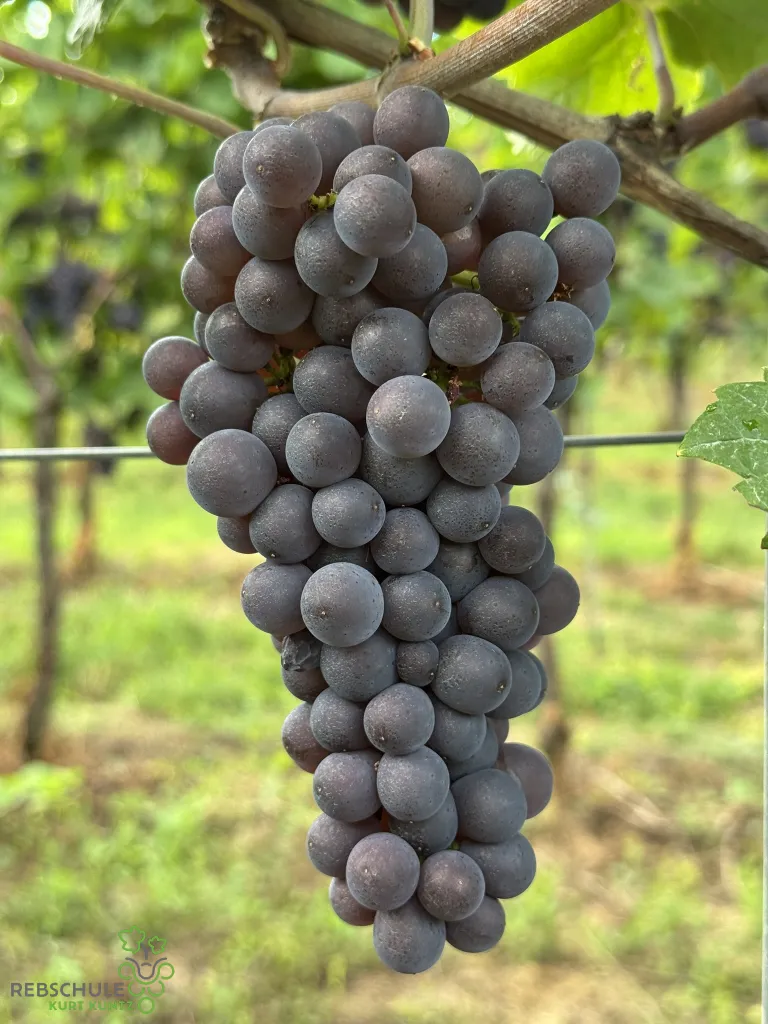
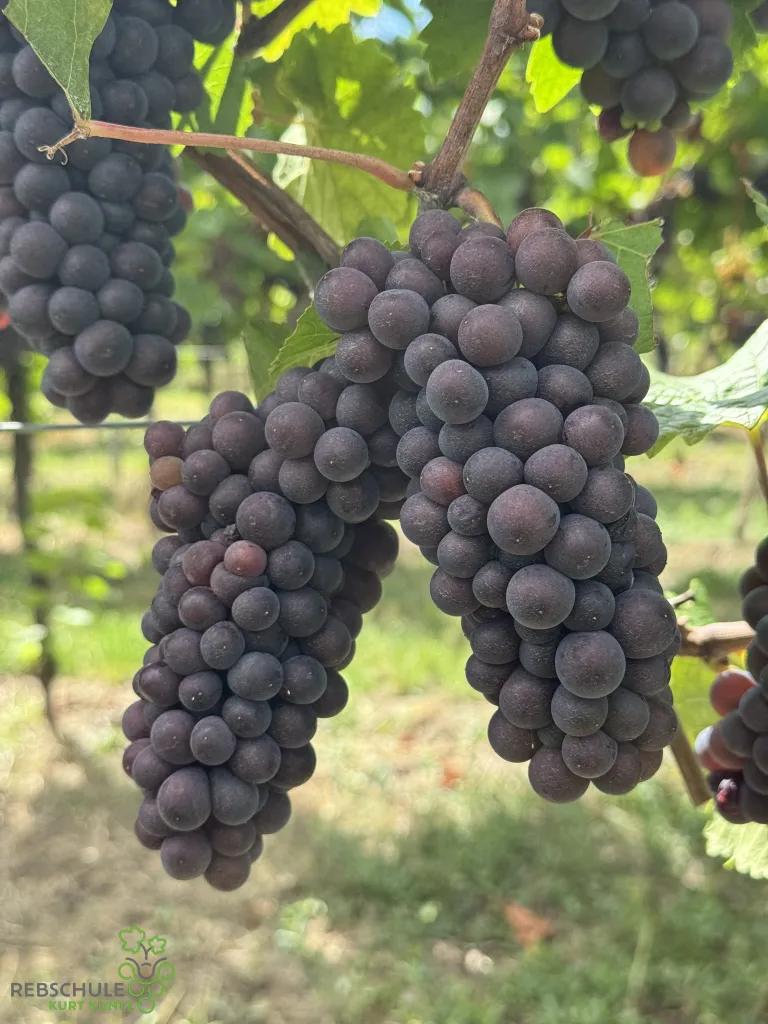
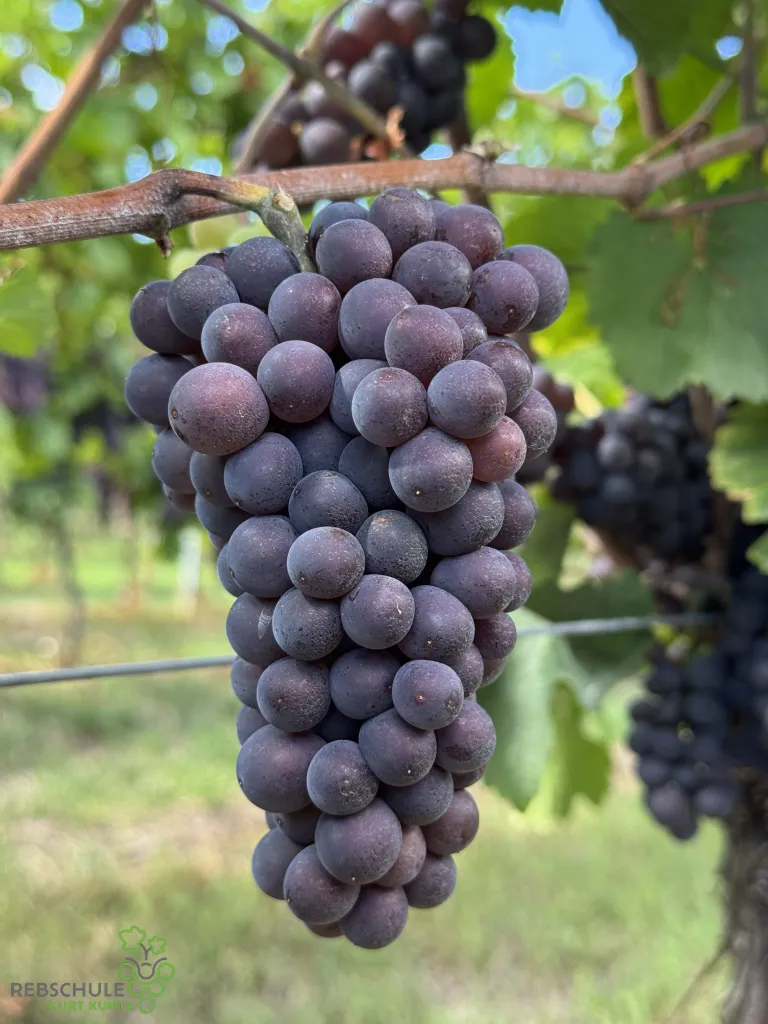
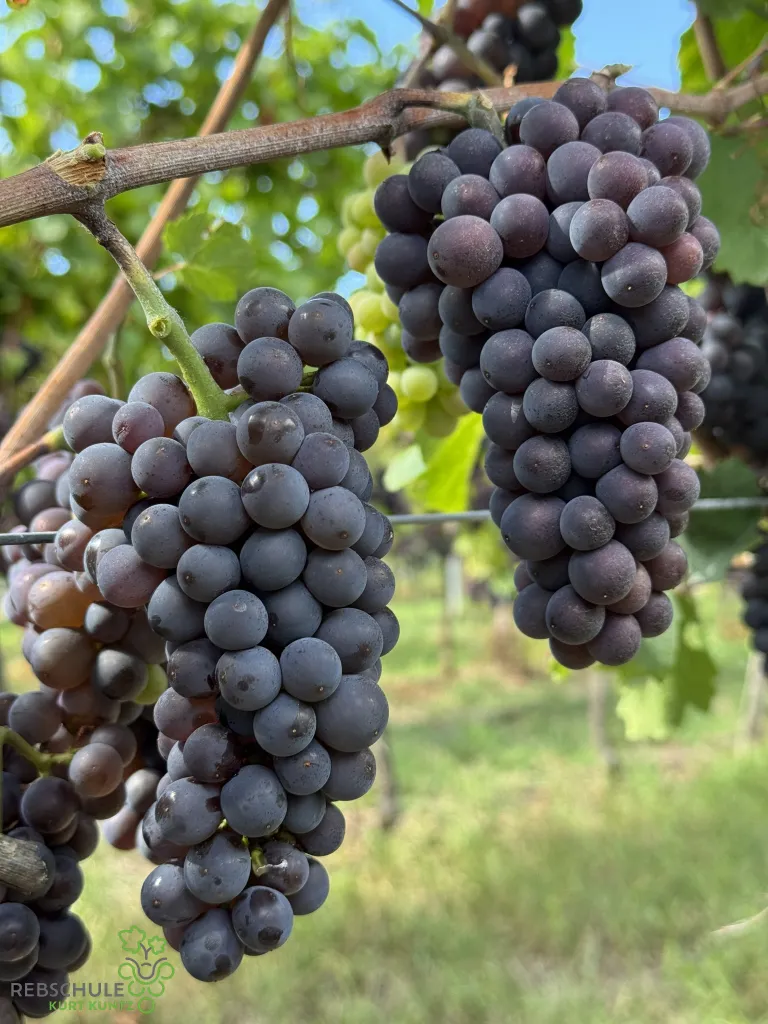
- Yield and berry density vary depending on weather conditions during flowering. SMA 505 is more prone to coulure than SMA 514.
Pinot Gris SMA 514
Yield mediumBunches mixed berry sizeBotrytis susceptibility low
- Yield and berry density vary depending on weather conditions during flowering. SMA 514 is less prone to coulure than SMA 505.