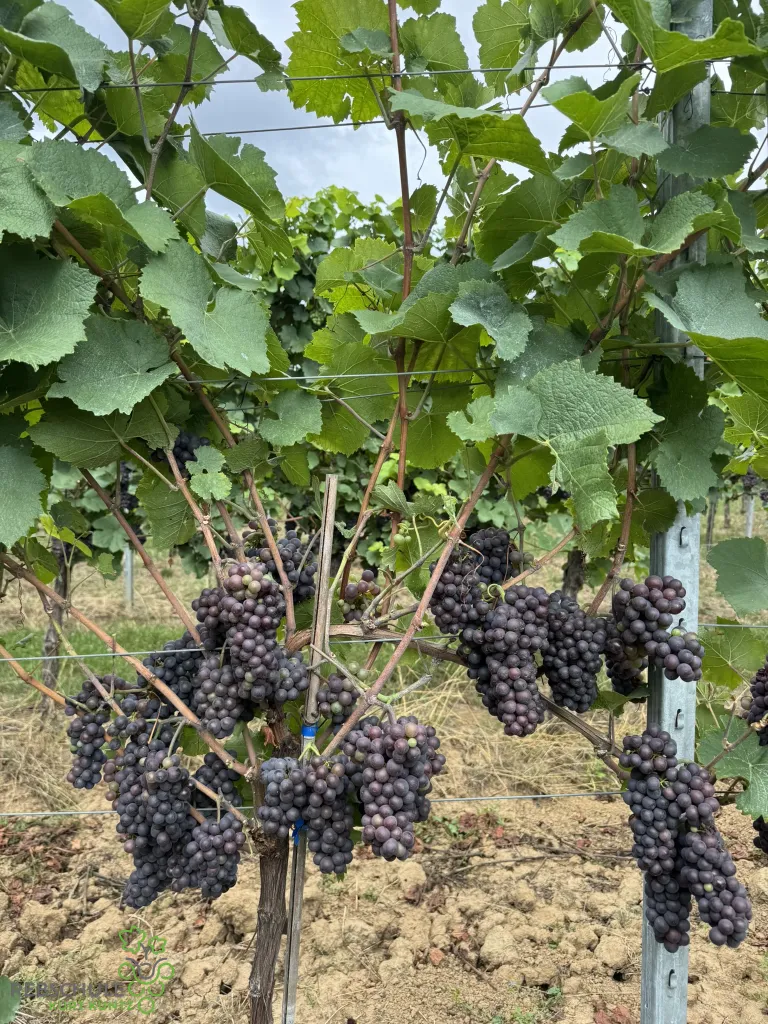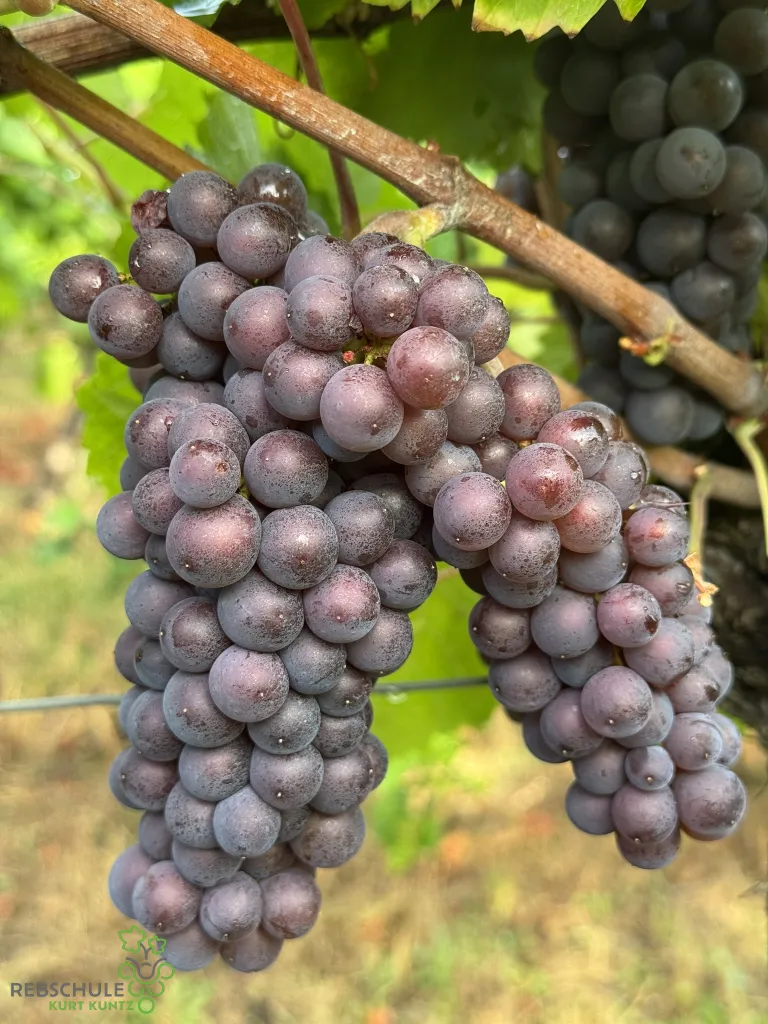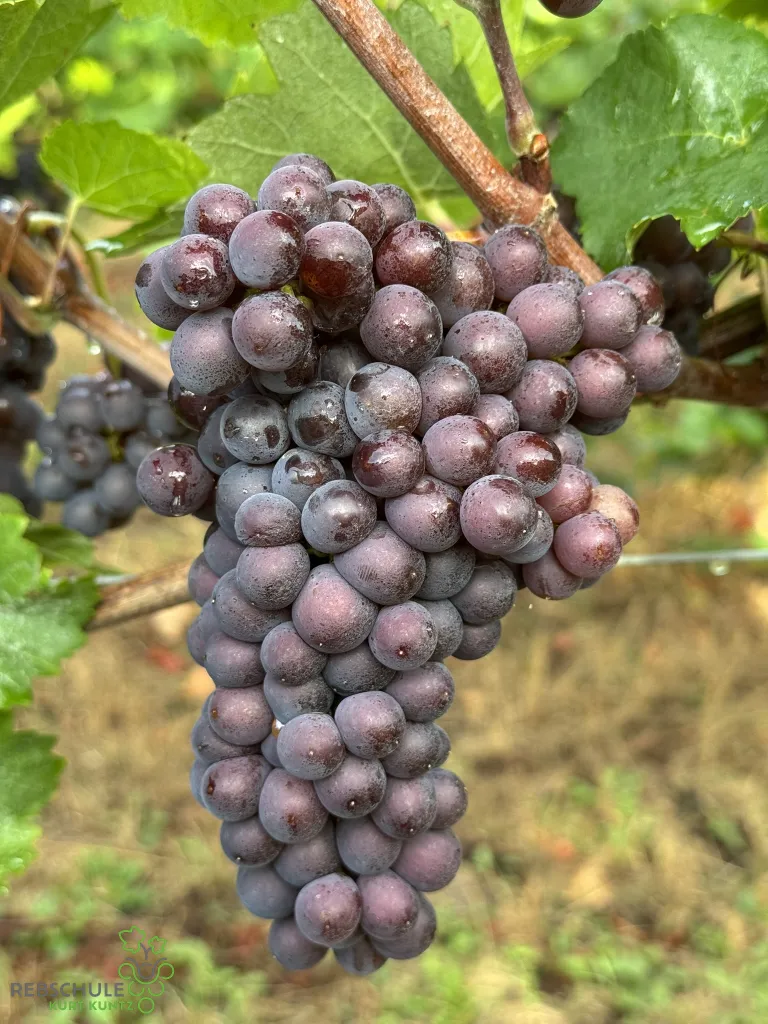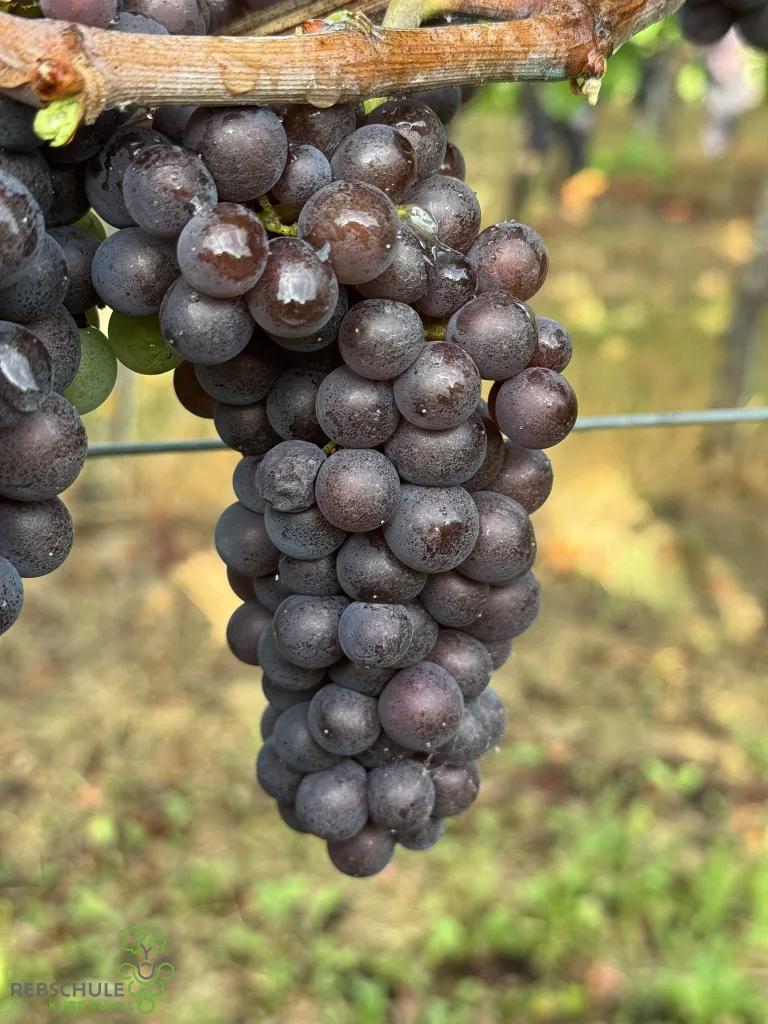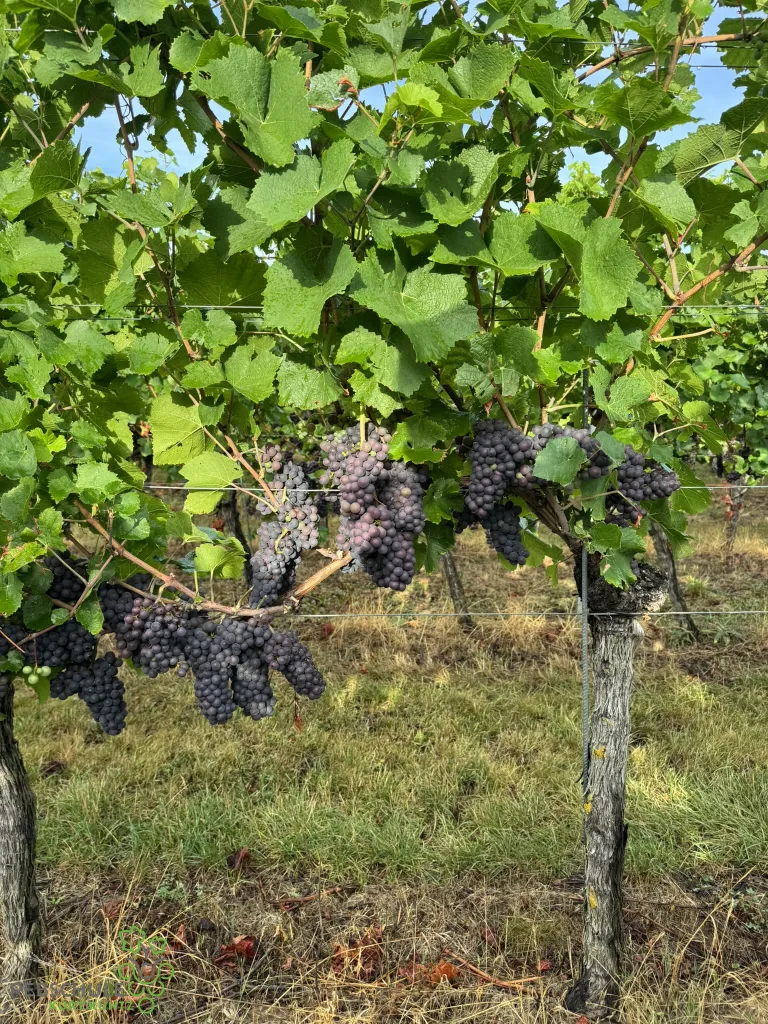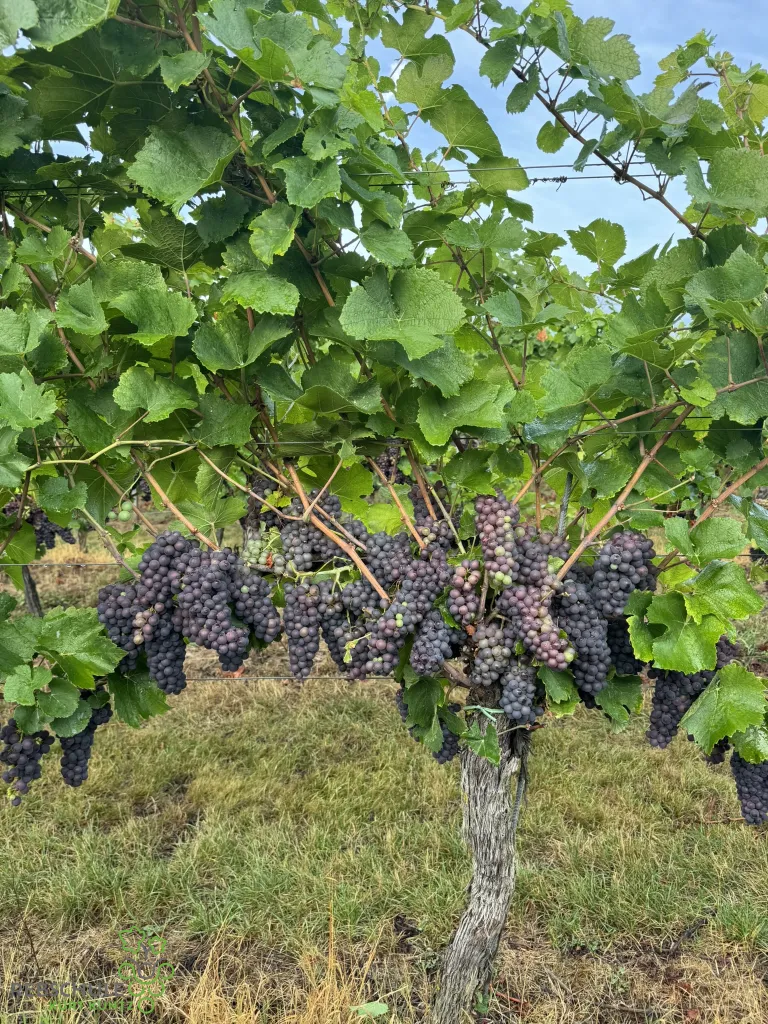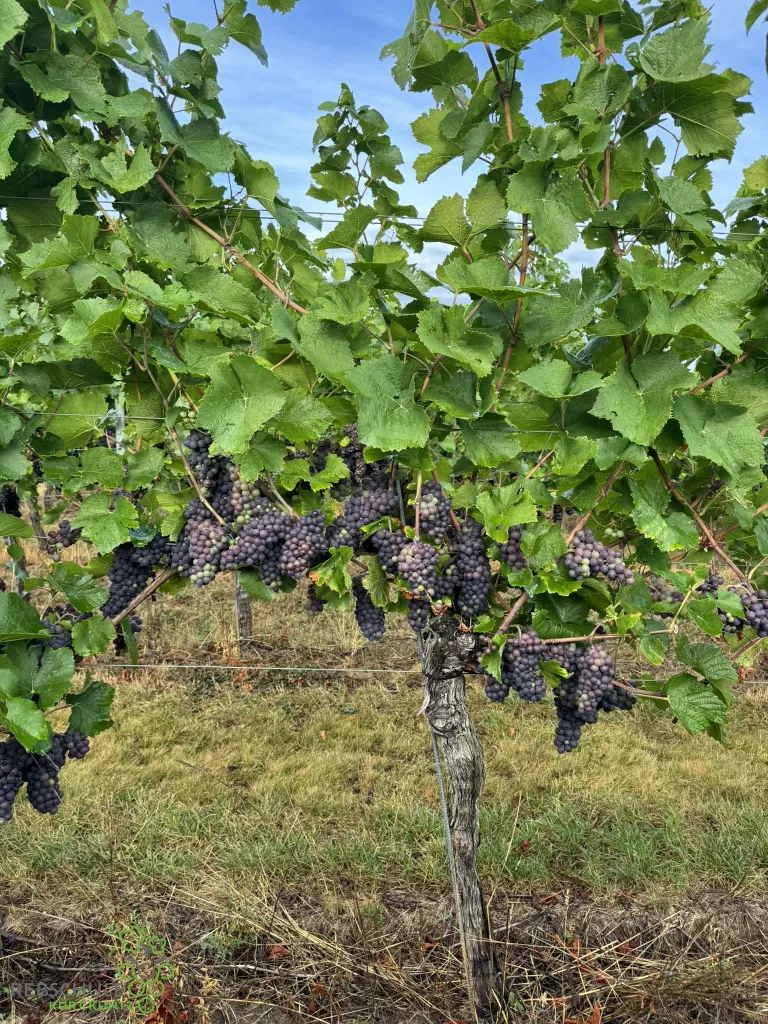
Pinot Gris

Crossing

A natural mutation of Pinot Noir / Spätburgunder
Synonyms: Pinot Grigio, Pinot Gris, Ruländer

Origin

Pinot Gris is thought to have been brought to Germany from Burgundy or Champagne. In 1711, Johann Seger Ruland, a merchant from Speyer, discovered the variety in a neglected vineyard in Speyer. He recognised the vine’s great potential, cultivated it further with a specific aim in mind and played a key role in its spread – the traditional german name ‘Ruländer’, still in use today, can be traced back to him.

Characteristics

  • medium-early budbreak
  • medium to late ripening
  • medium risk of botrytis
  • good frost hardiness
  • thin berry skin

Site requirements

Pinot Gris thrives in well-aerated sites with deep, nutrient-rich and calcareous soils, as well as a good water supply. Shallow rocky, gravelly and sandy soils are less suitable. High-quality wines require good sites.

Aromas

Pinot Gris can be categorised into two modern wine styles: a fresh, fruity style, which is often found in entry-level wines, and a more mature style with greater body. The aromas range from pear, pineapple, nuts and apple to fully ripe notes such as quince, honeydew melon and peach.

Bunch

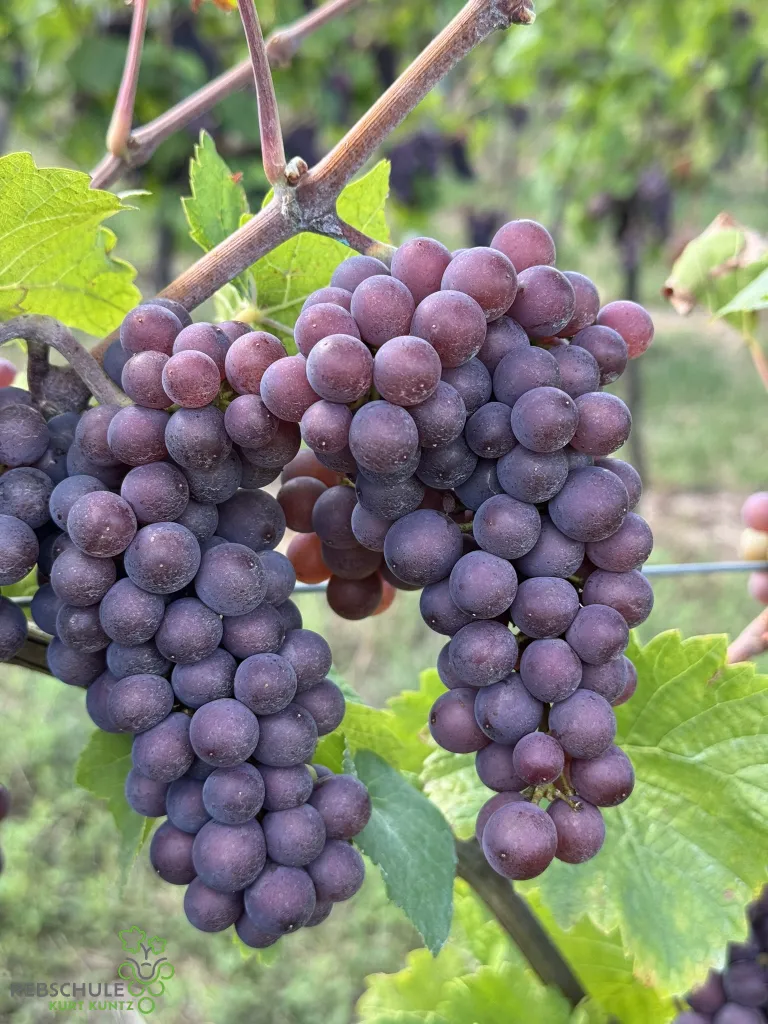
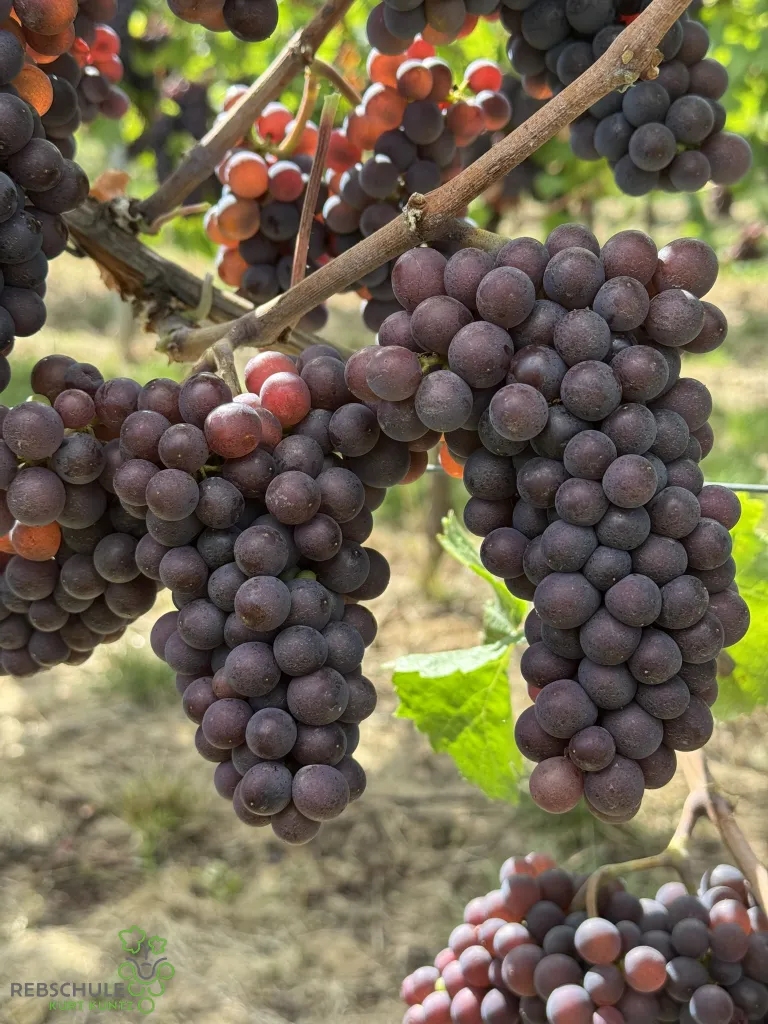
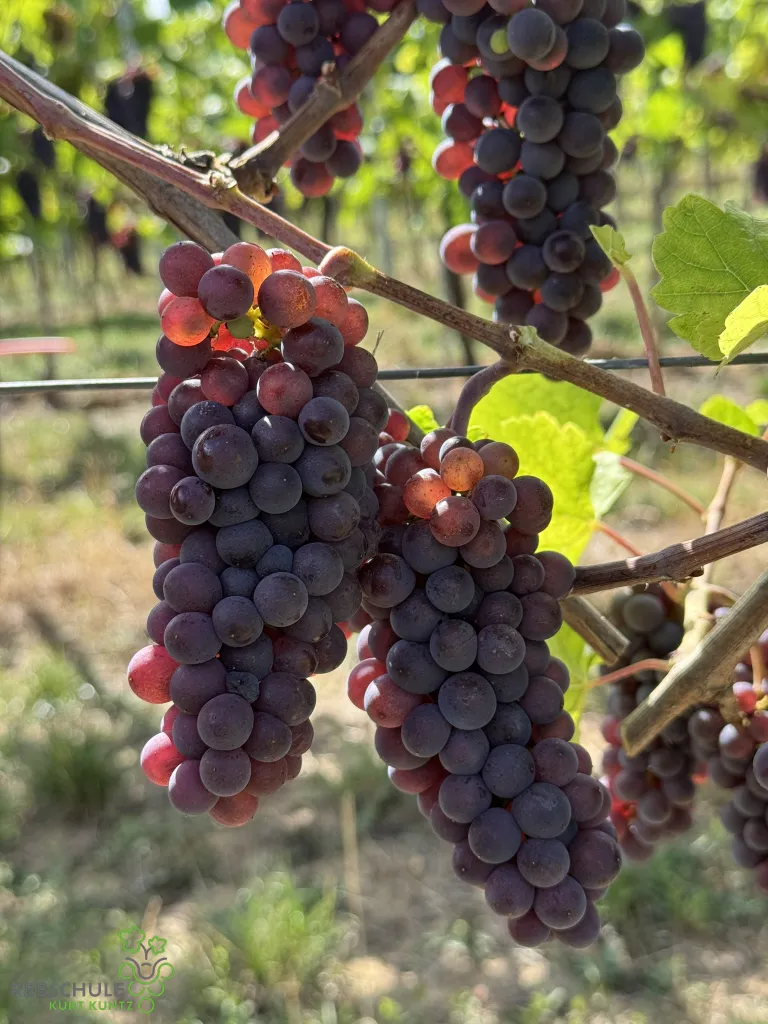
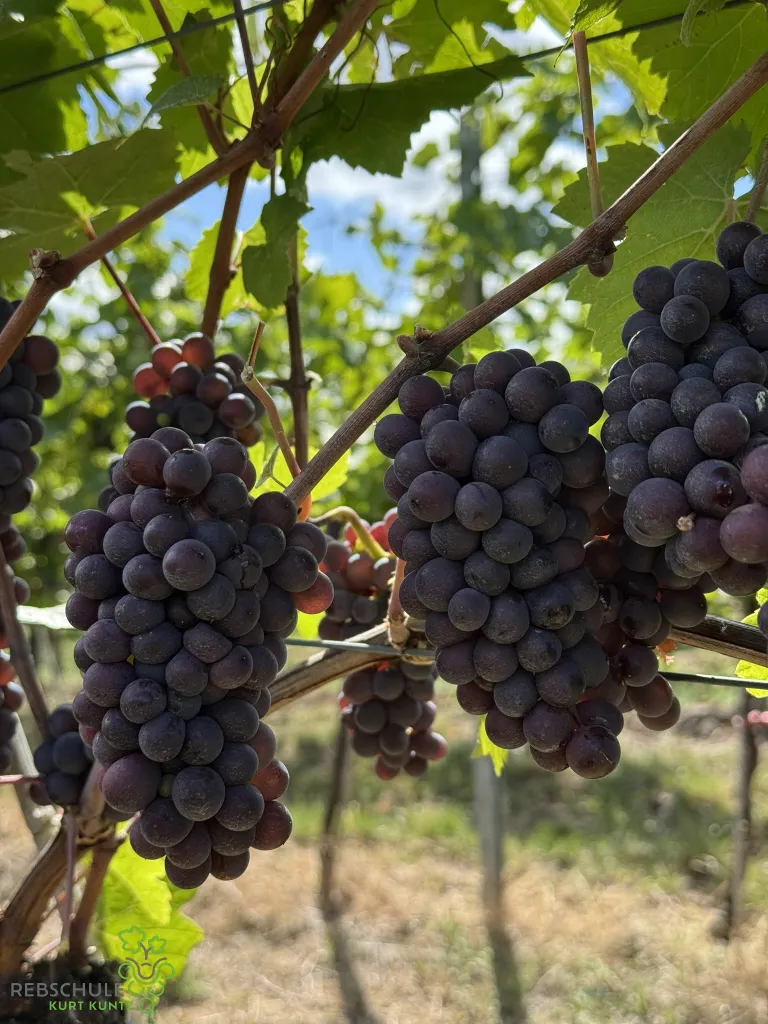
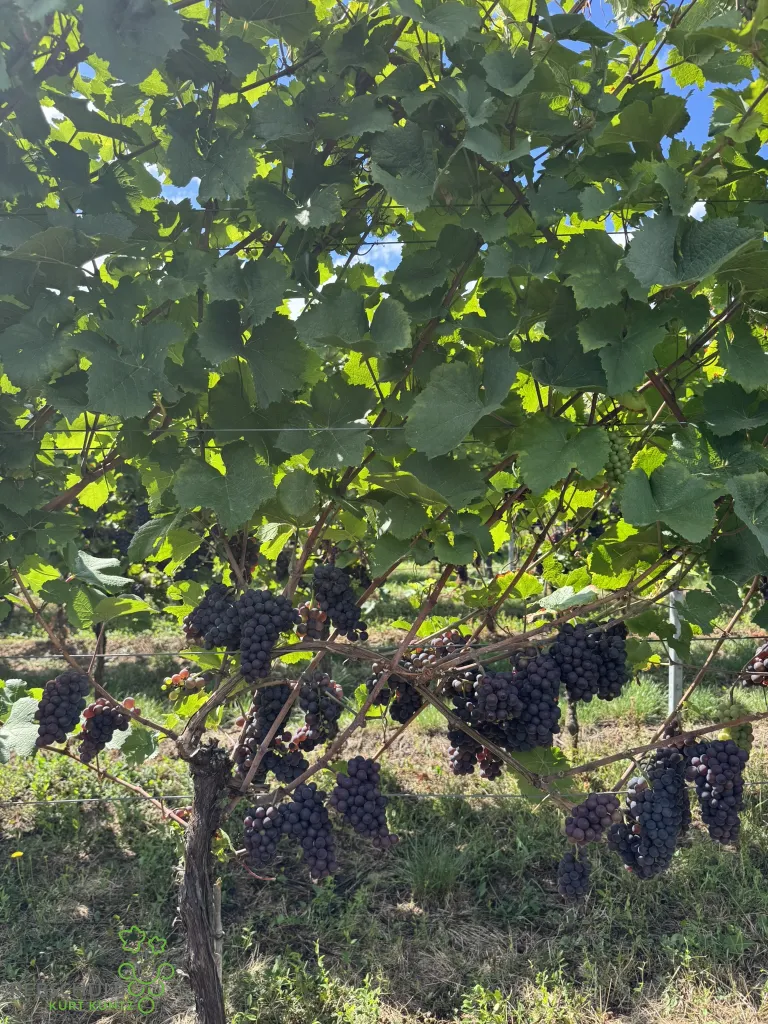
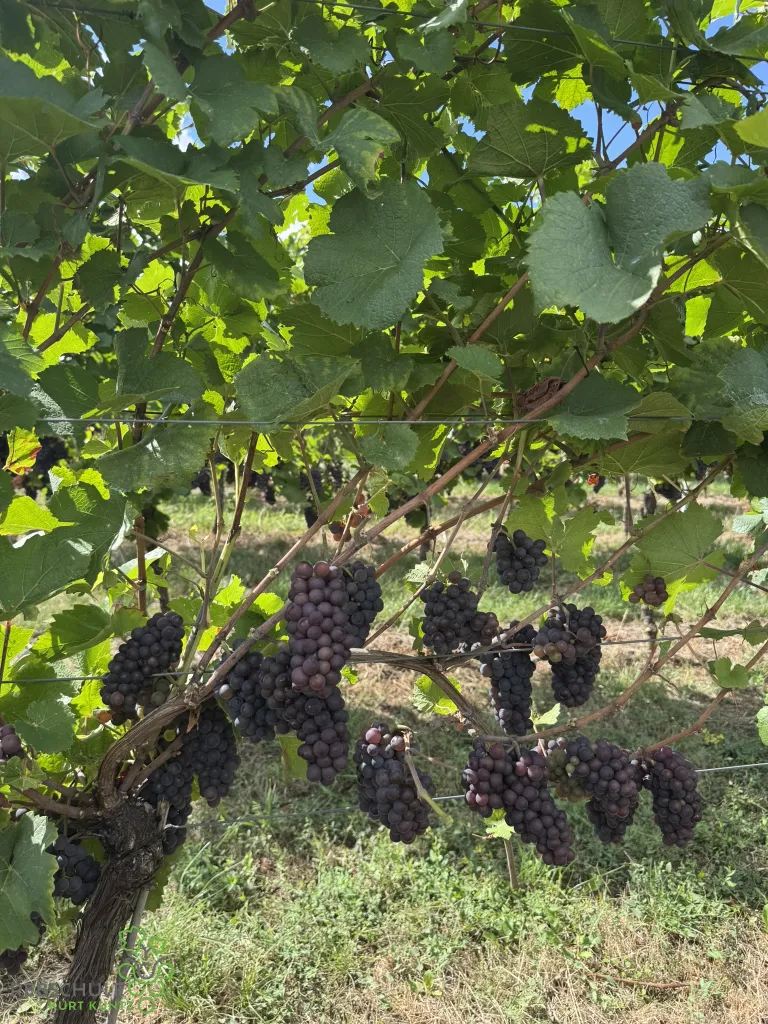
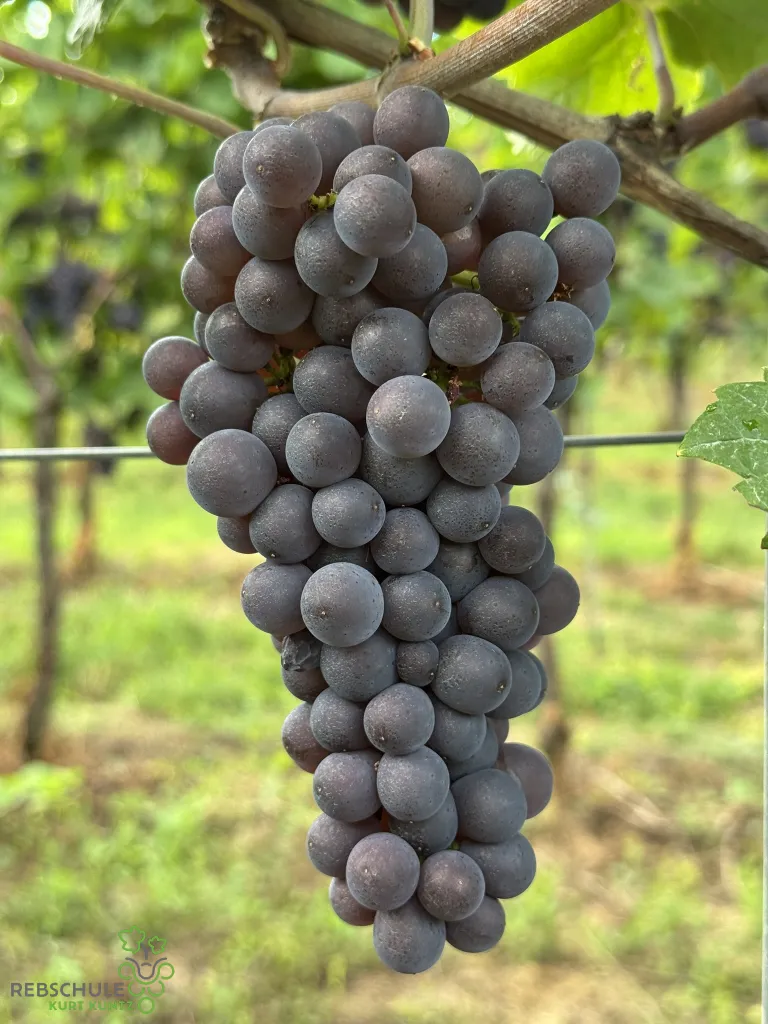
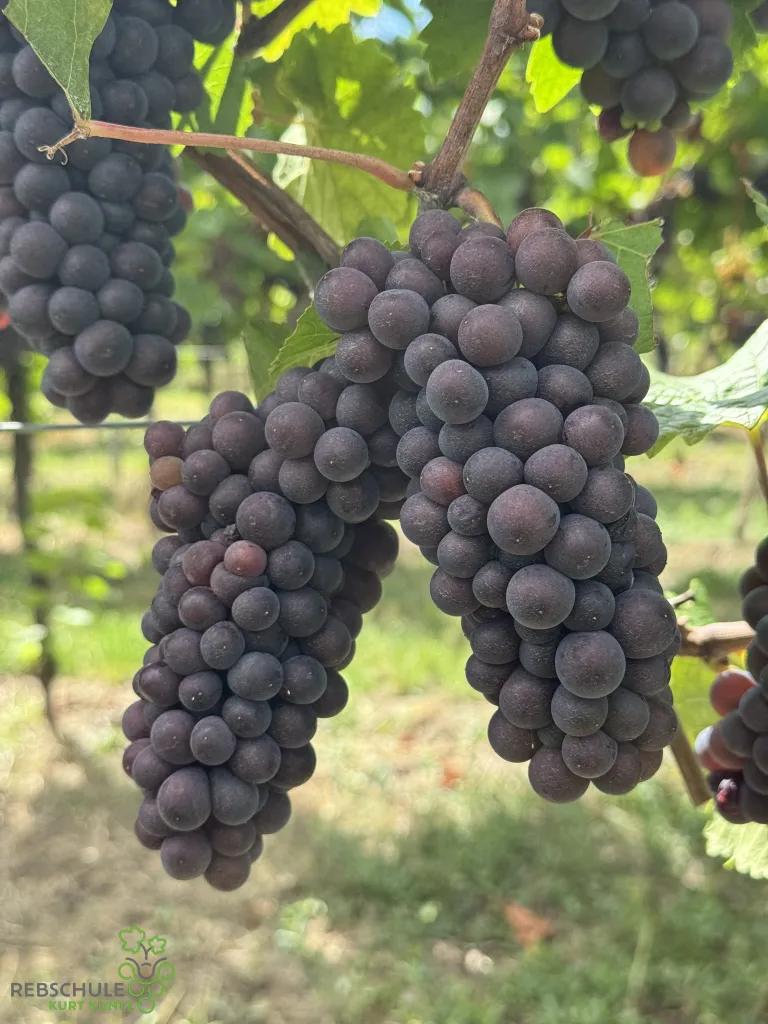
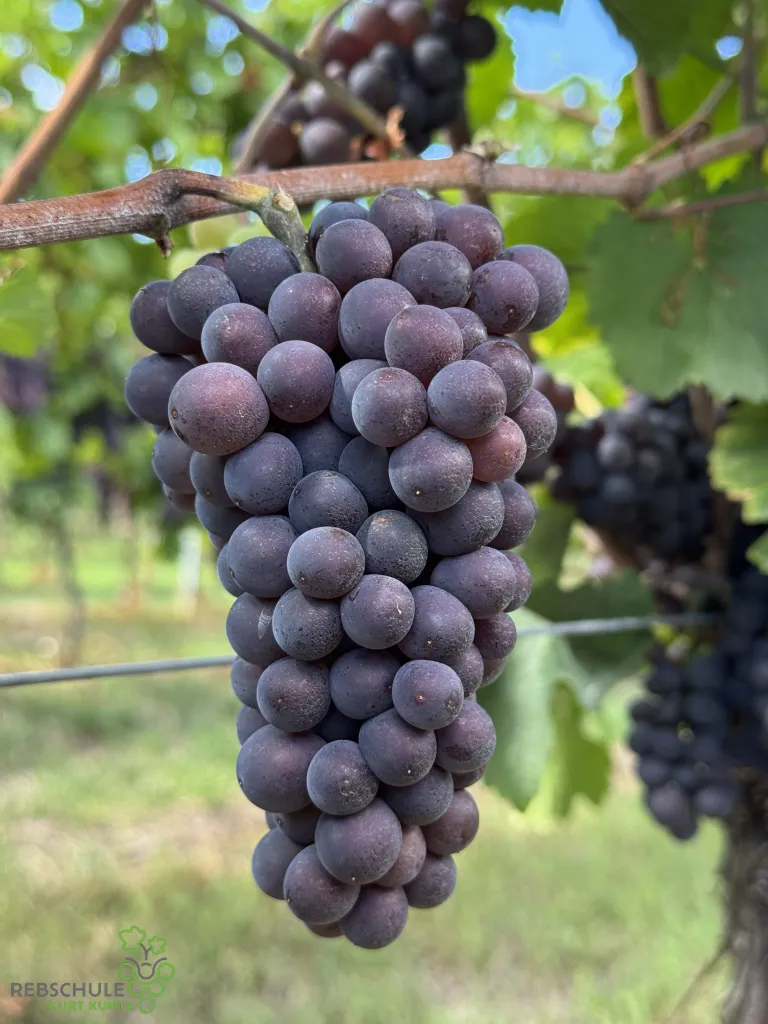
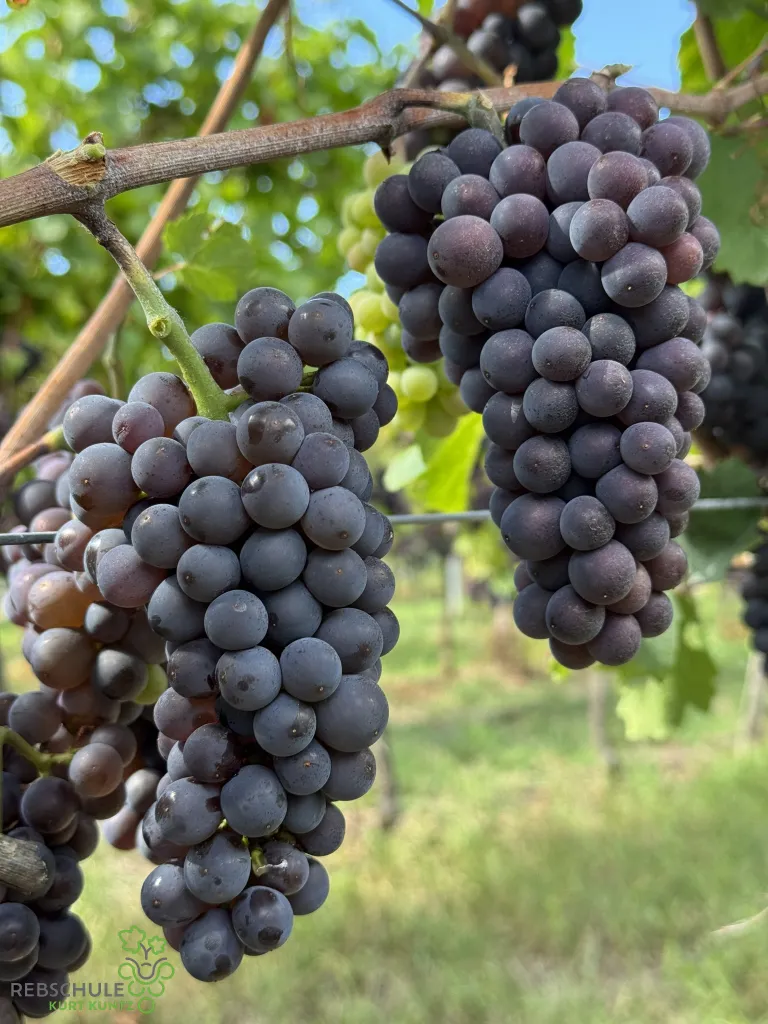
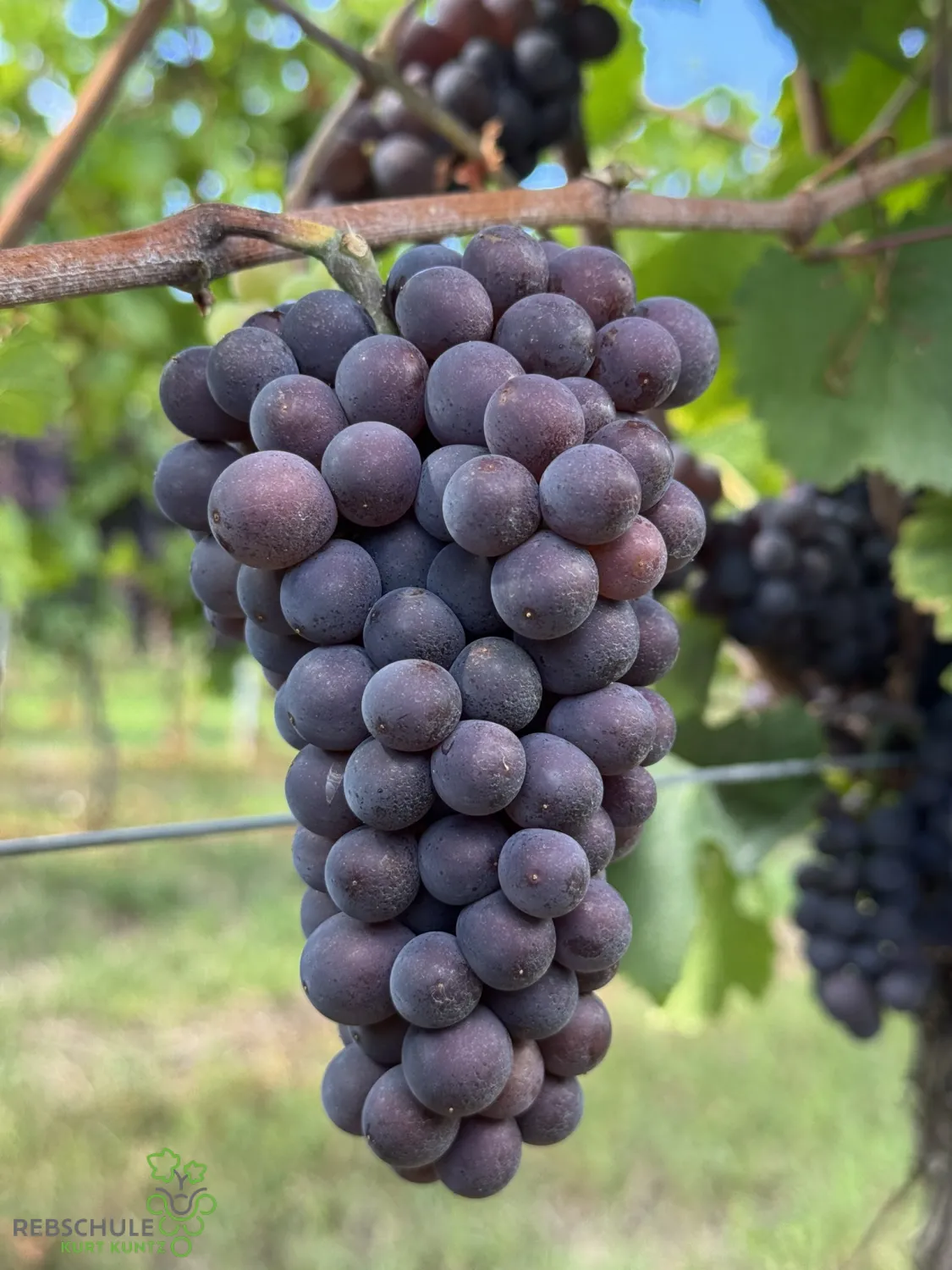
Typical of Pinot Gris are medium-sized, cylindrical to slightly shouldered bunches with a compact, tightly packed structure. The thin-skinned berries are round to slightly oval and develop a grey to reddish-brown colour as they ripen.

Pinot Gris clones

Geisenheim
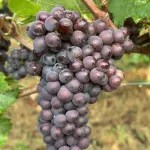
Pinot Gris Gm 1-31

Yield above averageBunches less compactBotrytis susceptibility low
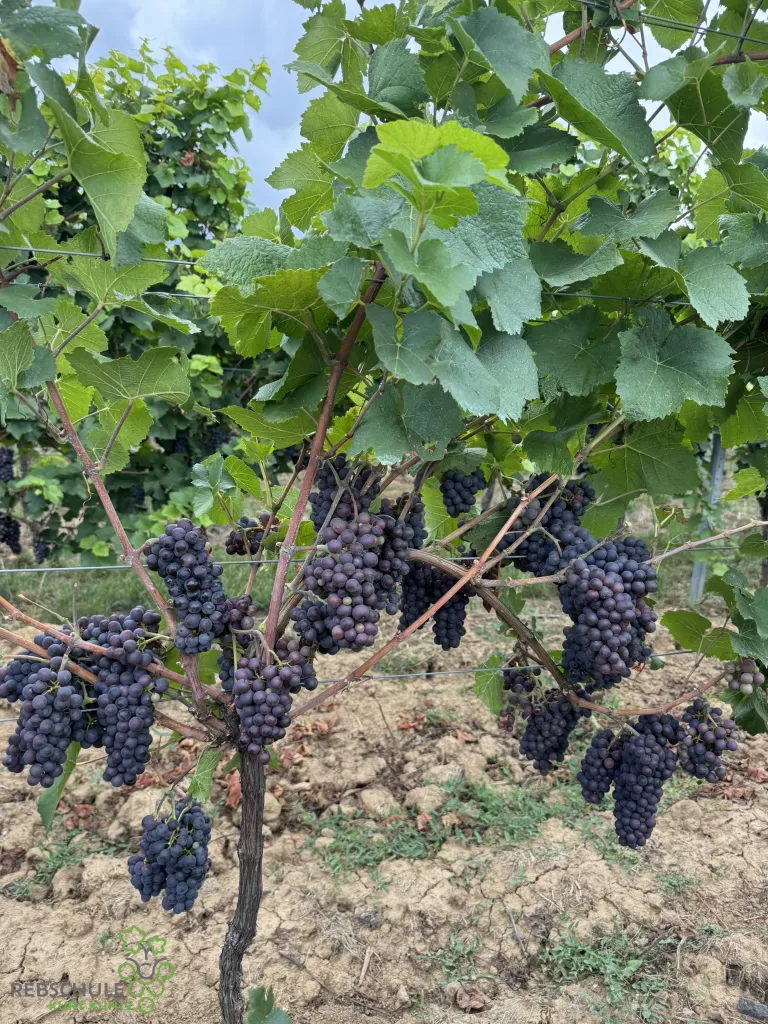
Pinot Gris Gm 1-31 – image 1
Pinot Gris Gm 1-31, vine 1
Pinot Gris clone Gm 1-31 grapes on the vine
Pinot Gris Gm-1-31 – vine image 2 – WZ
Pinot Gris Gm 1-31 – image 2
Pinot Gris Gm 1-31, vine 3
Pinot Gris Gm 1-31 – image 3
Pinot Gris Gm 1-31, vine 4
Pinot Gris clone Gm 1-31 – close-up of a grape
Pinot Gris Gm 1-31 Grape 1
Pinot Gris Gm 1-31 – image 4
Pinot Gris Gm 1-31 Grape 2
Pinot Gris Gm 1-31 – image 5
Pinot Gris Gm 1-31 Grape 3
  • less compact grape structure
  • Significantly lower susceptibility to botrytis and bunch rot compared to traditional, tight-clustered clones
  • good yield potential
  • medium to high must weight
  • belongs to the Pinot Gris clone group Gm 1-30. Clones Gm 1-31, Gm 1-32, and Gm 1-33 differ only slightly.

Pinot Gris Gm 1-32

Yield above averageBunches less compactBotrytis susceptibility low
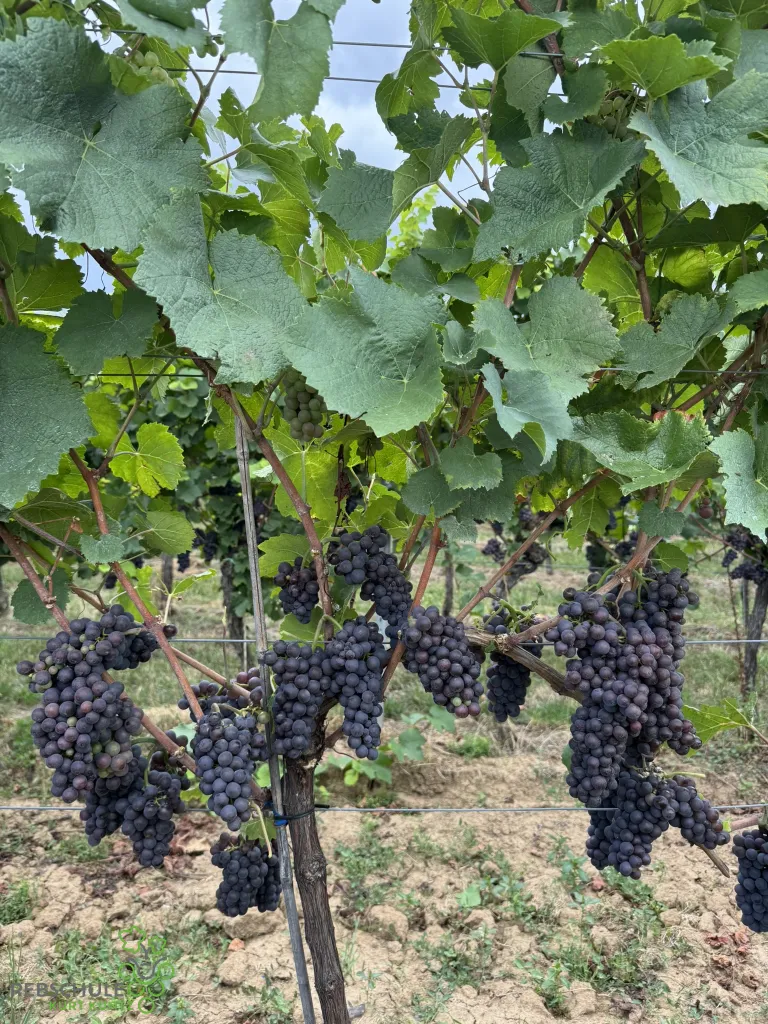
  • less compact grape structure
  • Significantly lower susceptibility to botrytis and bunch rot compared to traditional, tight-clustered clones
  • good yield potential
  • medium to high must weight
  • belongs to the Pinot Gris clone group Gm 1-30. Clones Gm 1-31, Gm 1-32, and Gm 1-33 differ only slightly.

Pinot Gris Gm 1-33

Yield above averageBunches less compactBotrytis susceptibility low
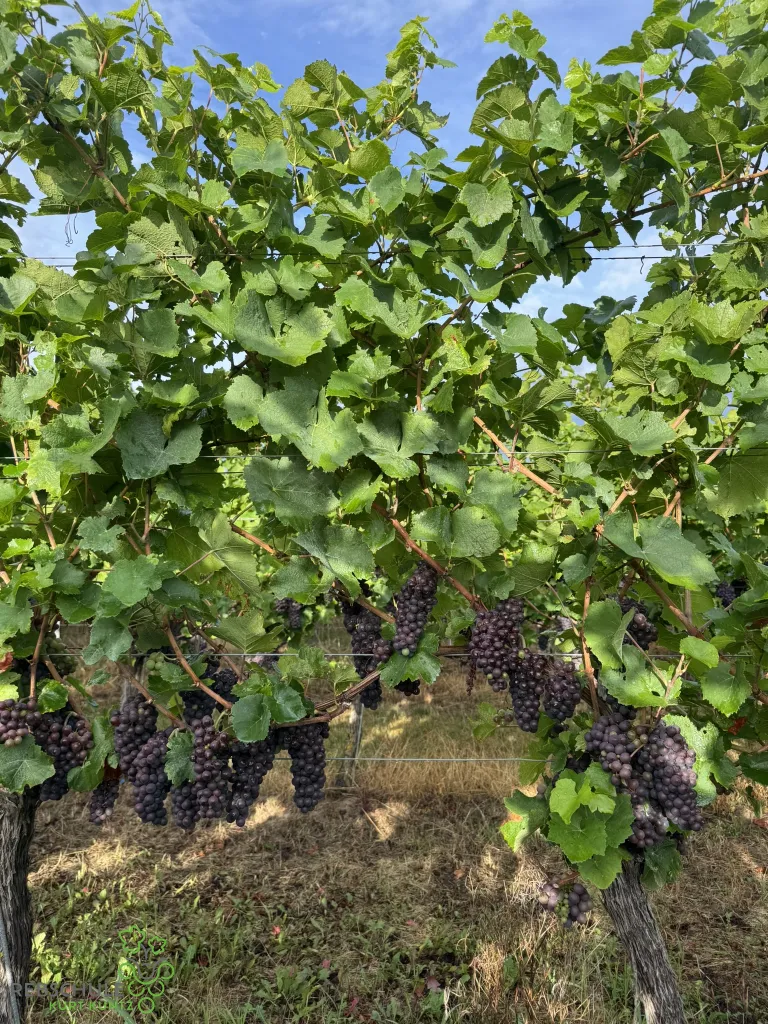
Pinot Gris clone Gm 1-33 grapes on the vine
Pinot Gris Gm 1-33, vine 1
Pinot Gris Gm 1-33 – image 1
Pinot Gris Gm 1-33, vine 2
Pinot Gris Gm 1-33 – image 2
Pinot Gris Gm 1-33, vine 3
  • less compact grape structure
  • Significantly lower susceptibility to botrytis and bunch rot compared to traditional, tight-clustered clones
  • good yield potential
  • medium to high must weight
  • belongs to the Pinot Gris clone group Gm 1-30. Clones Gm 1-31, Gm 1-32, and Gm 1-33 differ only slightly.
Pinot Gris Gm 27

Yield low - mediumBunches mixed berry sizeBotrytis susceptibility low
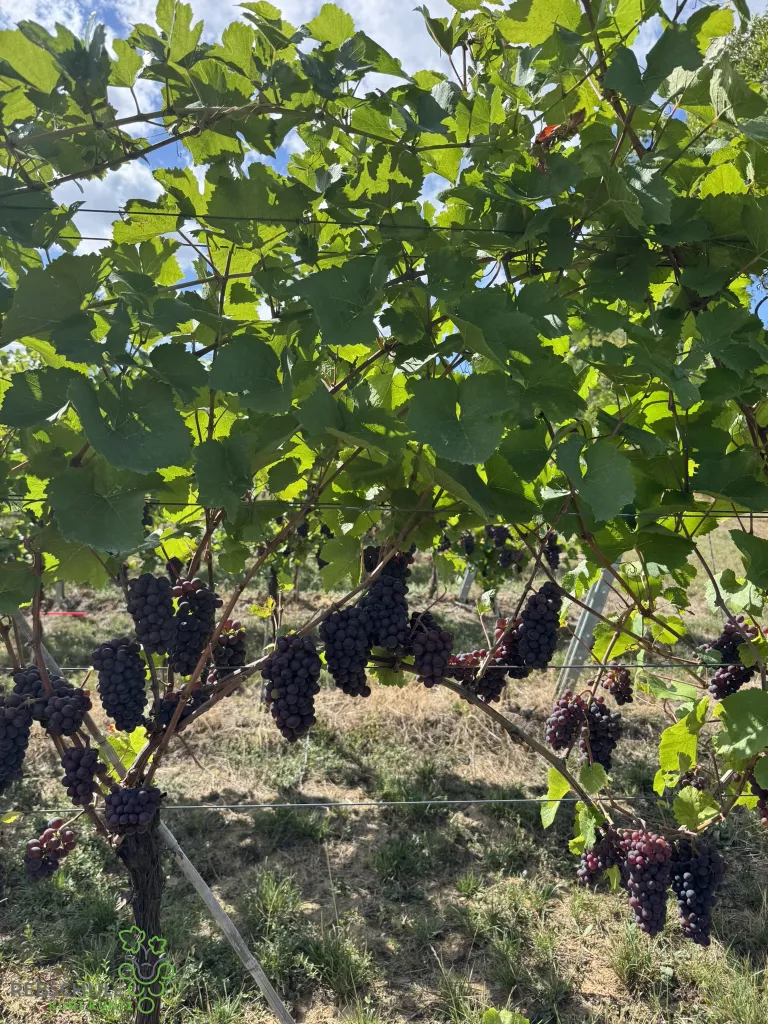
Pinot Gris clone Gm 27 grapes on the vine
Pinot Gris Gm 27 vine image 1
Pinot Gris Gm 27 – image 1
Pinot Gris Gm 27, vine image 2
Pinot Gris Gm 27 – image 2
Pinot Gris Gm 27, vine image 3
Pinot Gris clone Gm 27 – close-up of the grapes
Pinot Gris Gm 27 Grape 1
Pinot Gris Gm 27 – image 3
Pinot Gris Gm 27 Grape 2
Pinot Gris Gm 27 – image 4
Pinot Gris Gm 27 Grape 3
Pinot Gris Gm 27 – image 5
Pinot Gris Gm 27 Grape 4
Pinot Gris Gm 27 – image 6
Pinot Gris Gm 27 Grape 5
  • premium clone
  • a certain influence of flowering weather conditions on loose, mixed berry formation

San Michele all’Adige

Pinot Gris SMA 505

Yield mediumBunches mixed berry sizeBotrytis susceptibility low
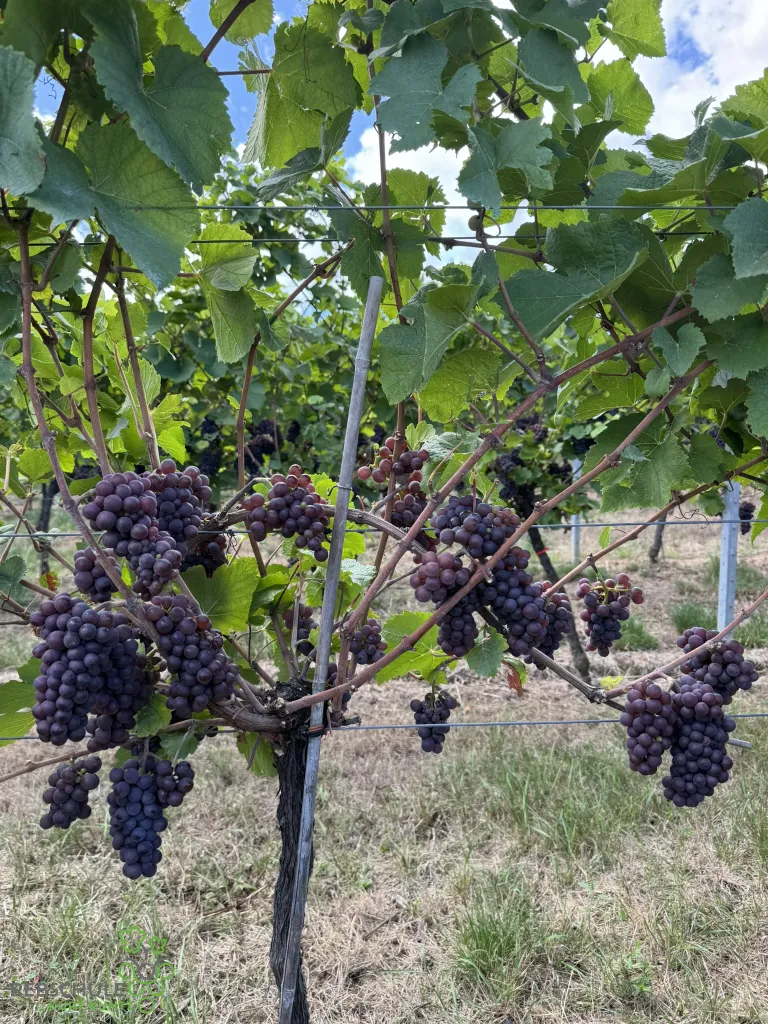
Pinot Gris clone SMA 505 grapes on the vine
Pinot Gris SMA 505, vine 1
Pinot Gris SMA 505 – image 1
Pinot Gris SMA 505, vine 2
Pinot Gris SMA 505 – image 2
Pinot Gris SMA 505, vine 3
Pinot Gris clone SMA 505 – close-up of a grape
Pinot Gris SMA 505 Grape 1
Pinot Gris SMA 505 – image 3
Pinot Gris SMA 505 Grape 2
Pinot Gris SMA 505 – image 4
Pinot Gris SMA 505 Grape 3
Pinot Gris SMA 505 – image 5
Pinot Gris SMA 505 Grape 4
  • Yield and berry density vary depending on weather conditions during flowering. SMA 505 is more prone to coulure than SMA 514.

Pinot Gris SMA 514

Yield mediumBunches mixed berry sizeBotrytis susceptibility low
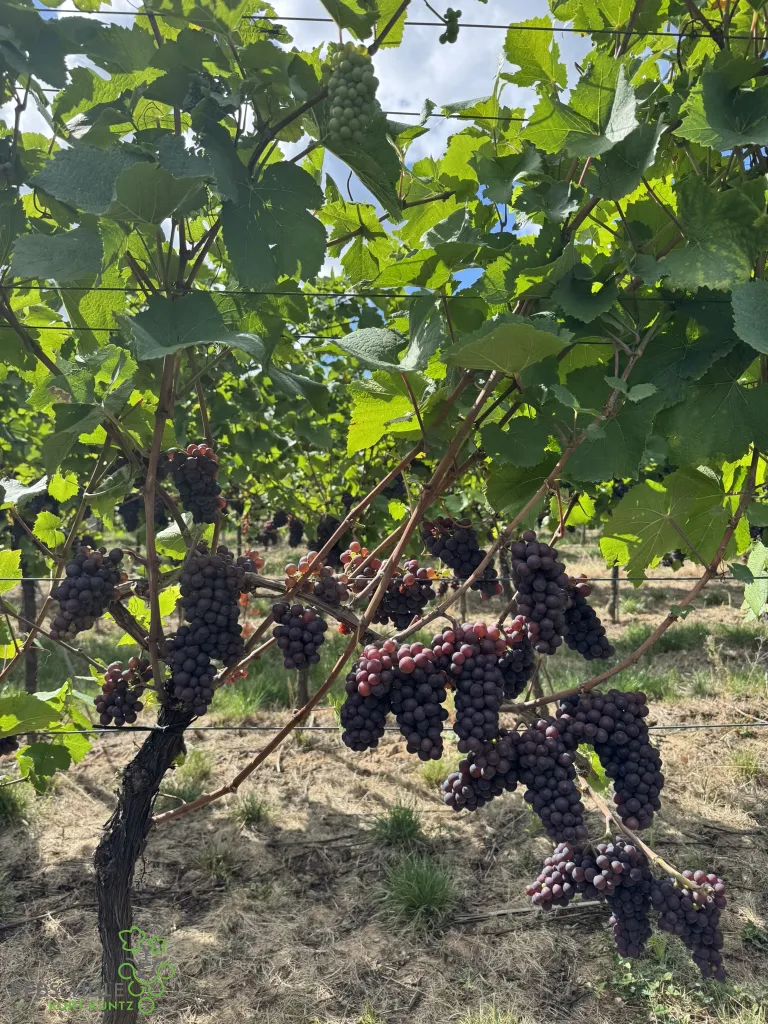
  • Yield and berry density vary depending on weather conditions during flowering. SMA 514 is less prone to coulure than SMA 505.