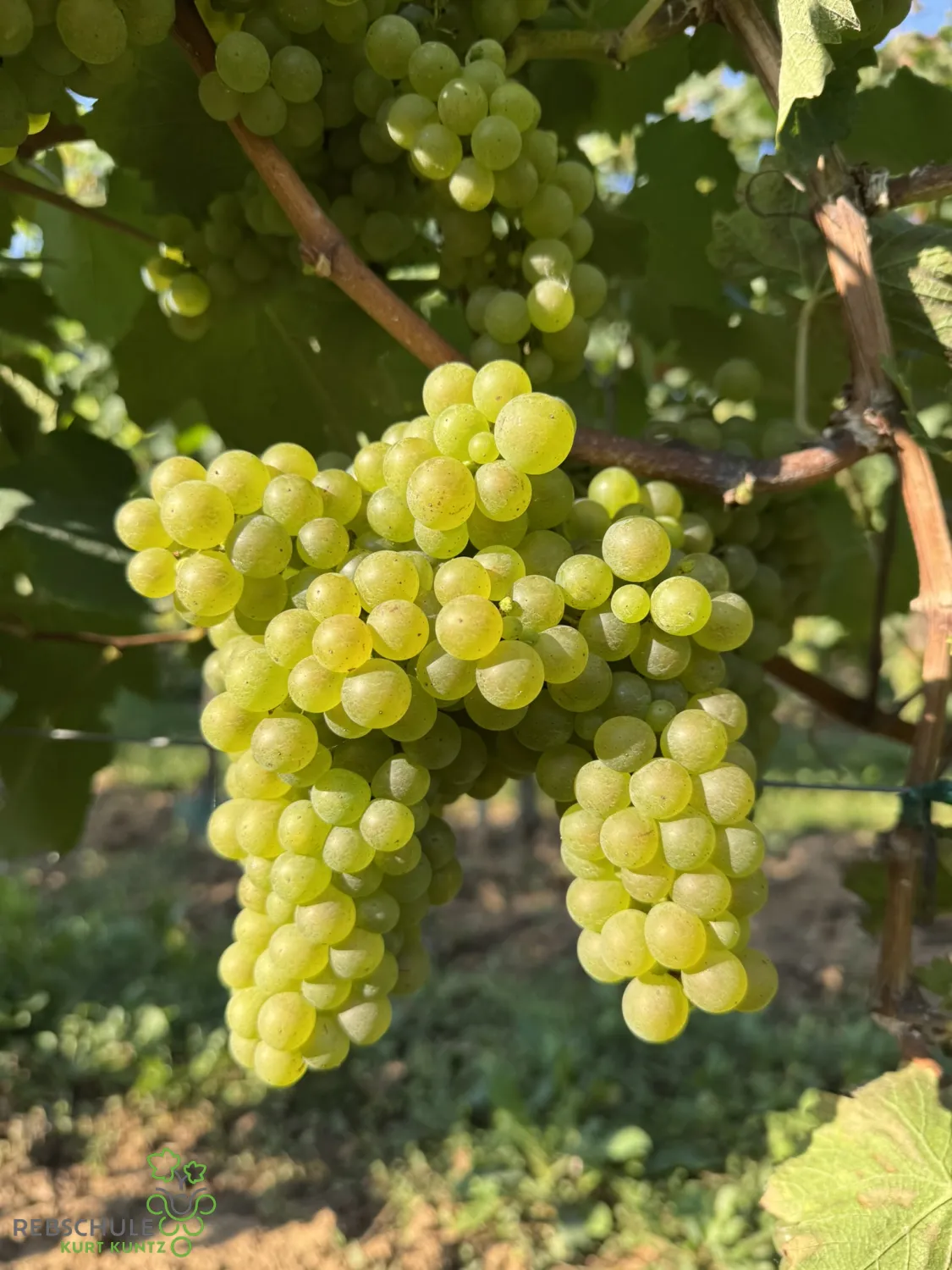
Chardonnay
Crossing
Pinot x Gouais Blanc (Heunisch)
Origin
Burgundy is recognised as the geographical origin of Chardonnay. Genetic analyses confirm that the cultivar originated from a natural cross between Pinot and Gouais Blanc (Weißer Heunisch). The cultivar owes its name to the Burgundian village of Chardonnay. For a long period, Chardonnay was confused with Pinot Blanc or regarded merely as one of its sub-varieties. In 1872, the name Chardonnay was formally established as an independent cultivar designation at a viticultural exposition in Lyon to clearly differentiate the grapevine from other Pinot variants.
Characteristics
- early budburst
- mid-to-late ripening
- susceptible to late spring frosts
- slight susceptibility to coulure
- increased susceptibility to Botrytis
- thin berry skin
Site requirements
Chardonnay performs exceptionally well on deep, calcareous soils with a reliable water supply. Such sites promote a slow, uniform ripening process, imparting freshness, a well-integrated acid structure, and fine mineral expression to the wines. Conversely, damp, poorly drained soils or those low in lime are unsuitable, as they can compromise grape quality and the elegance of the finished wine.
Aromas
Chardonnay is not inherently a primary aromatic cultivar; rather, its profile is strongly governed by terroir, maturity at harvest, and vinification method. As ripeness progresses, it achieves high extract levels and pronounced mid-palate weight. Barrique maturation combined with regular lees stirring (batonnage) imparts texture, complexity, and structural integrity. The resulting aromatic spectrum features notes of brioche, hazelnut, vanilla, ripe apple, and apricot, framed by delicate toasted nuances.
By contrast, stainless steel-fermented Chardonnays present a fresher, more linear profile. They offer vibrant acidity paired with fruit descriptors of green apple, lemon, pineapple, and honeydew melon. Because early-harvested Chardonnay can easily appear overly lean and green, site selection and full physiological maturity at harvest are of paramount importance.
Bunch
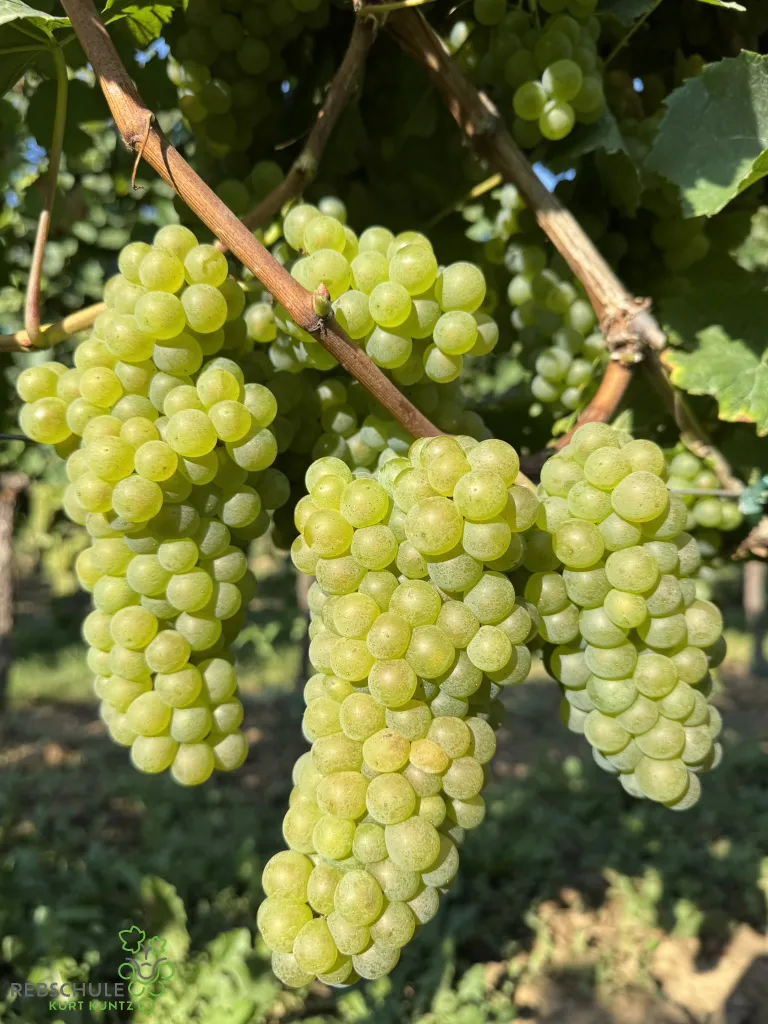
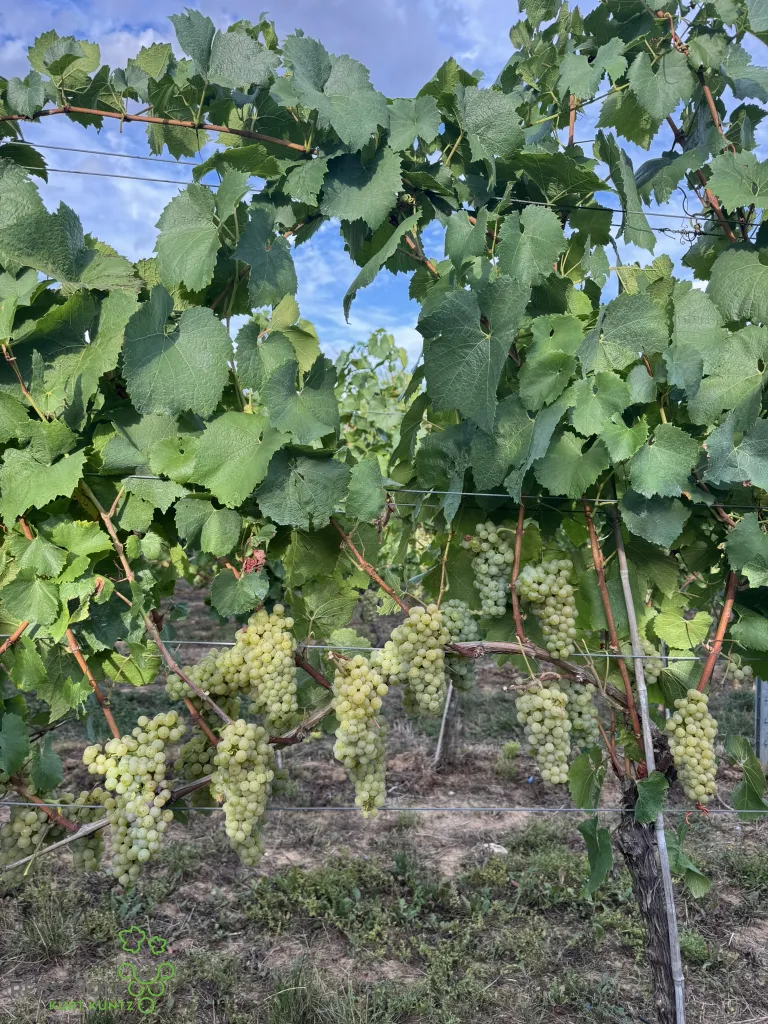
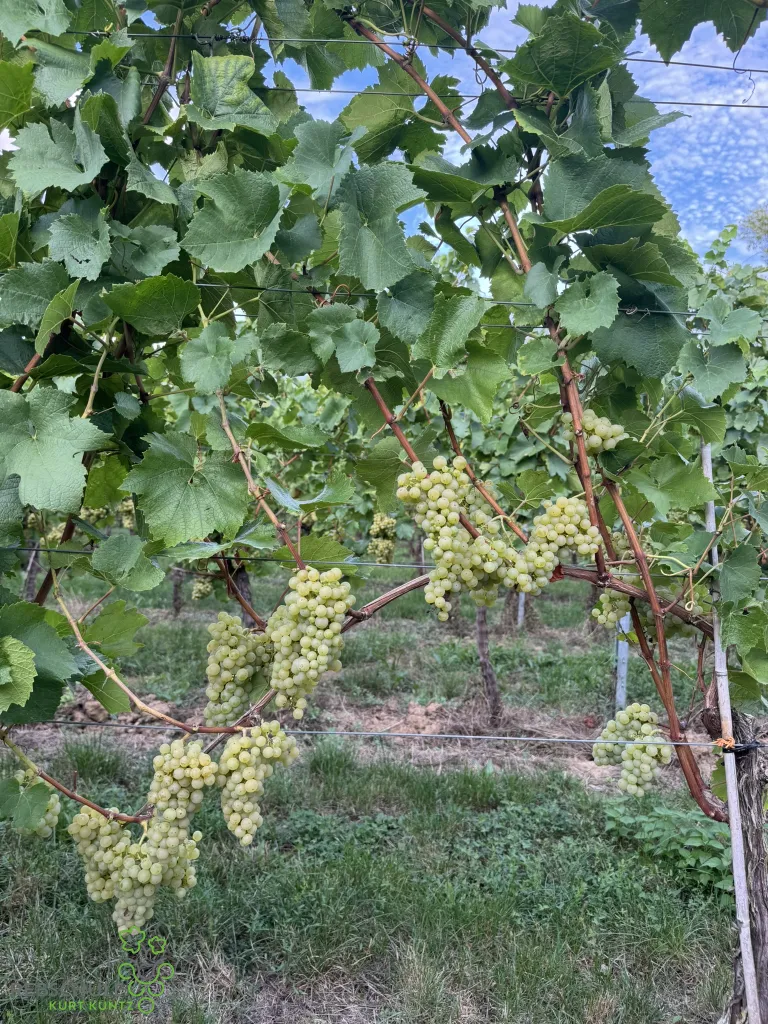
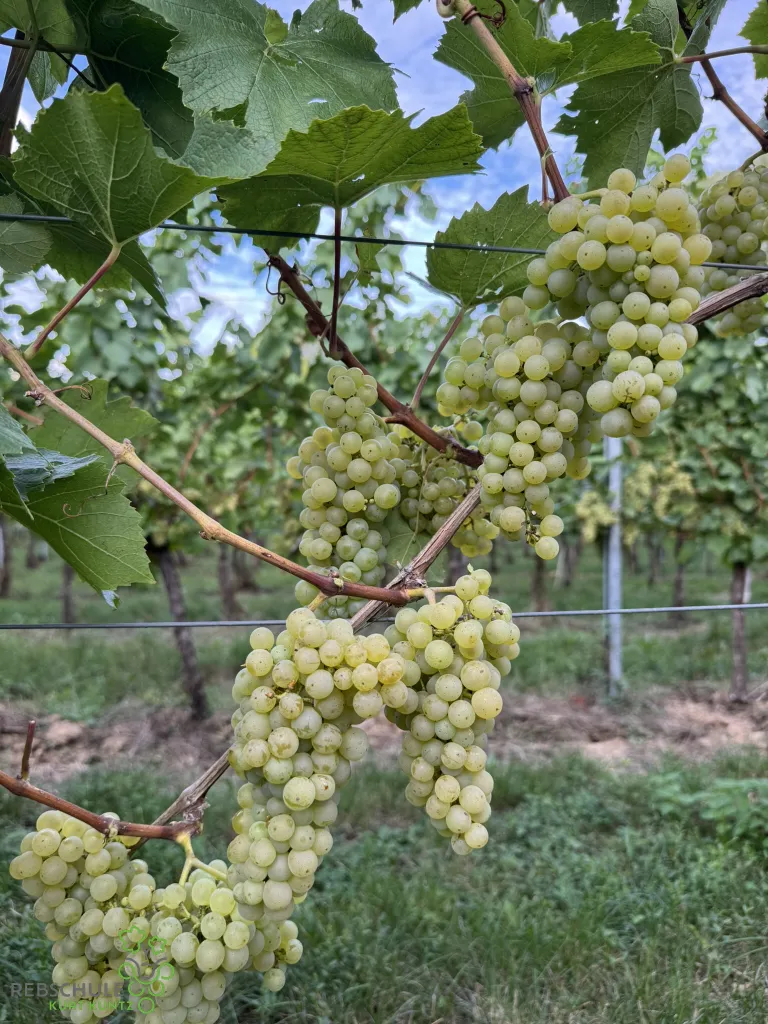
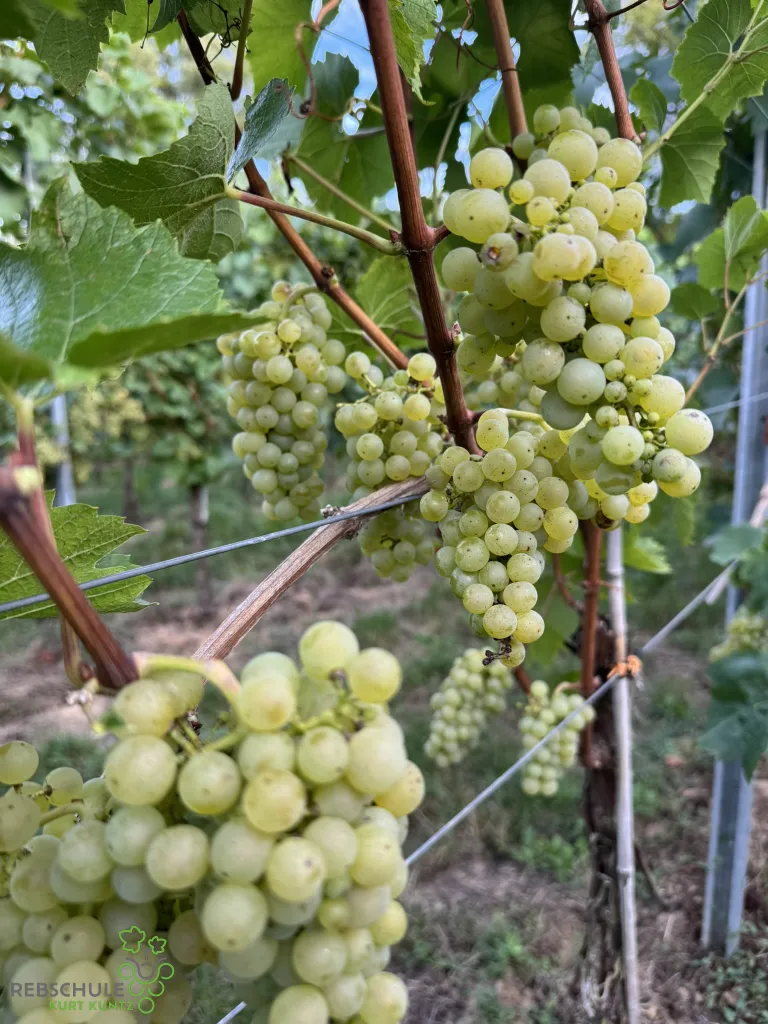
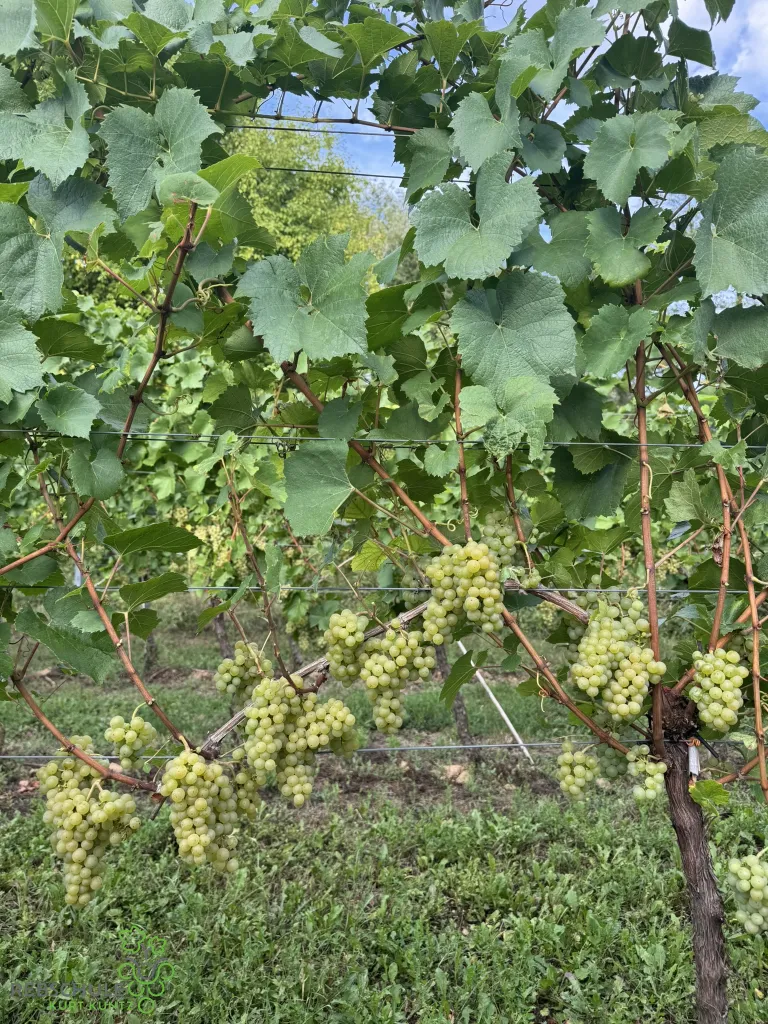
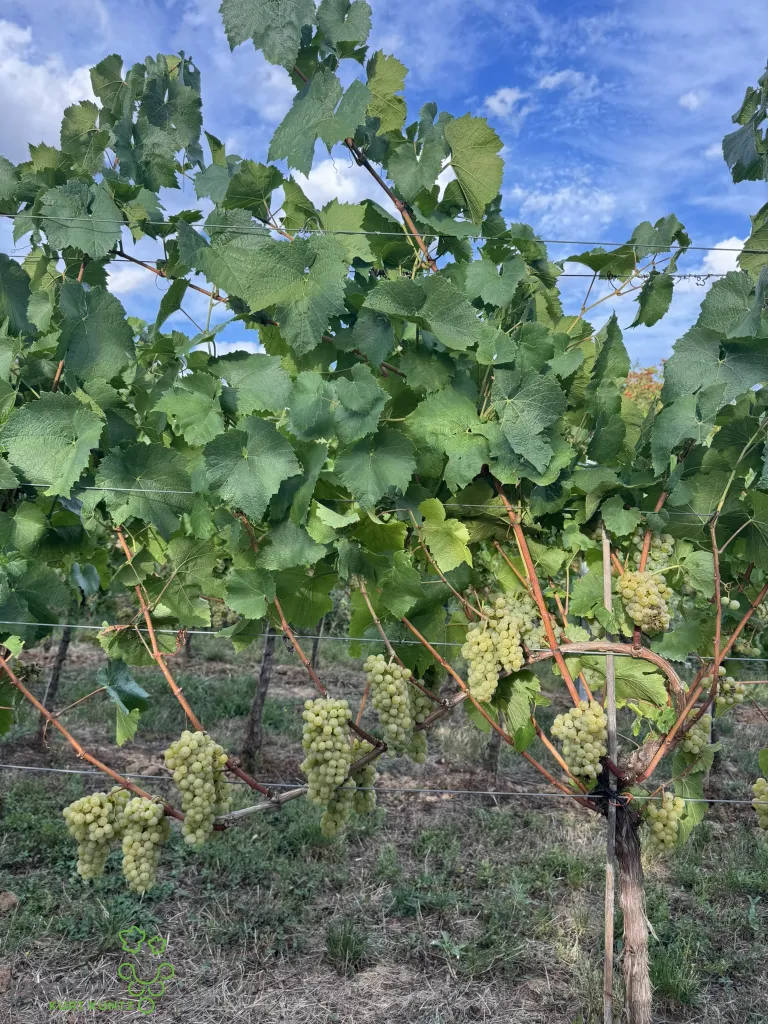
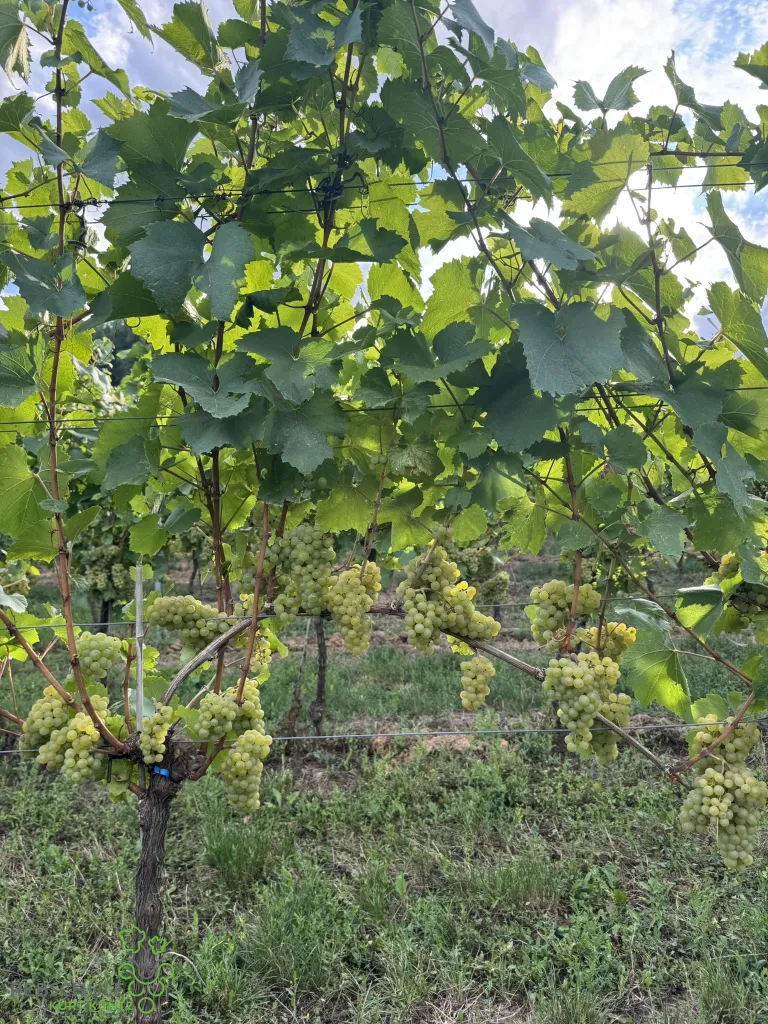
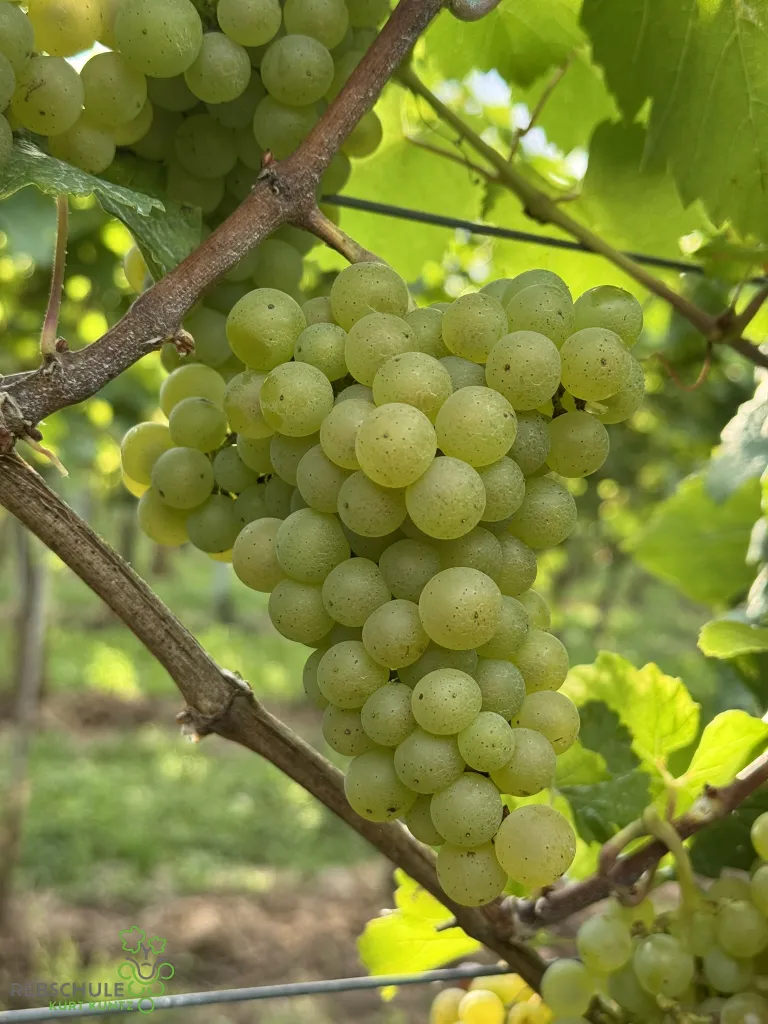
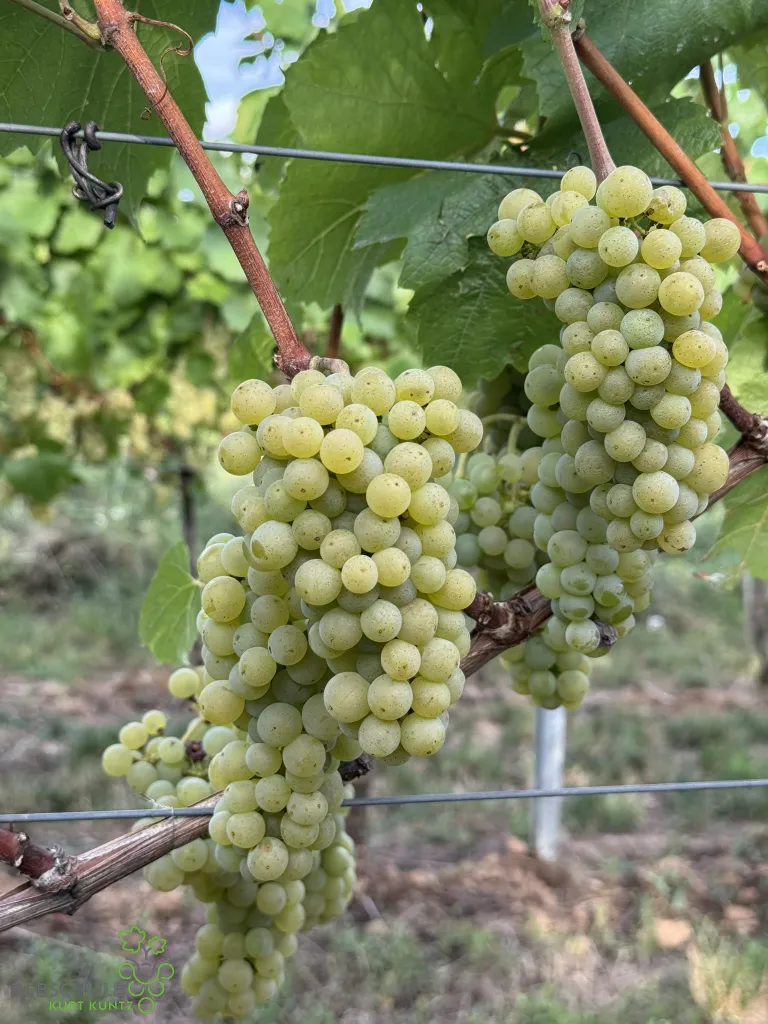
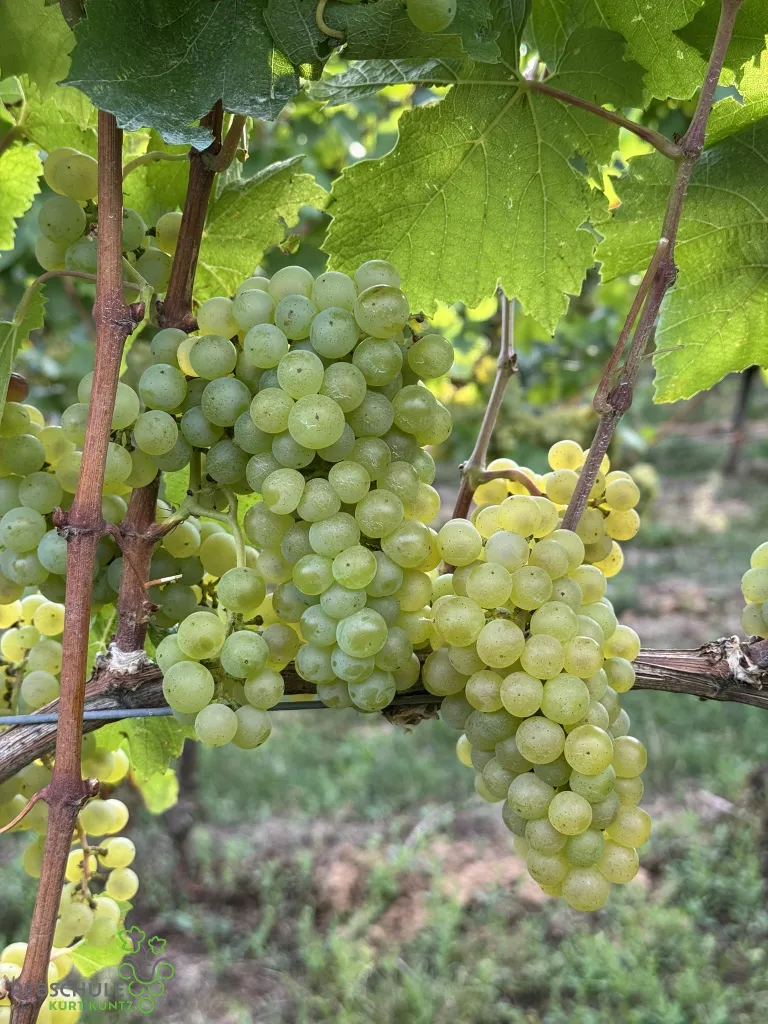
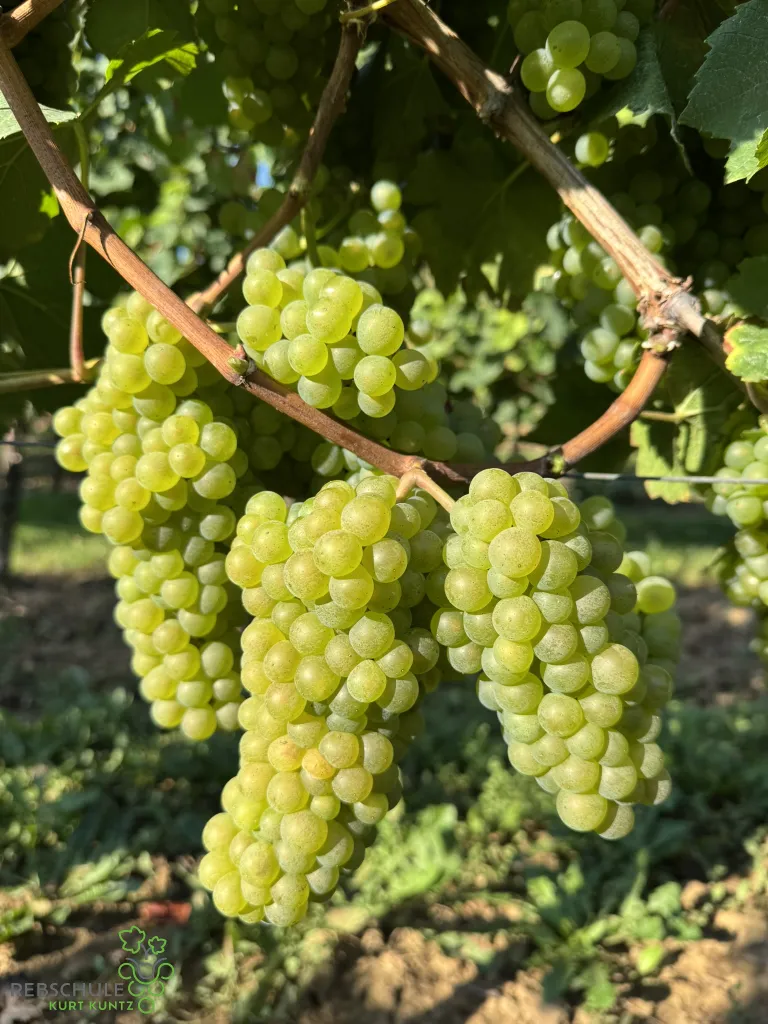
Chardonnay clusters are characteristically medium-sized, cylindrical, and predominantly tightly packed, rarely forming shoulders. The berries are round to slightly oval, thin-skinned, and feature soft, juicy flesh. During ripening, their colour shifts from green-yellow to golden-yellow, ultimately taking on an amber hue at full maturity.
Links/Downloads
Chardonnay clones
France
Chardonnay ENTAV-INRA 95
Yield moderate to elevatedBunches compactBotrytis susceptibility medium
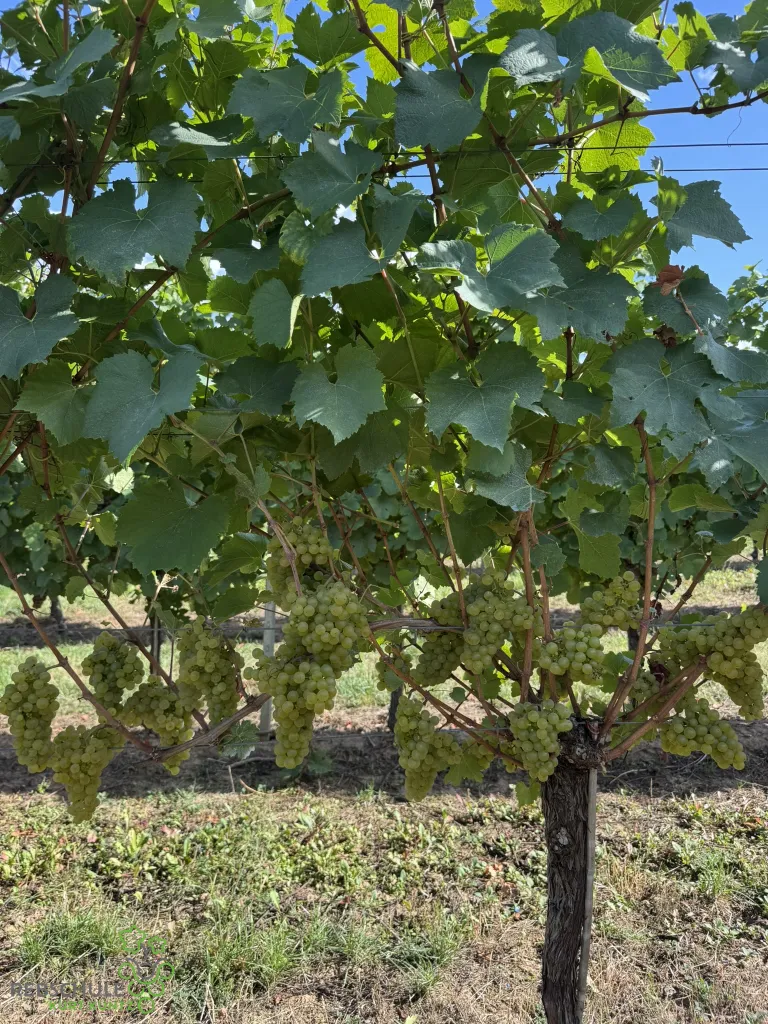
Chardonnay ENTAV-INRA 548
Yield lowBunches less compactBotrytis susceptibility low
- Dijon selection
- exhibits a tendency towards coulure, resulting in small, loose-structured clusters with small berries
- high bunch rot tolerance due to loose cluster architecture
- earlier maturation compared to Chardonnay clone 95, combined with high sugar accumulation potential
- suitable for cooler sites where full maturation is typically difficult to achieve
Freiburg

Chardonnay FR 155
Yield lowBunches moderately loose to compactBotrytis susceptibility low


- An aromatic clone (Musqué type) exhibiting the highest aromatic intensity among Chardonnay aromatic selections, characterized by distinct Muscat-like nuances.
Geisenheim

Chardonnay Gm 616
Yield low - mediumBunches compactBotrytis susceptibility medium
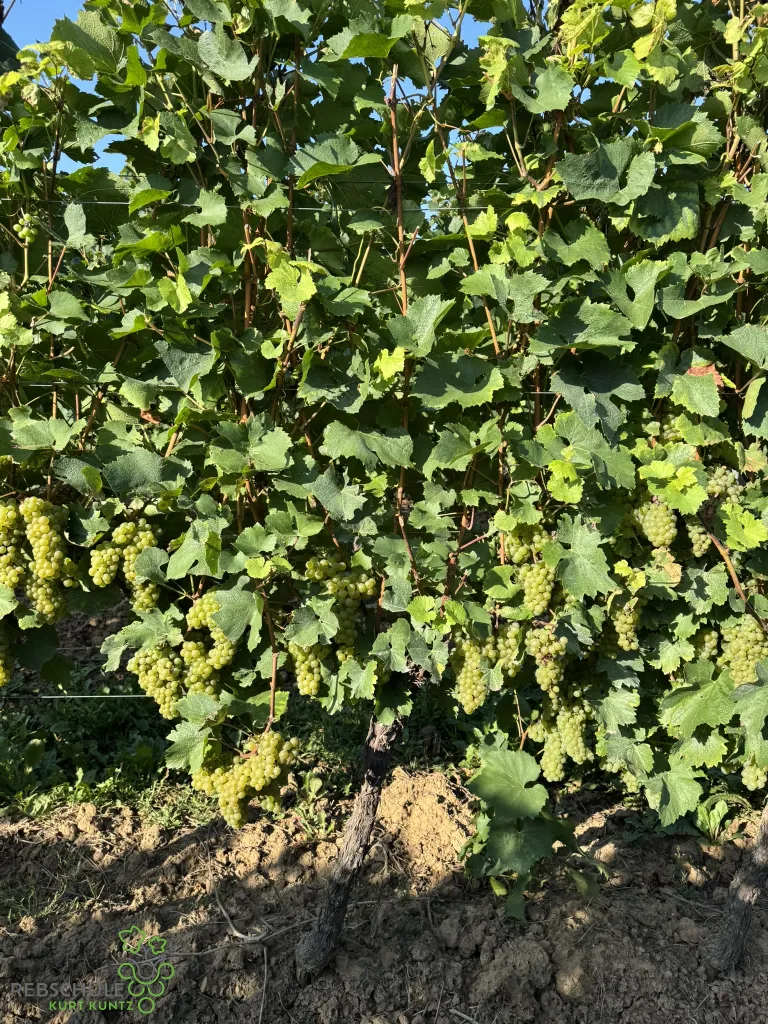
Dreher
Chardonnay Dr 263
Yield mediumBunches compactBotrytis susceptibility medium
- Burgundy clone