Gewurztraminer

Crossing
Aromatic mutation within the Savagnin/Traminer family
Synonyms: Gewürztraminer, Clevner, Klevner, Traminer Aromatico, Savagnin Rose Aromatique
Origin
Gewurztraminer belongs to the ancient Traminer (or Savagnin) family. Modern DNA profiling has demonstrated that the cultivar known in France as Savagnin Blanc and in German-speaking regions as White Traminer is closely linked genetically to Gewurztraminer and Savagnin Rose. These distinct selections differ primarily in berry skin coloration and aromatic expression, originating from natural somatic mutations within this ancient grapevine lineage.
Savagnin Blanc features greenish-yellow berries and a comparatively understated aromatic profile. From this baseline, a spontaneous mutation gave rise to the pink- to reddish-berried Savagnin Rose. Gewurztraminer represents an intensely aromatic selection within this Traminer group; genetic profiling indicates that Gewurztraminer and Savagnin Rose are clonal variants of the same original mother vine. The intense spice and pronounced floral bouquet characteristic of Gewurztraminer stem directly from differences in the biosynthesis and accumulation of key aromatic terpene compounds.
The precise geographical origin and evolutionary history of the Traminer family remain partially obscure. The name Traminer derives from the South Tyrolean wine-growing village of Tramin (Termeno), where wine production under this name is historically documented as early as the 11th century.
Characteristics
- early budburst
- late ripening
- susceptible to coulure
- susceptible to late spring frosts
- susceptible to lime-induced chlorosis
- dense canopy structure
Site requirements
Gewurztraminer demands carefully selected vineyard sites and soils. To mitigate its strong tendency toward coulure, it requires warm, wind-sheltered exposures. The cultivar performs best on deep, fertile soils with a reliable water supply that heat up quickly and provide good drainage. Due to its early budburst, there is an increased risk of late spring frost damage. Furthermore, Gewurztraminer is highly susceptible to iron-deficiency chlorosis, rendering it ill-suited to highly calcareous soils.
Aromas
Gewurztraminer is ranked among the world’s most intensely aromatic grape cultivars, distinguished by its unmistakable floral bouquet. The sensory profile is dominated by classic varietal aromatics of rose petal and lychee, enriched by passion fruit, quince, exotic fruits, honey, and warming spices. Ranging in style from delicate and floral to rich and opulent, the wines are typically full-bodied with a low-acid profile and elevated potential alcohol. Gewurztraminer displays excellent oenological flexibility, excelling in dry, aromatic table wine styles as well as luscious noble sweet wines.
Bunch
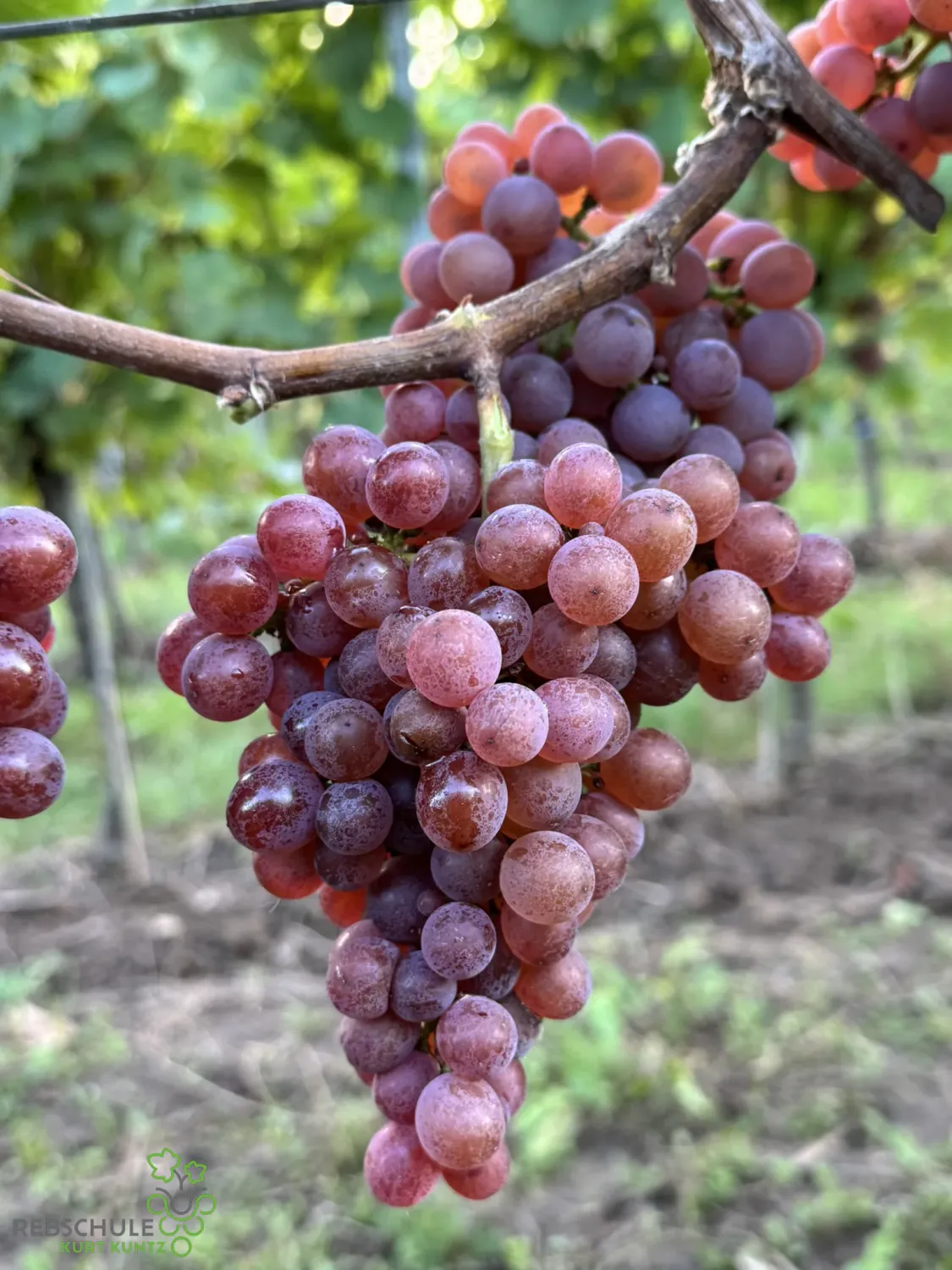
Gewurztraminer produces small to medium-sized, short-stalked, compact clusters. The berries are small, spherical to slightly elongated, featuring thick skins and developing a distinct pinkish-red to brownish-red coloration upon full maturity.
Gewurztraminer clones
Freiburg

Gewurztraminer Fr 46-106
Yield mediumBunches compactBotrytis susceptibility medium
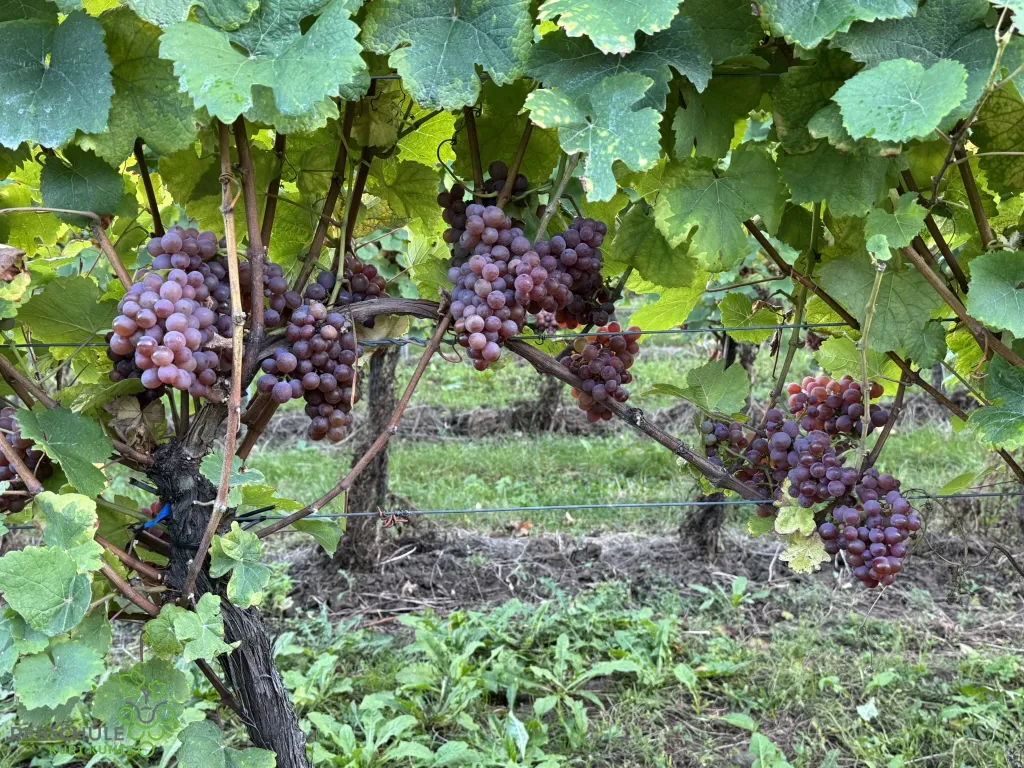
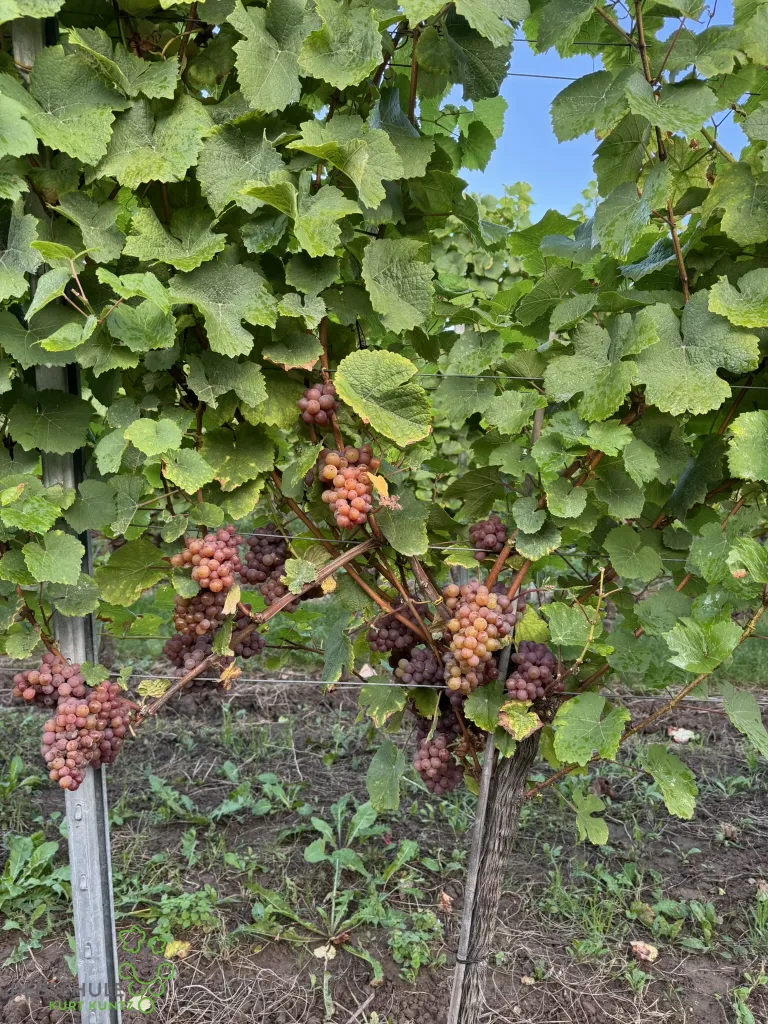
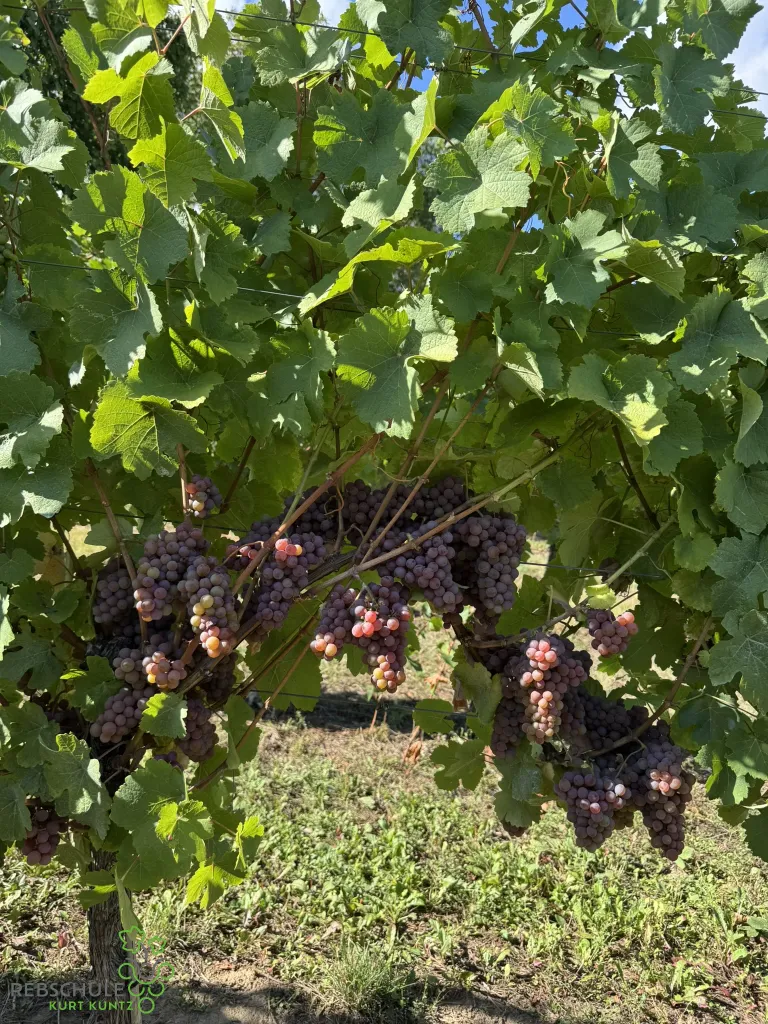
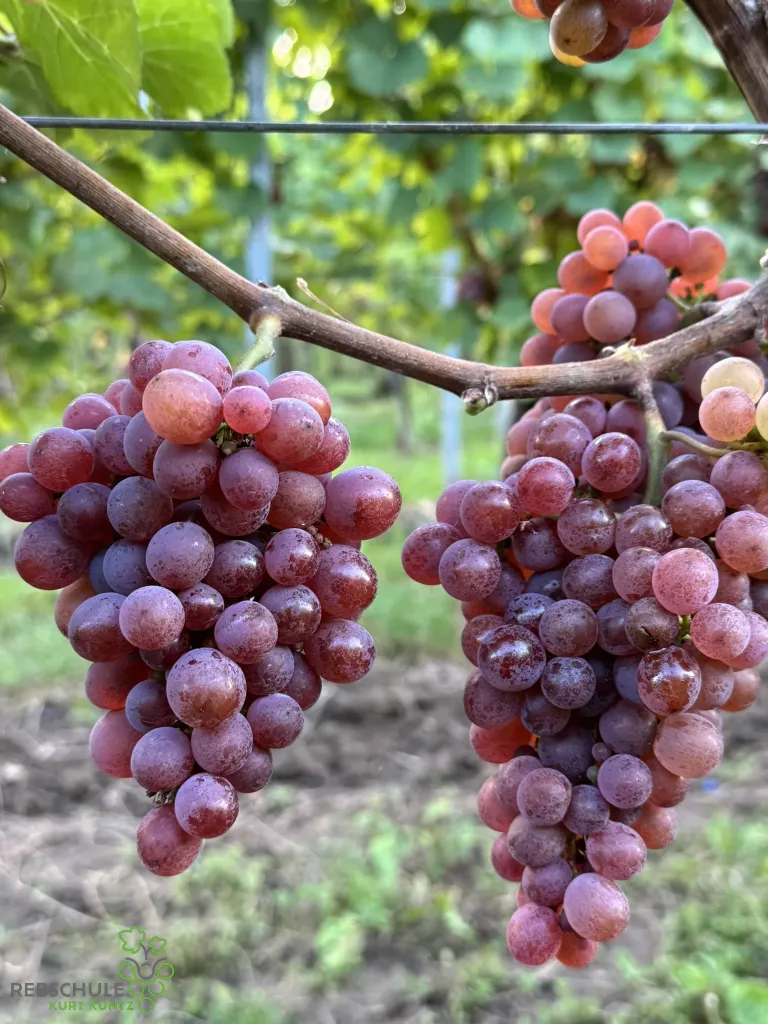


- Intensely aromatic Gewurztraminer clone with varietally authentic aromatics